CICC’s approval to absorb two smaller state-owned brokerages is the clearest sign yet that Beijing is moving from rhetoric to execution in its campaign to build bigger, more competitive investment banks.
CICC approval for broker merger
The merger would create a brokerage with more than 1.25 trillion yuan, or about $186 billion, in total assets, giving CICC greater scale at a time when China wants its securities firms to better match global rivals in capital, underwriting and deal-making capacity. For investors, the message is straightforward: the winning brokerages in China are increasingly the ones with state backing, deeper balance sheets and the ability to be rolled up into national champions.
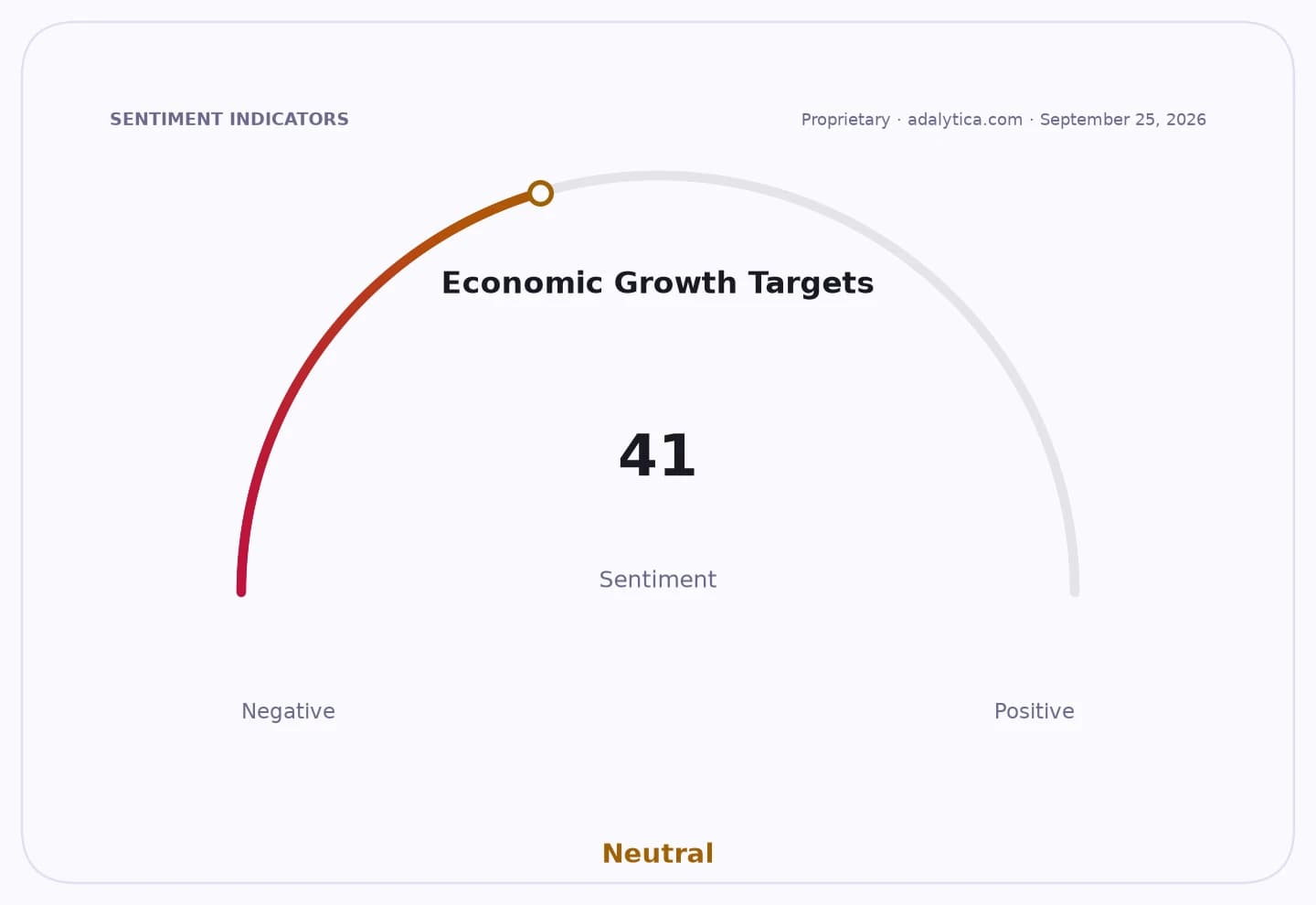
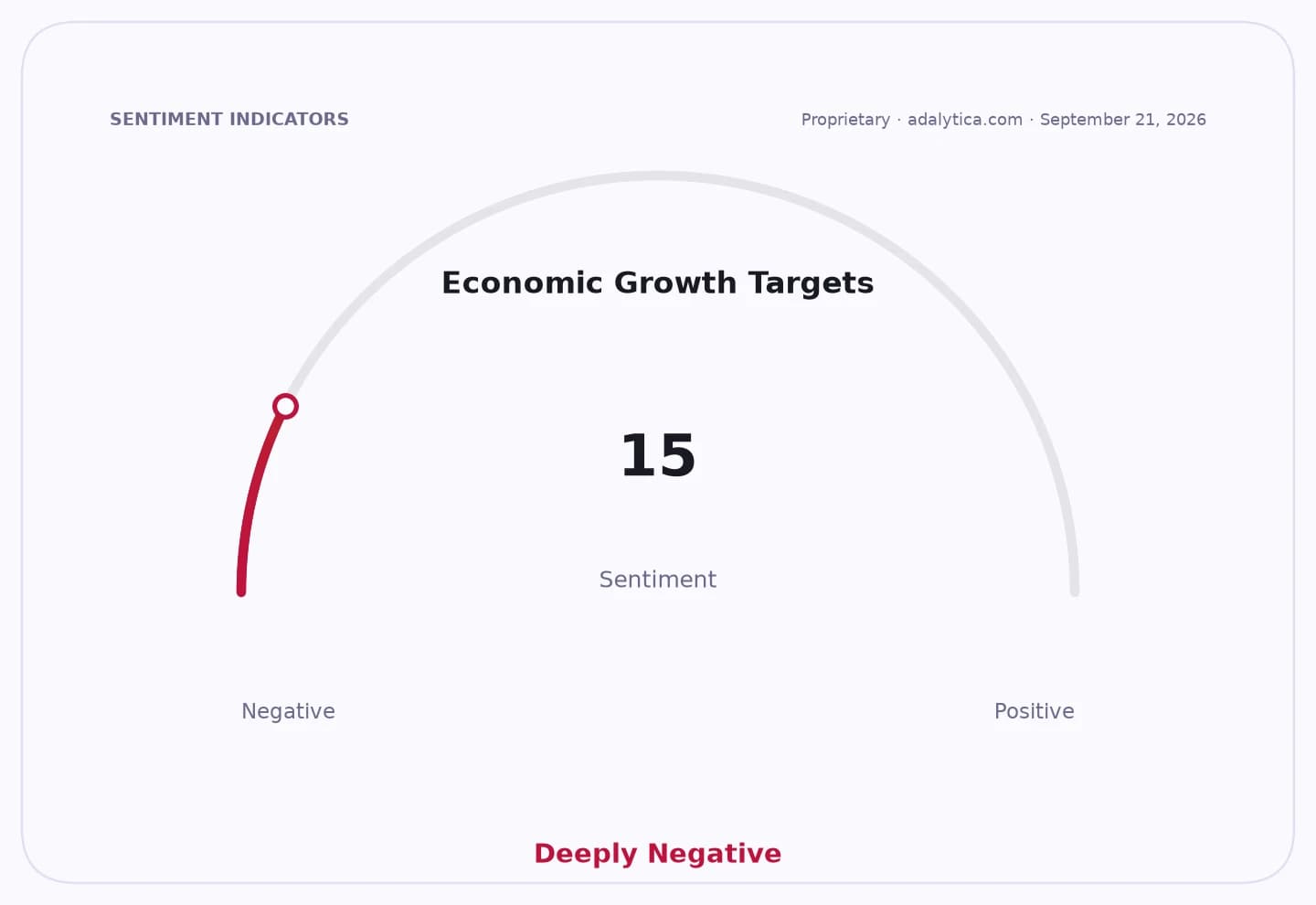
Sentiment IndicatorsⓘProprietary · adalytica.com · September 9, 2026
This is a snapshot — live sentiment, awareness and momentum for 130+ markets update continuously in the dashboard.Open AlphaPulse
That matters economically because China’s financial sector is still highly fragmented, and fragmentation limits profitability, risk management and international reach. Bigger brokerages can carry more capital, absorb volatility and support the kind of equity and debt financing Beijing wants as it tries to stabilize growth and keep domestic markets functioning. Consolidation also tends to favor institutions with privileged policy access, while weaker firms risk becoming acquisition targets or drifting into irrelevance.
CICC’s own share price has reflected the market’s wait-and-see mood rather than euphoria. The stock has been trading around HK$24.70, essentially flat near its 50-day moving average, with momentum indicators showing only tentative improvement. That tells you investors have not fully priced in the earnings power and strategic value that can come from a much larger balance sheet and a broader underwriting platform.
The policy backdrop is what makes this more than a one-off deal. Beijing has been pressing for years to create a handful of large, globally competitive brokers and banks, echoing the logic of consolidation that has already reshaped other strategic industries in China. In a market where access, scale and capital are becoming more important than pure transaction volume, that favors state-aligned firms with room to absorb peers.
The investable angle is not just CICC itself. The real opportunity sits in the next layer of beneficiaries: other large Chinese brokers that could be folded into the same policy-driven consolidation wave, plus exchange-traded funds and financial stocks that benefit from a more concentrated, better-capitalized brokerage sector. The losers are the small and mid-sized firms that lack capital, political support or a clear niche.
If Beijing keeps pushing this model, the brokerage industry could become one of the cleaner examples of China’s broader re-rating toward national champions. For investors, that means consolidation is no longer a theoretical theme — it is a catalyst, and CICC is now one of the names to watch.
| Entity | Gains | Losses |
|---|---|---|
| CICC | ▲Bigger scale, policy support | ▼Integration risk |
| Smaller peers | ▲Exit via takeover | ▼Independence |
| Large state-owned brokers | ▲Stronger market share | ▼More competition for targets |
| Smaller brokerages | ▲None | ▼Margins and relevance |