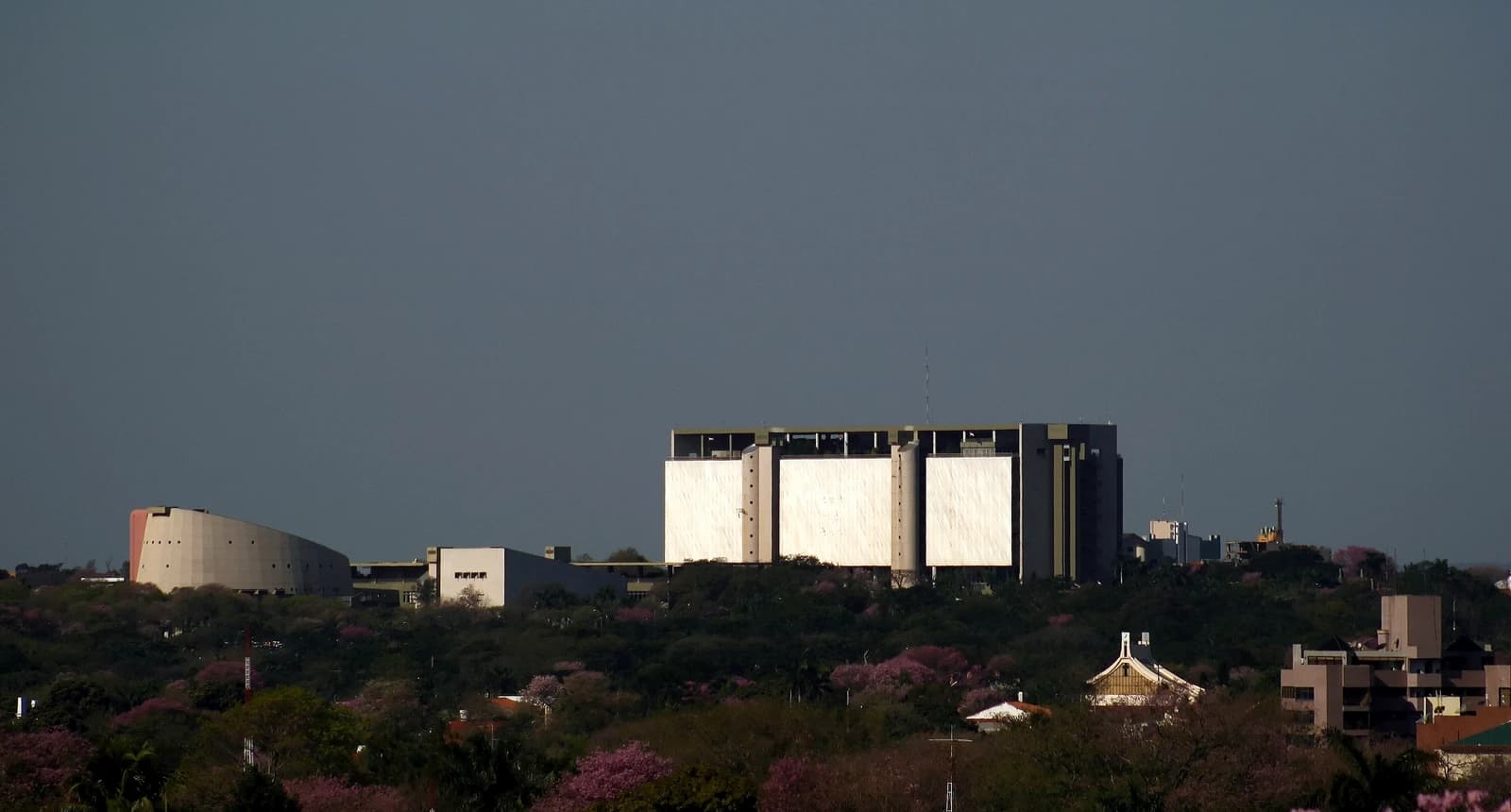
The United States has extended Citgo Petroleum’s protection from creditors, a move that preserves the Venezuelan-owned refiner’s near-term operating stability while delaying a potentially disorderly claim-and-auction process over one of the country’s most valuable foreign assets.
Citgo Creditors Protection Extended by U.S. Treasury
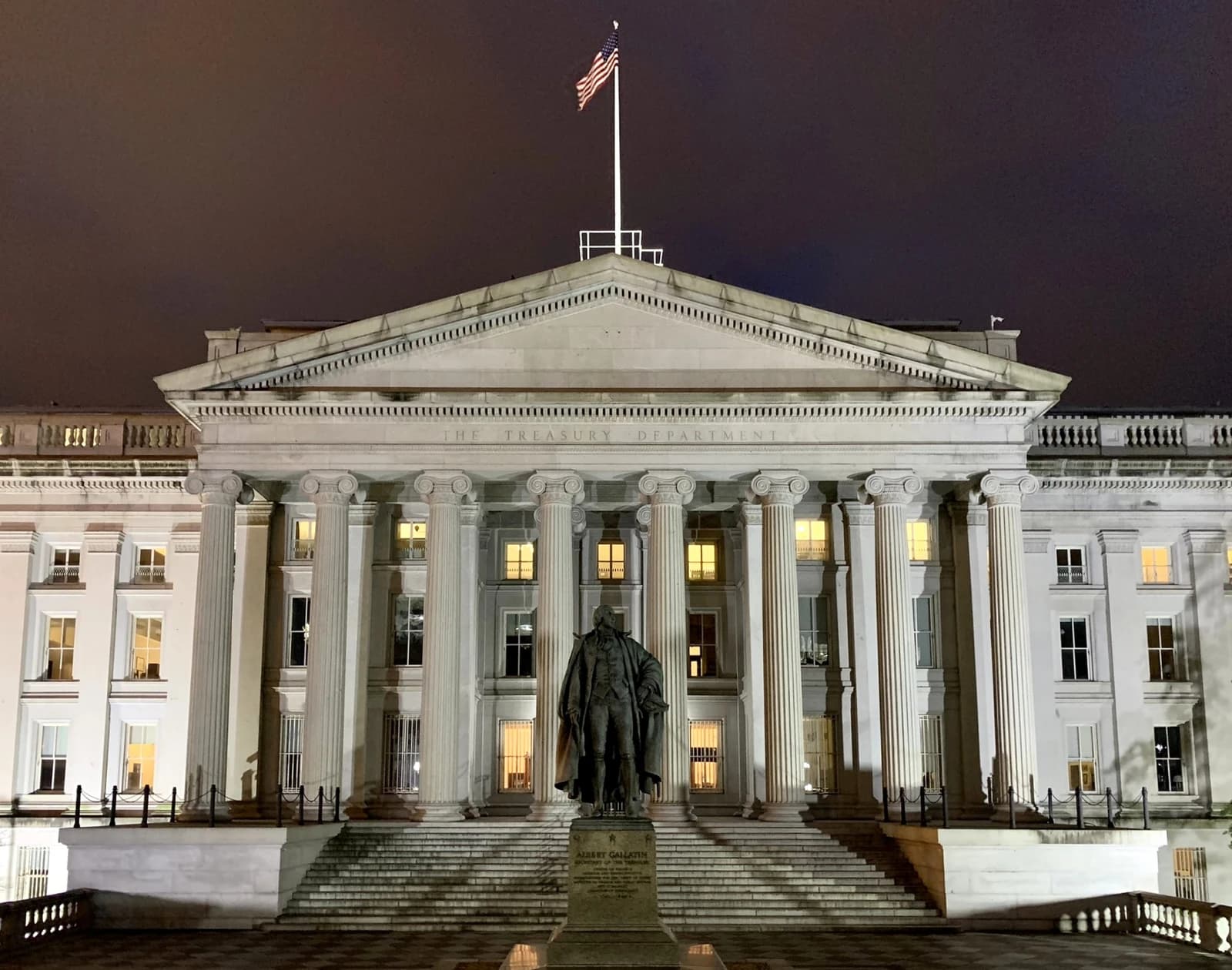
The extension matters because Citgo sits at the center of a long-running geopolitical and financial dispute: creditors are trying to recover billions tied to Venezuela’s debt defaults and expropriations, while Washington has sought to keep the refiner out of court-ordered liquidation. By keeping the asset insulated for longer, the Treasury is effectively preserving value for a future settlement or restructuring rather than forcing a fire sale that could fetch less and disrupt a strategically important US fuel supplier.
Sentiment Indicators
For investors, the decision reduces the risk of a sudden, distressed sale of Citgo shares or operating assets, a scenario that could have rippled through the Venezuelan claims trade and among companies with exposure to state-linked debt disputes. It also buys time for bidders, claimants and policymakers to negotiate around a prize that has repeatedly drawn interest because of Citgo’s scale, refining network and cash-generating capacity.
The backdrop is still fragile. Credit markets remain relatively calm — the ICE BofA high-yield spread is around 3.42 percentage points and the 10-year Treasury yield is near 4.86% — but those broad conditions do little to ease the legal overhang on Citgo or the sovereign claims tied to Caracas. In that sense, the extension is less a resolution than a continuation of a managed standoff.
Chevron, Exxon Mobil and other energy names with historical or commercial links to Venezuela are watching closely, not because they are direct beneficiaries, but because any change in Citgo’s status can alter bargaining power in the wider claims ecosystem. For refiners and fuel marketers, the immediate effect is to keep a major Gulf Coast asset in place and out of forced liquidation, preserving supply continuity and reducing the chance of a price-disruptive shock.
The key question now is whether the additional time produces a negotiated settlement that can align creditors, the US government and Venezuelan stakeholders around a sale or restructuring. If not, the market will continue to price Citgo as a delayed asset sale rather than a clean monetization, leaving the value in limbo and the legal fight unresolved.
| Entity | Gains | Losses |
|---|---|---|
| Citgo | ▲More time to preserve value | ▼Continued legal overhang |
| Creditors | ▲Better chance of higher recovery | ▼Delayed payout |
| U.S. Treasury | ▲Avoids disorderly sale | ▼Must manage dispute longer |
| Venezuela-linked claimants | ▲Negotiation window | ▼Lower urgency for settlement |