Households are being urged to beware of rogue roofers after Citizens Advice said the scam had become its most common fraud complaint, with victims handing over thousands of pounds for work that was never done.
Citizens Advice warns on rogue roofer scams
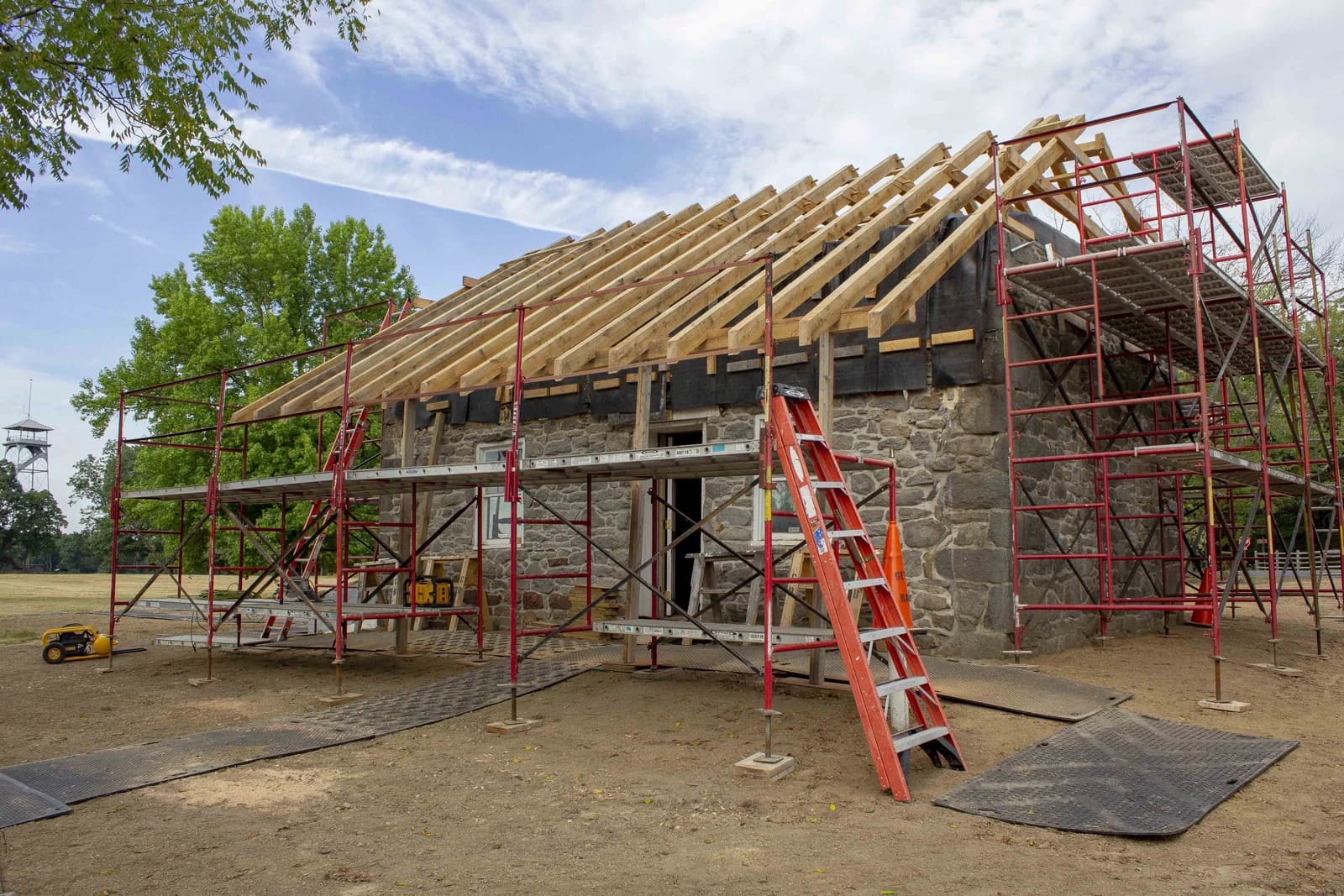
The warning matters because the fraud hits a vulnerable point in the household budget: roof repairs are urgent, hard to verify and often expensive, which gives criminals room to pressure people into making immediate decisions. In one case cited by the charity, a woman paid £3,500 after two men claimed they had found damage to her gutters and roof, only to discover the next day that no work had been carried out.
Citizens Advice said doorstep approaches accounted for 77% of suspected roofing scams it saw, underscoring that this is not a one-off deception but a repeatable sales tactic. The scam typically begins with an unsolicited visit from someone claiming to have spotted a problem visible only from the roof or from a ladder, then escalates into claims of hidden damage and an urgent need for expensive repairs. That combination of low visibility, technical jargon and pressure selling makes roofing an especially effective target for fraudsters.
The economic damage is more than the immediate cash loss. For many households, especially older people living alone, a bogus repair can mean double payments if legitimate contractors later have to fix both the alleged problem and any shoddy or nonexistent work. It also erodes trust in legitimate small contractors, making it harder for consumers to know which tradespeople to hire and when to seek a second opinion.
For investors and businesses in the home-improvement supply chain, the issue is less about direct market impact than reputational and regulatory risk. Legitimate roofing firms may face tougher scrutiny, more verification requests and higher customer acquisition costs as scam warnings spread. Online classifieds and lead-generation platforms can also come under pressure to improve checks on advertisers, especially where victims first make contact through an online post or unsolicited call-back.
The broader narrative is that fraud is becoming more opportunistic and more tactile, moving beyond email and text into face-to-face pressure tactics that exploit fear and urgency. As long as homes remain difficult to inspect and repair costs remain high, roofing will stay attractive to scammers — and consumers will need to treat unsolicited offers with the same caution they would a suspicious link or message.
| Entity | Gains | Losses |
|---|---|---|
| Legitimate roofers | ▲Higher trust if verified | ▼More customer suspicion |
| Citizens Advice | ▲Greater relevance | ▼More fraud cases to handle |
| Households | ▲Better awareness | ▼Cash losses and repair delays |
| Rogue contractors | ▲Quick illicit gains | ▼Risk of exposure and prosecution |