Clark County real estate agents are turning social media into a sales tool and an education channel as high prices and higher borrowing costs keep homeownership out of reach for many first-time buyers.
Clark County agents use social media to reach buyers

For local brokers and agents, the shift matters because the housing market is no longer won just by listing inventory. It is increasingly won by trust, reach and the ability to show buyers what they can actually afford. In a county where the median home sale price was about $549,000 in September, up 30% from 2020 and 264% from the 2000s median of $151,000, digital content has become a way to keep would-be buyers engaged long before they are ready to close.
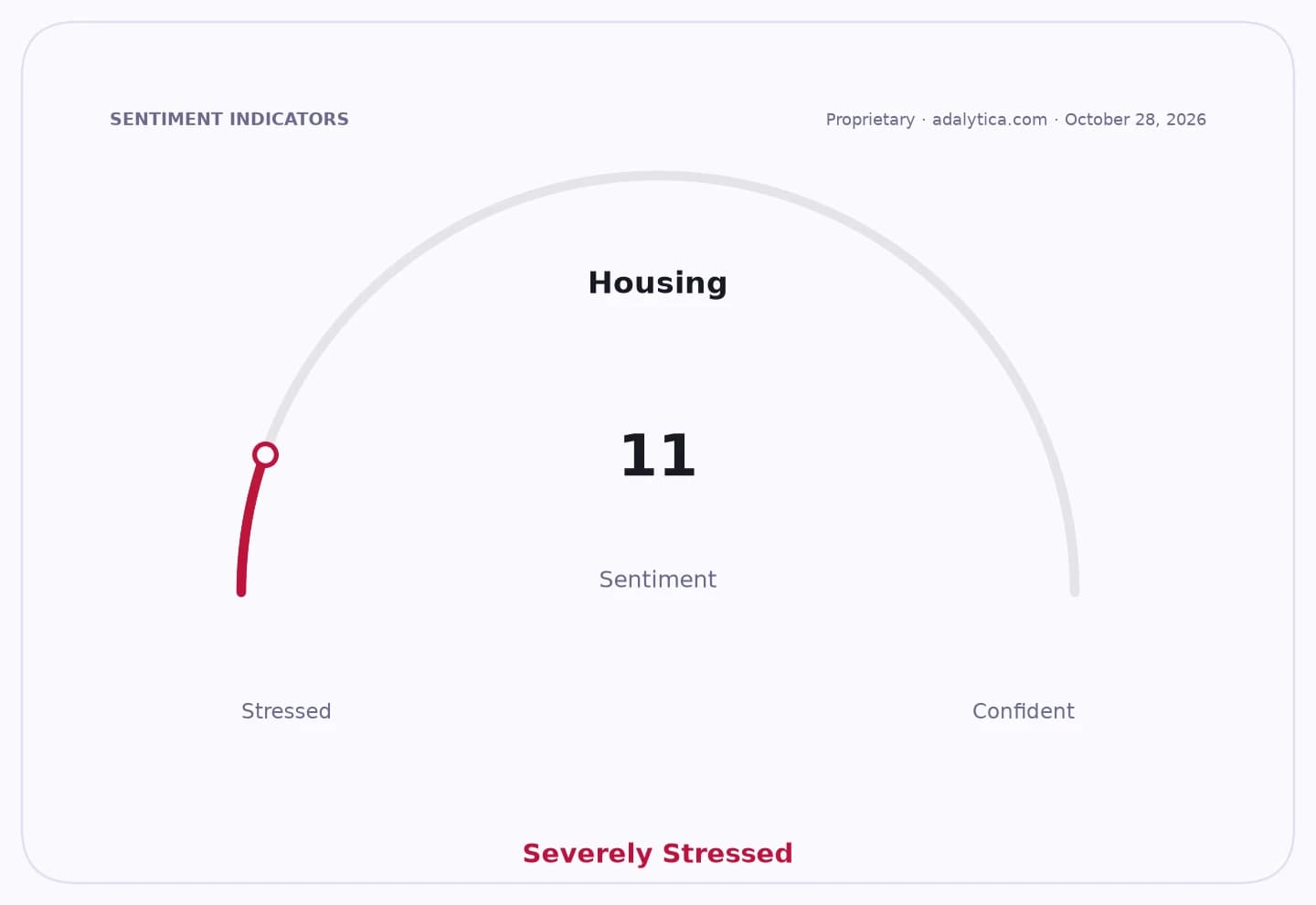
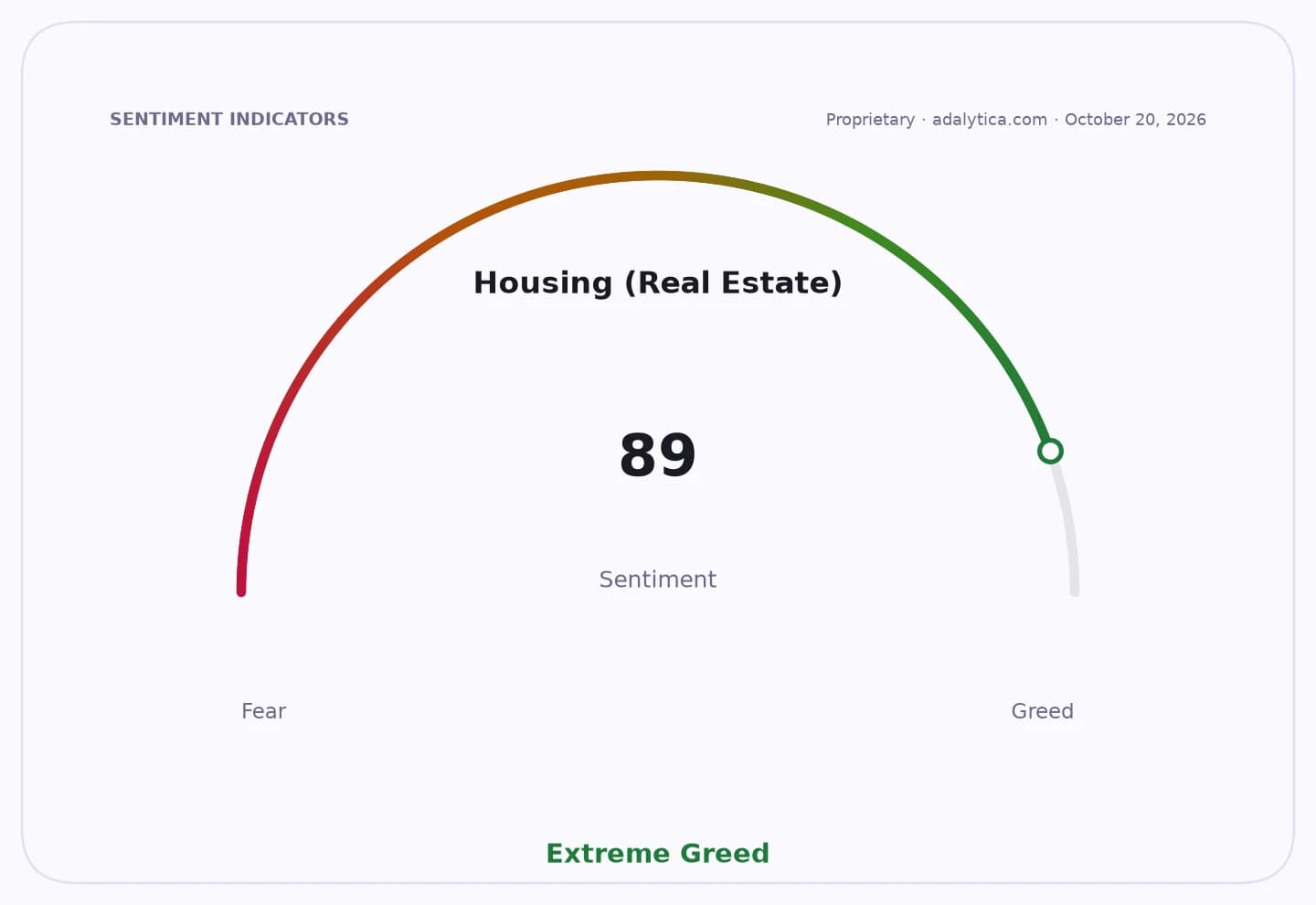
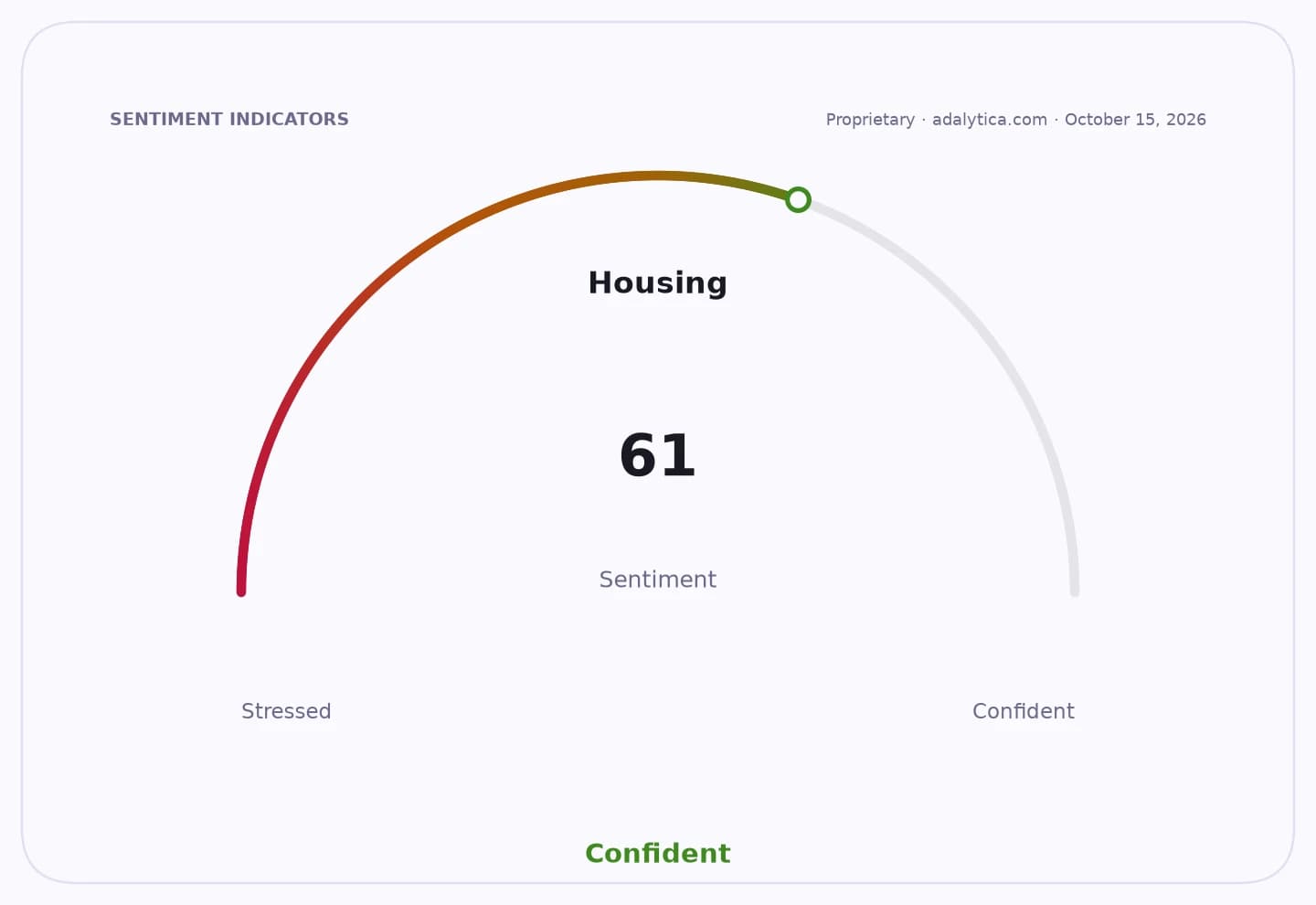
Sentiment Indicators
Vancouver agent Jasmine Yamamoto and others say videos that tour homes, explain financing and lay out realistic expectations help buyers understand the path to ownership rather than just the dream. Yamamoto, who worked as a server while saving for her own down payment before buying in east Vancouver in 2023, said authenticity matters because many viewers are trying to figure out whether they can get in at all.
That resonates with a market where the median age of a first-time U.S. homebuyer has climbed to 40 from 29 in the early 1980s, according to the National Association of Realtors. A 2025 Zillow report found 41% of prospective buyers were more likely to hire an agent with a social media presence, while 65% preferred at least one social platform for communicating with an agent.
Agents in Clark County say the content is most effective when it is unvarnished. They are not just posting polished kitchens and backyard sunsets; they are also explaining seller credits, builder incentives and the extra monthly costs that can turn a seemingly affordable house into a stretch once taxes, insurance and maintenance are added.
Cassandra Marks said roughly 20% to 25% of her business comes from YouTube, while Sydney McGraw said younger viewers often reach out after watching videos asking how homeownership could be possible for them. The message, agents say, is that a home may be attainable with time, savings and a plan — even if not today.
That pitch has gained urgency as local households face broader financial pressure. A June report found 42% of middle-income Clark County residents have trouble paying for housing, food and other necessities, underscoring why agents increasingly frame homebuying as a multiyear process rather than an immediate transaction.
For investors and housing-market watchers, the trend points to how technology is reshaping the sales funnel in a stretched affordability environment. It also highlights the split between demand generation and actual purchasing power: social media can build a lead, but it cannot offset mortgage rates, pricing or the cash needed to close.
The next test will be whether these digital relationships convert into transactions if borrowing costs ease and inventory improves, or whether the platforms mainly serve as a longer-term marketing machine in a market where many buyers are still stuck on the sidelines.
| Entity | Gains | Losses |
|---|---|---|
| Social media-savvy agents | ▲More leads and trust | ▼More pressure to stay visible |
| First-time buyers | ▲Better education and access | ▼Risk of disappointment on affordability |
| Traditional referral marketing | ▲Less dependence on old channels | ▼Eroding influence |
| Home sellers and builders | ▲Wider audience for listings | ▼More scrutiny on true monthly costs |