Artificial intelligence is moving from buzzword to business tool in real estate, and that matters because the sector’s biggest bottlenecks are not just prices and interest rates, but finding buyers and closing deals faster.
Brazil real estate firms use AI to speed sales

In Brazil, where MRV says buying a home can take 13 to 15 months or longer, the payoff from better lead management is obvious: shorter sales cycles mean less working capital tied up, faster revenue recognition and better cash conversion for builders and brokers. For investors, that is the kind of operational improvement that can lift margins even before the housing market fully recovers.
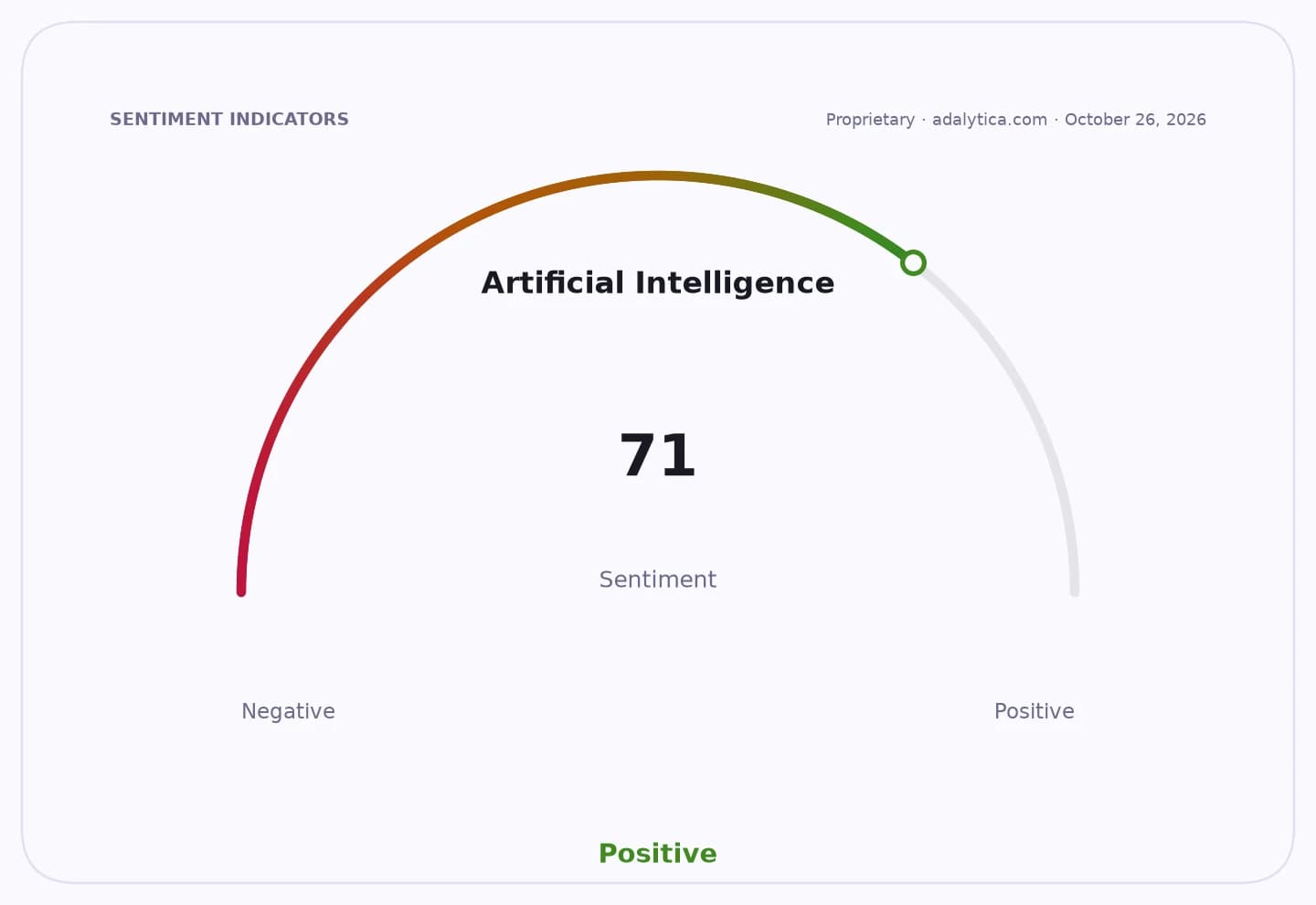
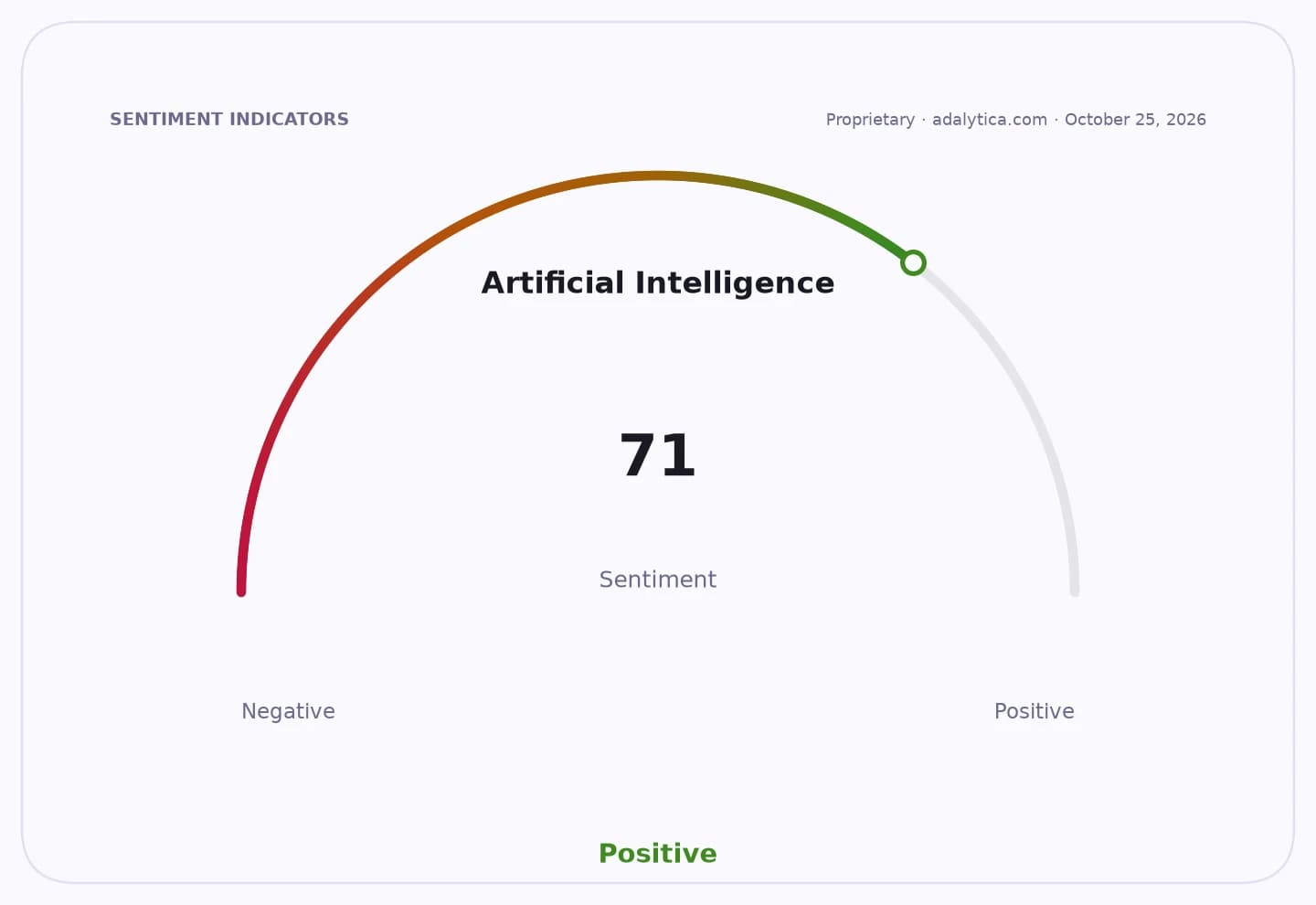
Sentiment Indicators
The opportunity is especially large in a market where developers and platforms sit on huge customer databases but often struggle to separate serious buyers from casual browsers. Thiago Ely, MRV’s vice president of sales and marketing, said AI helps break those leads into smaller groups so firms can track behavior more closely and send more targeted offers. In plain English, the technology can help sales teams spend less time guessing and more time converting.
That matters because real estate is a relationship business, but it is also a data business now. AI is increasingly being used to support brokers rather than replace them, including speeding up training for agents who come into the industry from other fields and may not fully understand credit or financing. For companies, that could reduce onboarding costs and improve the quality of the sales force. For investors, it suggests a path to scaling distribution without scaling headcount at the same rate.
Platforms are also using AI to improve pricing, which may be the most direct way to accelerate transactions. Olivier Aizac, chief executive of Grupo OLX, said the company is using its database of about 6 million listings to help sellers position properties at the right price for a given region. In real estate, pricing is destiny: list too high and inventory lingers, list too low and value leaks away. AI that narrows that gap can help both sellers and platforms generate faster turnover.
The technology is also making customer engagement more efficient. Virtual agents can answer inquiries around the clock, while search-pattern analysis can help platforms identify what buyers want before competitors do. That creates a feedback loop: more data leads to better targeting, which leads to more sales, which produces even more data. Over time, that can become a meaningful competitive moat for the biggest, most data-rich firms.
There are risks, of course. AI will not fix high borrowing costs, tight credit or weak consumer confidence, and it will not eliminate the need for trust in a transaction as big as a home purchase. That is why transparency and regulatory oversight still matter, especially as consumers become more open to AI-assisted search and advice. The biggest winners will be the companies that use AI to make the process simpler, not colder.
For long-term investors, the message is straightforward: AI in real estate is less about hype and more about operational efficiency. Firms that can use it to capture leads, price accurately and train sellers faster should be able to grow more profitably when demand improves. That makes the theme worth watching, especially across brokers, marketplaces and developers with large digital footprints.
| Entity | Gains | Losses |
|---|---|---|
| Real estate platforms | ▲More leads, faster conversion | ▼Manual sales inefficiency |
| Brokers and agents | ▲Faster training, better tools | ▼Low-productivity workflows |
| Homebuilders and developers | ▲Shorter sales cycles, better pricing | ▼Prolonged inventory turnover |
| Buyers waiting for transparency | ▲Better matching and service | ▼Confusing or overpriced listings |