CNews is no longer just a profitable French cable channel; it has become one of the most consequential political assets in the battle for France’s next presidential election, giving Marine Le Pen’s far right a media megaphone just as the campaign heats up.
CNews and Bolloré in France election debate
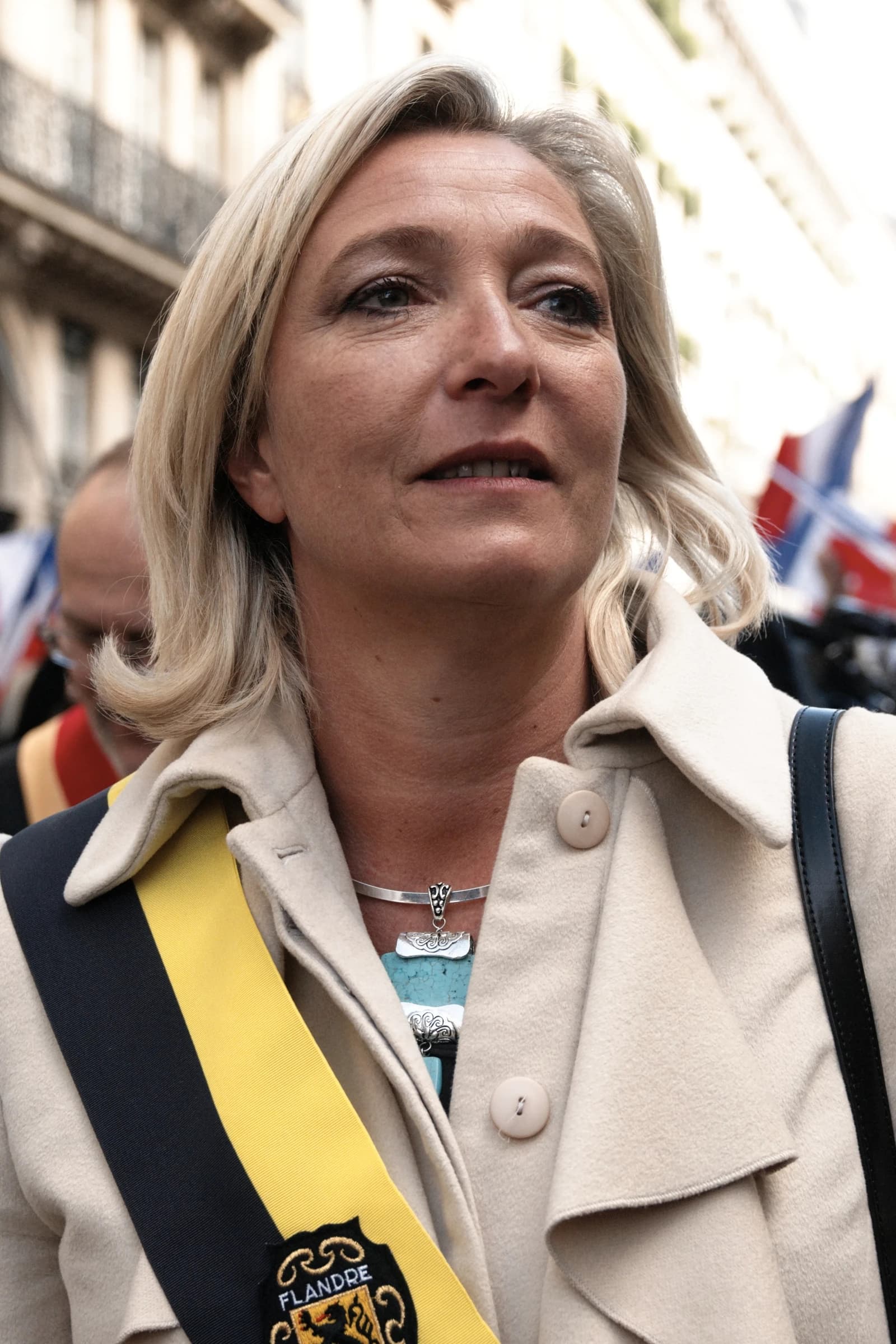
That matters because in a fragmented information market, agenda-setting can be more valuable than raw ratings. Bolloré’s channel may only have a 3.4% audience share, but Reuters’ reporting shows it was last year the most-watched rolling news channel in France, with rivals quickly following the stories and framing pioneered on air. In a country where public broadcasting still costs taxpayers about €4 billion a year, the prospect of an RN government privatizing parts of that system turns CNews from a cultural lightning rod into a potential policy beneficiary.
Sentiment IndicatorsⓘProprietary · adalytica.com · September 4, 2026
This is a snapshot — live sentiment, awareness and momentum for 130+ markets update continuously in the dashboard.Open AlphaPulse
The broader economic issue is control over the narrative machinery that shapes consumer sentiment, voter behavior and ultimately capital flows into France. Media regulation, licensing and public broadcasting funding are not abstract political questions for investors; they can affect everything from ad spending and telecom distribution to the valuation of Bolloré’s media empire. If the National Rally reaches power, Bolloré’s empire could be positioned for regulatory upside, while France Télévisions and other state-backed broadcasters face a direct threat to their mandate and budgets.
The Reuters account makes clear that CNews’ influence goes well beyond conventional audience metrics. It has repeatedly set the terms of debate on immigration, crime, insecurity and now Ukraine, all themes that resonate with the RN’s anti-establishment base. The recruitment of Xenia Fedorova, the former Russia Today executive, and the firing of critics who stray from the channel’s line reinforce the view that Bolloré’s media strategy is ideological as well as commercial.
For investors, the key point is asymmetry. Bolloré-controlled assets can gain if a more nationalist, deregulatory France weakens public broadcasting and rewards sympathetic private media. But the same outcome could sharpen regulatory scrutiny, especially if Arcom concludes CNews has breached pluralism rules after its June warning and the hate-speech probe continues. That creates a classic election trade: long the influence of private media incumbents and anti-establishment distributors, cautious on state broadcasters and politically exposed advertisers.
The market is underestimating how much the election debate can be moved by media ownership, not just polling. If CNews keeps normalizing the far right’s themes, the RN’s policy agenda gains reach long before ballots are cast. In that sense, Bolloré’s channel is not merely reporting on the French election — it is helping shape the investable outcome.
| Entity | Gains | Losses |
|---|---|---|
| Bolloré/CNews | ▲Political influence | ▼Regulatory scrutiny |
| National Rally (RN) | ▲Media amplification | ▼Mainstream rivals’ narrative control |
| France Télévisions | ▲None | ▼Privatization risk |
| Investors in Bolloré media assets | ▲Policy upside | ▼Election volatility |