French women are posting photos and videos of themselves wearing Muslim headscarves in a growing social-media protest against far-right plans to ban the garment in public places, turning a cultural flashpoint into a live political test ahead of France’s 2027 presidential race.
France Headscarf Protest Grows Ahead of 2027 Vote

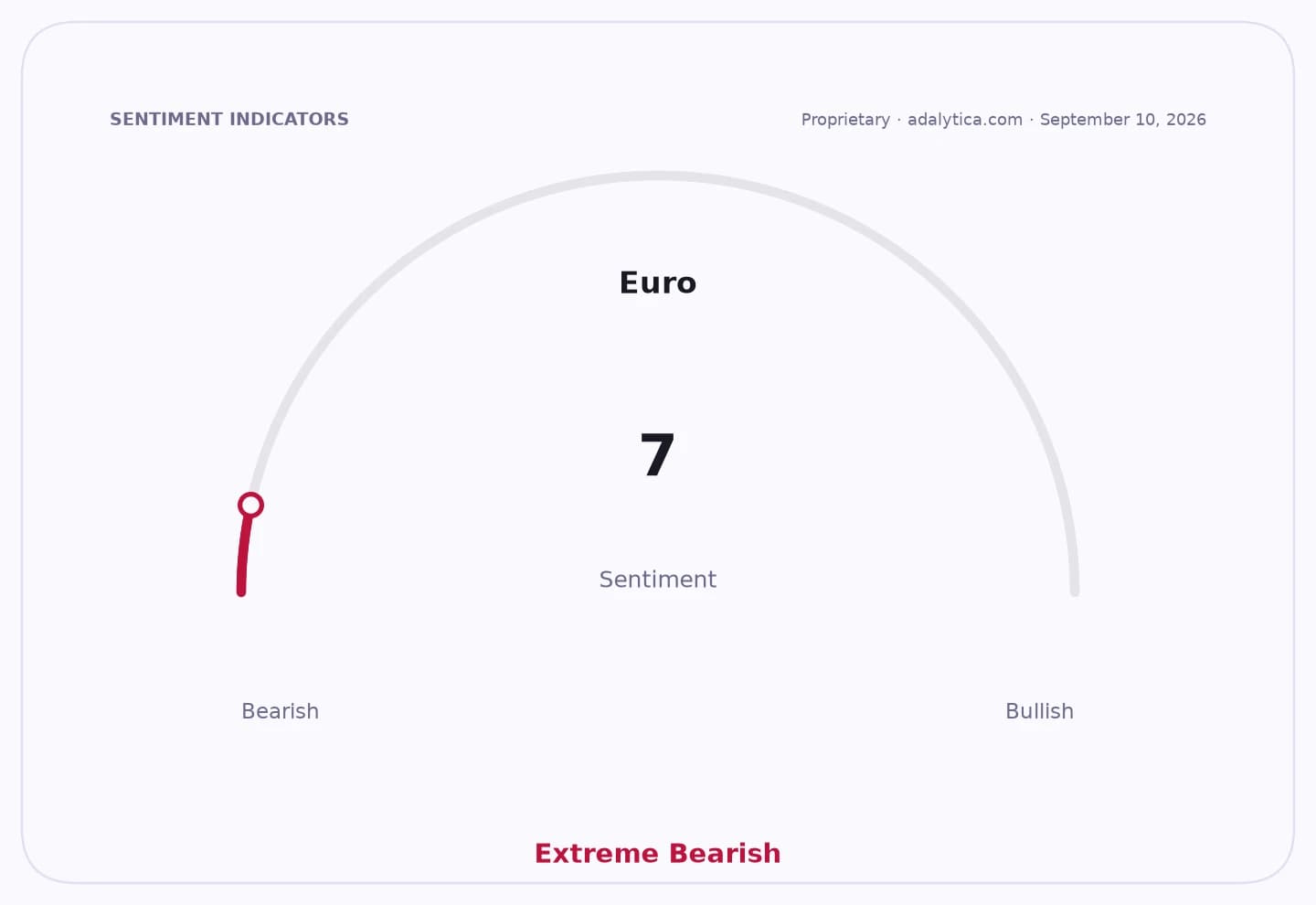
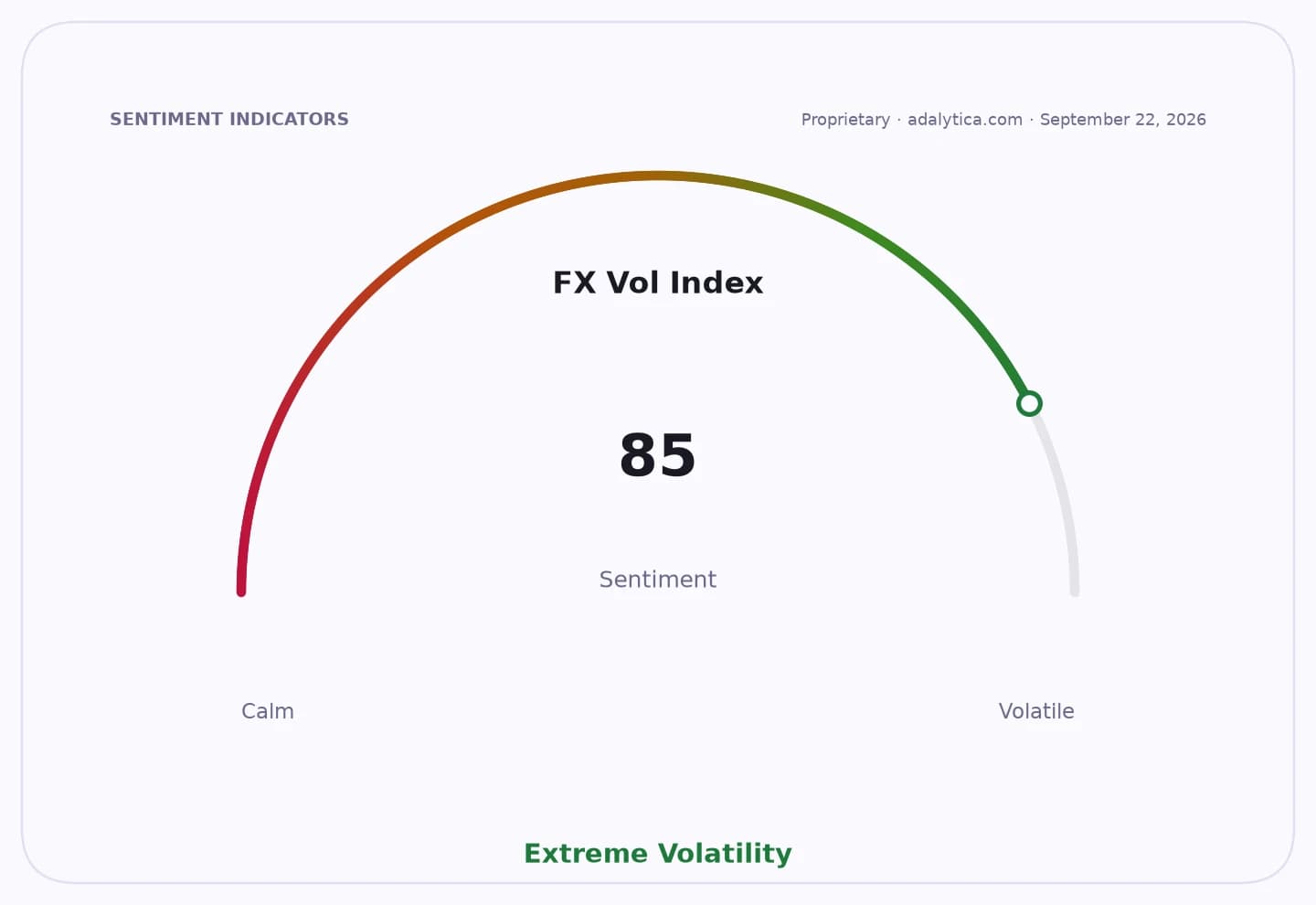
The campaign matters because it pushes one of France’s most divisive identity issues back to the center of the national debate: secularism, religious freedom and the treatment of Muslim women. For investors, the immediate market impact is limited, but the broader implication is that immigration and cultural-policy disputes are likely to remain a source of political volatility in Europe’s second-largest economy, especially as the presidential contest approaches.
Sentiment IndicatorsⓘProprietary · adalytica.com · September 6, 2026
This is a snapshot — live sentiment, awareness and momentum for 130+ markets update continuously in the dashboard.Open AlphaPulse
The online backlash was triggered by criticism of a proposal from Marine Le Pen’s National Rally, which has floated a referendum on banning headscarves in public spaces if it wins the 2027 election. One RN lawmaker, Jean-Philippe Tanguy, went further on television, saying women would be fined for wearing the scarf under a future RN government.
That has intensified accusations that the initiative is discriminatory and aimed directly at Muslim women. Posts circulating under the campaign include messages such as support for “all our fellow citizens who wear headscarves” and pledges to put one on immediately if the law is adopted.
France already restricts overt religious symbols for public employees on duty, and has barred conspicuous religious symbols, including Muslim headscarves, in state primary and secondary schools since 2004. The new proposal would broaden that debate into public life more generally, raising the political stakes well beyond schools and the civil service.
The issue is likely to stay in focus as France heads toward the first round of the presidential election on April 18, 2027, followed by the runoff on May 2. President Emmanuel Macron cannot run again after two consecutive terms, leaving the contest open and making identity politics an increasingly important campaign axis.
| Entity | Gains | Losses |
|---|---|---|
| Anti-ban protesters | ▲Visibility and solidarity | ▼Little immediate policy power |
| National Rally / Le Pen camp | ▲Mobilization of base | ▼Accusations of discrimination |
| Muslim women in France | ▲Public support | ▼Renewed political targeting |
| Macron-era centrists | ▲Debate over secularism | ▼More pressure on political stability |