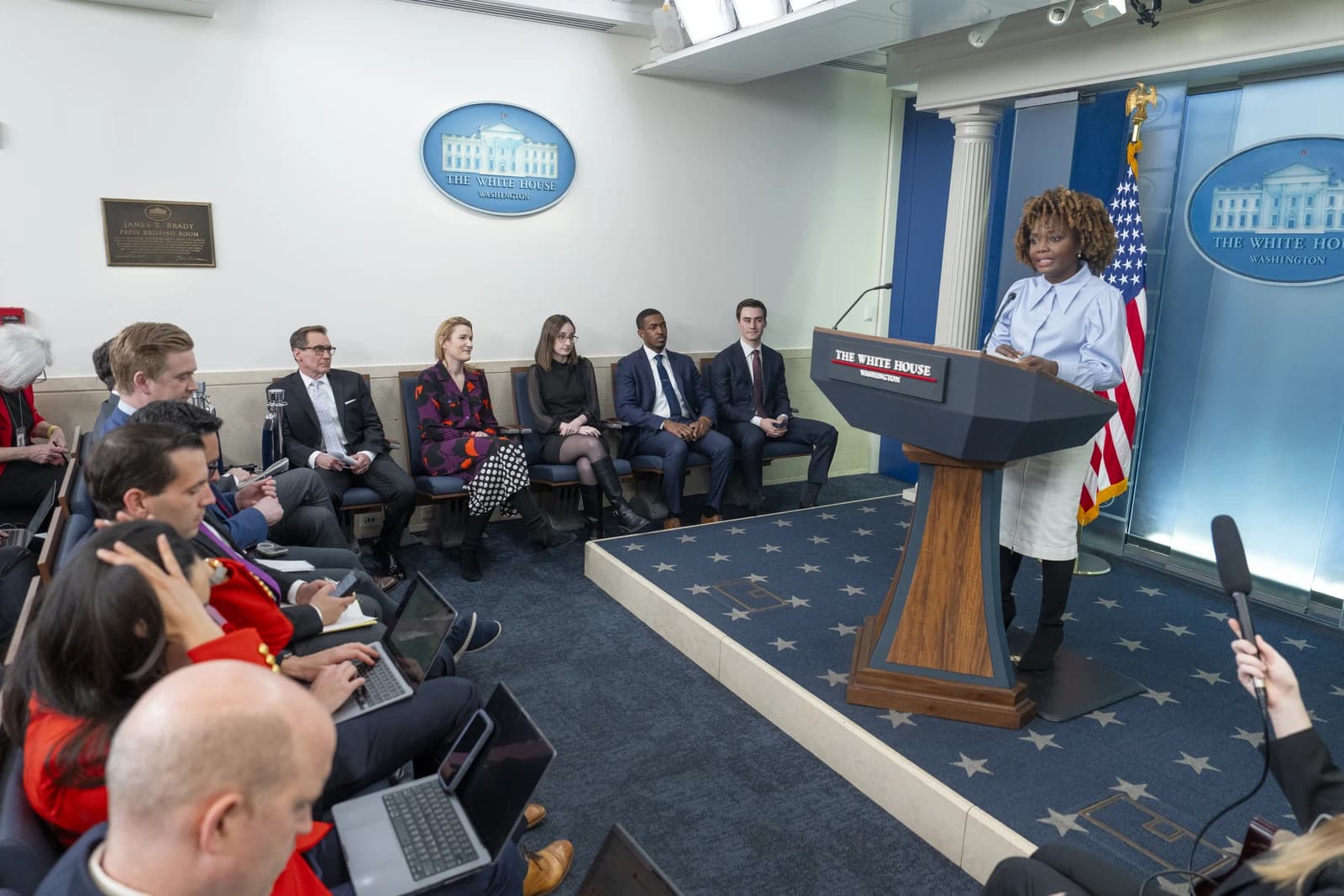
A federal judge has blocked President Donald Trump from barring CNN, MS NOW and Politico from White House access over their coverage, delivering the latest legal setback to an administration campaign that has tried to use credentials and press access as leverage against outlets it views as hostile.
CNN, MS NOW, Politico Win White House Access Order
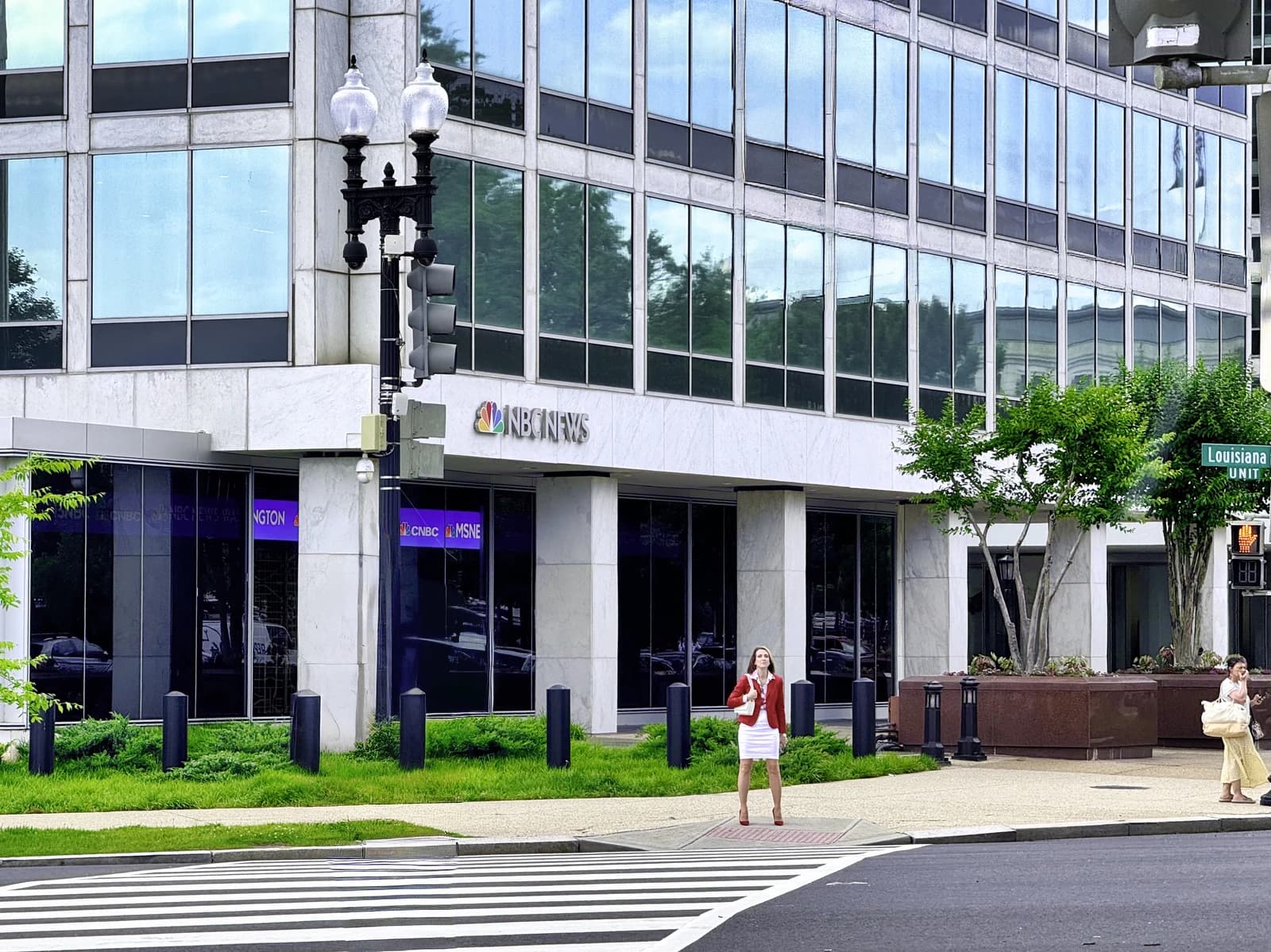
The ruling matters well beyond three newsrooms. By finding that the White House likely retaliated against protected speech and failed to provide due process, U.S. District Judge Timothy J. Kelly undercut an effort that would have given the president a powerful tool to shape coverage through access control. For investors, the case is a reminder that media companies remain exposed to political risk, but also that courts can still act as a check when the government crosses constitutional lines.
Sentiment IndicatorsⓘProprietary · adalytica.com · October 14, 2026
This is a snapshot — live sentiment, awareness and momentum for 130+ markets update continuously in the dashboard.Open AlphaPulse
Kelly, a Trump appointee, said Tuesday night that the administration’s decision to revoke the outlets’ “hard passes” likely violated both free speech and due process protections. He pointed to Trump’s own public comments and social media posts, writing that they suggested the president was trying to pressure reporters to cover him more favorably rather than responding to national security concerns.
The decision gives CNN, MS NOW and Politico temporary relief pending a formal trial, after the judge had already issued a restraining order on Sept. 24. It also reinforces an earlier line of rulings that White House press credentials, once granted, cannot be stripped simply because officials dislike a reporter’s coverage.
The economic significance is less about direct revenue than about control of information. White House access helps determine who gets to observe events firsthand, shape the news cycle and reach audiences faster than competitors. Losing that access can weaken a newsroom’s relevance, reduce its ability to produce exclusive content and, in turn, hurt advertising, subscriptions and bargaining power with distributors. The judge explicitly noted that the ban would have cut the outlets off from a space open to competitors, narrowing their ability to report immediately and engage officials.
That makes the case relevant to a broader media industry already under pressure from politics and weak advertising conditions. News organizations have been increasingly forced to defend access, licensing and editorial independence in an environment where governments are more willing to punish unfavorable coverage. The Trump administration has already moved against outlets at the Pentagon, floated reviews of broadcast licenses and pursued investigations involving major networks, while also backing away from federal support for public media.
For the public companies touched by this fight, the market angle is mixed. Cable and digital news brands such as CNN and MS NOW do not report their politics coverage separately, but access disputes can affect audience growth, brand equity and carriage leverage over time. Politico, while not public, operates in a market where premium political journalism is prized precisely because access is scarce. The longer a ban lasts, the greater the risk that rivals capture attention and advertising dollars.
There is also a regulatory read-through for the broader media complex, including Alphabet and Meta, which depend heavily on news content, political traffic and advertiser confidence even if they are not direct parties to the lawsuit. The ruling signals that the administration’s tactic of using state power to discipline unfavorable coverage may be constrained, reducing one layer of uncertainty for media-facing businesses. At the same time, the White House’s willingness to fight on multiple fronts suggests more legal and reputational volatility ahead.
The administration’s next move will matter. Kelly did not decide the case on the merits beyond the preliminary stage, and he stopped short of addressing all access restrictions, including instances where CNN was blocked from smaller spaces such as Air Force One or the Oval Office. That leaves room for further clashes, appeals and selective enforcement questions.
For investors, the broader message is that political pressure on media is not just a culture-war issue; it can alter who controls distribution of news and how quickly information reaches markets. The ruling curbs one of the White House’s more direct tactics, but it does not end the fight over press access, and it leaves the industry braced for more confrontation before the matter is finally resolved.
| Entity | Gains | Losses |
|---|---|---|
| CNN, MS NOW, Politico | ▲Restored White House access | ▼Lost leverage from ban |
| Trump White House | ▲Short-term message control | ▼Judicial setback |
| Media competitors with access | ▲Exclusive visibility | ▼Less constrained competition |
| Investors in media brands | ▲Lower political-risk premium | ▼Ongoing legal uncertainty |