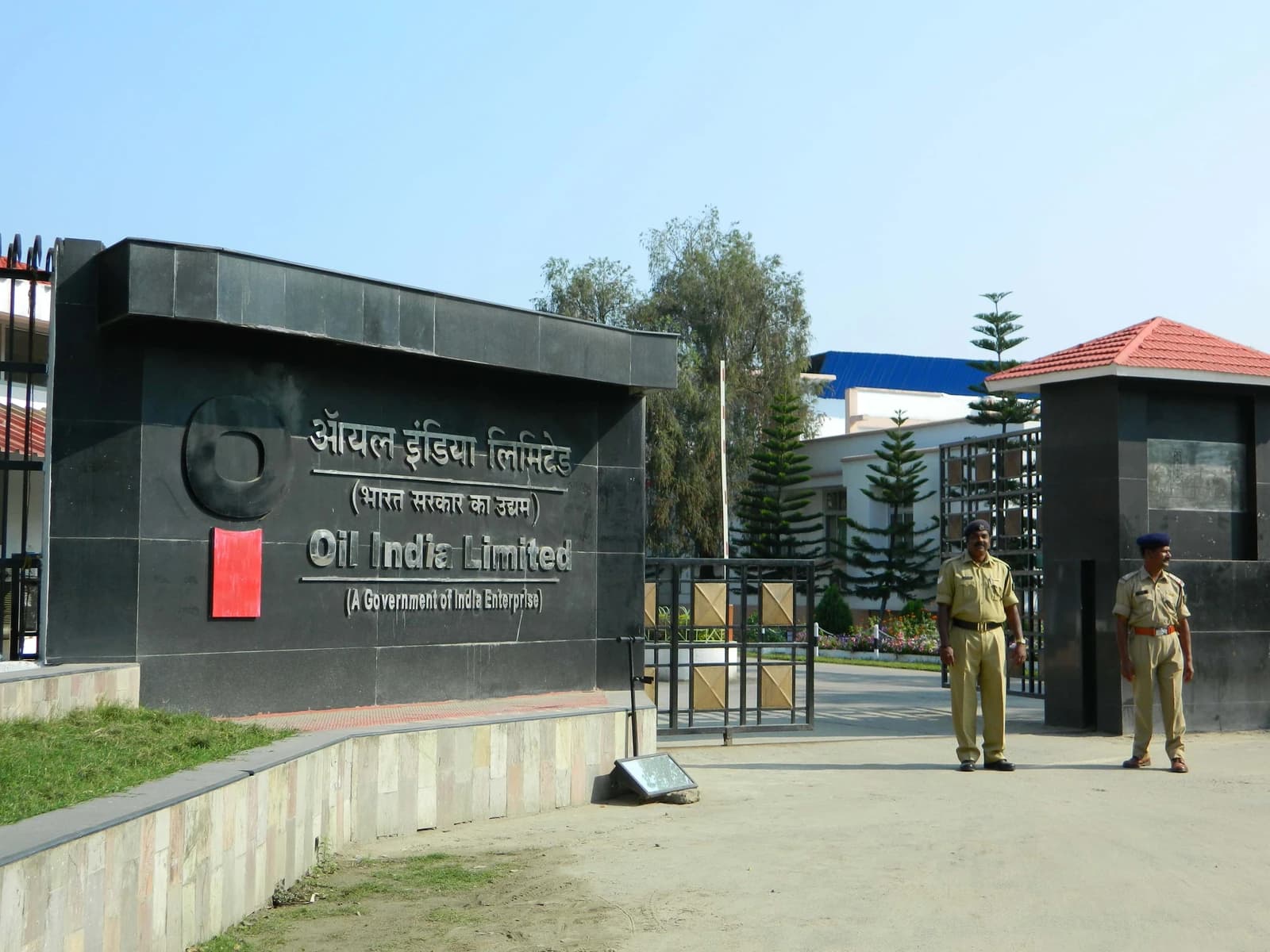
Uttar Pradesh’s decade-long failure to bring a 973-million-ton coal block in Jharkhand into production is keeping Coal India Ltd. at the center of the state’s power-fuel chain, underscoring how slow mine development can force utilities to rely on the state miner longer than planned.
Coal India gains as Uttar Pradesh coal block stalls
That matters because captive coal blocks are supposed to cut fuel costs, improve security of supply and reduce the need for spot or regulated purchases. Instead, the Centre says the Saharpur-Jamarpani block, allotted in 2015 to Uttar Pradesh Rajya Vidyut Utpadan Nigam Ltd., still has not moved toward operationalisation, even as 14 other captive blocks allotted later have already started production. The message from New Delhi is clear: execution failure, not coal scarcity, is now the bottleneck.
Sentiment IndicatorsⓘProprietary · adalytica.com · September 18, 2026
This is a snapshot — live sentiment, awareness and momentum for 130+ markets update continuously in the dashboard.Open AlphaPulse
For investors, the immediate implication is two-sided. Coal India retains a durable demand backstop as Uttar Pradesh’s thermal plants continue to source all their coal from the miner, which helps preserve offtake and cash generation. Coal India shares have already been trading with a stronger tone than the broader market, with the stock recently above its 50-day moving average and hovering near a technically constructive range, reflecting confidence that India’s power sector will keep leaning on domestic supply. But the same delay also highlights a structural inefficiency in the system: if state generators cannot convert captive reserves into actual output, the promised shift to lower-cost, self-supplied coal never arrives.
The ministry’s own figures show this is not a near-term fuel crisis. Uttar Pradesh’s plants were not in critical-stock territory as of Sept. 15, coal inventories rose from 7.25 lakh tonnes to 8.41 lakh tonnes in two weeks, and average daily receipts of about 0.90 lakh tonnes exceeded consumption of about 0.83 lakh tonnes over the past seven days. Yet generation at the plants was running at only about 48% plant load factor, which means the bigger issue is operational bottlenecks — including unloading constraints — rather than a lack of coal at the gate.
That distinction matters for the market. It suggests Coal India remains an essential toll road in India’s power system even as the government pushes captive mining and commercial block auctions to widen supply. It also means the investment case is increasingly about the persistence of domestic coal demand, not just higher volumes today. Until state utilities can actually develop their own blocks and fix plant-level inefficiencies, Coal India stays embedded in the power sector’s core logistics chain.
The broader narrative is straightforward: India wants more self-reliant coal supply, but execution keeps dragging. That delays cost savings for generators, keeps the rail-and-rake ecosystem busy, and preserves demand for Coal India. For investors, the actionable takeaway is to stay constructive on domestic coal and power-logistics beneficiaries, while recognizing that operational delays like this one make the transition away from Coal India much slower than policy rhetoric suggests.
| Entity | Gains | Losses |
|---|---|---|
| Coal India Ltd | ▲Sustained offtake | ▼Less pressure to cede supply |
| UPRVUNL / Uttar Pradesh | ▲Short-term fuel security | ▼Higher dependence, missed cost savings |
| India power sector | ▲Near-term supply stability | ▼Slower captive-mine efficiency |
| Coal logistics / rail rakes | ▲Steady freight demand | ▼Limited downside from delayed mine rollout |