An illegal coal depot in Chhattisgarh’s Janjgir-Champa district has been sealed and 16 machines seized, ending a six-year operation that officials say had run on local influence and regulatory gaps.
Chhattisgarh coal depot sealed, 16 machines seized

The crackdown matters economically because coal remains a critical input for power generation, steel and heavy industry, and any unlicensed depot can distort pricing, evade levies and weaken oversight of supply chains that already operate under tight scrutiny. In a market where coal theft, diversion and informal logistics can erode state revenues and undermine permitted operators, enforcement action signals that authorities are willing to step in more aggressively against shadow distribution networks.
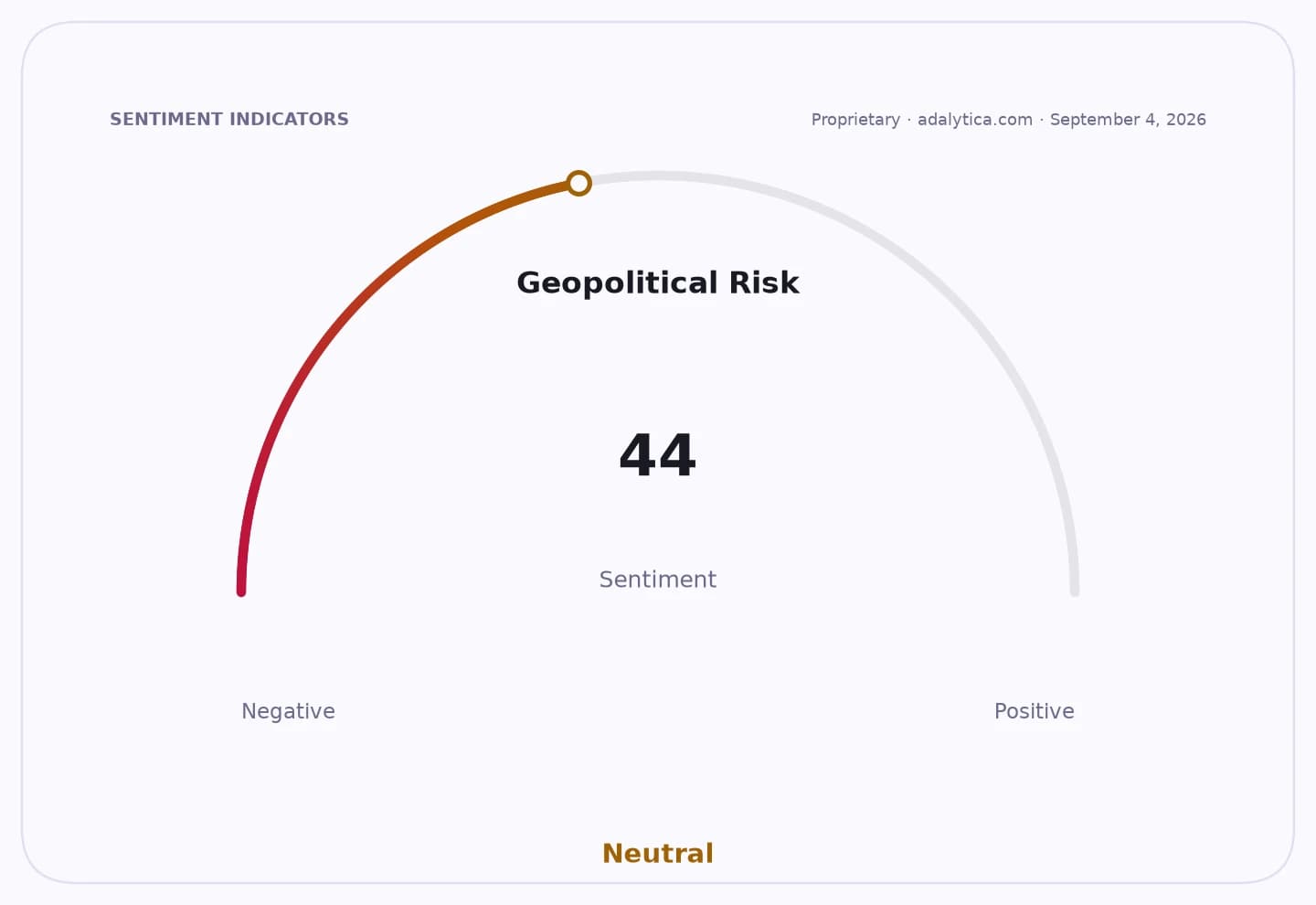
Sentiment IndicatorsⓘProprietary · adalytica.com · September 10, 2026
This is a snapshot — live sentiment, awareness and momentum for 130+ markets update continuously in the dashboard.Open AlphaPulse
The action was taken by a district administration team under Collector Janmejay Mahobe after repeated media reports pushed the case into the spotlight. Officials sealed the depot run by Ma Sharda Logistic Private Limited in Kanhaiband village, halted unauthorized boundary wall construction and confiscated heavy equipment including three JCBs, three chain JCBs, a payloader, a truck, a tractor, a diesel jeep, a tanker, a concrete mixer and construction material.
Authorities said the depot had been operating illegally for six years and that notices issued earlier had not stopped the work. On arrival, the inspection team found only a limited quantity of coal at the site, raising suspicion that stock had been moved before the raid. The remaining coal was sealed after documentation, while the firm’s machinery was placed under restraint with warnings that removal without permission would trigger an FIR and further legal action.
For investors, the story is less about one depot than about the broader discipline of India’s coal logistics chain. Enforcement can improve compliance, protect legitimate transport and handling businesses, and reduce leakage in a sector where scale and regulation often coexist with informal activity. But it also underscores the persistent operational and governance risks around coal distribution, especially in states where local politics, transport economics and industrial demand intersect.
The near-term question is whether this becomes an isolated enforcement episode or the start of wider action against unauthorized coal depots and handling yards. If regulators follow through with FIRs and asset seizures, the message to operators is clear: informal coal logistics may be tolerated for years, but it can be shut down quickly once authorities act.
| Entity | Gains | Losses |
|---|---|---|
| Legitimate coal handlers | ▲Stronger compliance environment | ▼Less tolerance for informal rivals |
| State administration | ▲Revenue control and enforcement credibility | ▼Pressure to sustain follow-through |
| Ma Sharda Logistic / illegal depot operators | ▲None | ▼Sealed site, seized equipment |
| Coal buyers using informal channels | ▲None | ▼Disruption to cheaper supply routes |