Coffee prices extended their slide on November 21, with robusta futures on ICE sinking to a three-year low as the Vietnam harvest moved into its busiest stretch and money managers piled into bearish bets.
Coffee Prices Fall as Vietnam Harvest Speeds Up
The move matters because it marks a sharper easing in a market that had stayed elevated for much of the past year, putting pressure on producers but offering relief to roasters, traders and consumer brands exposed to green coffee costs. Robusta is the cheaper, higher-caffeine bean widely used in instant coffee and blends, so a prolonged drop can quickly ripple through supply chains and pricing decisions.
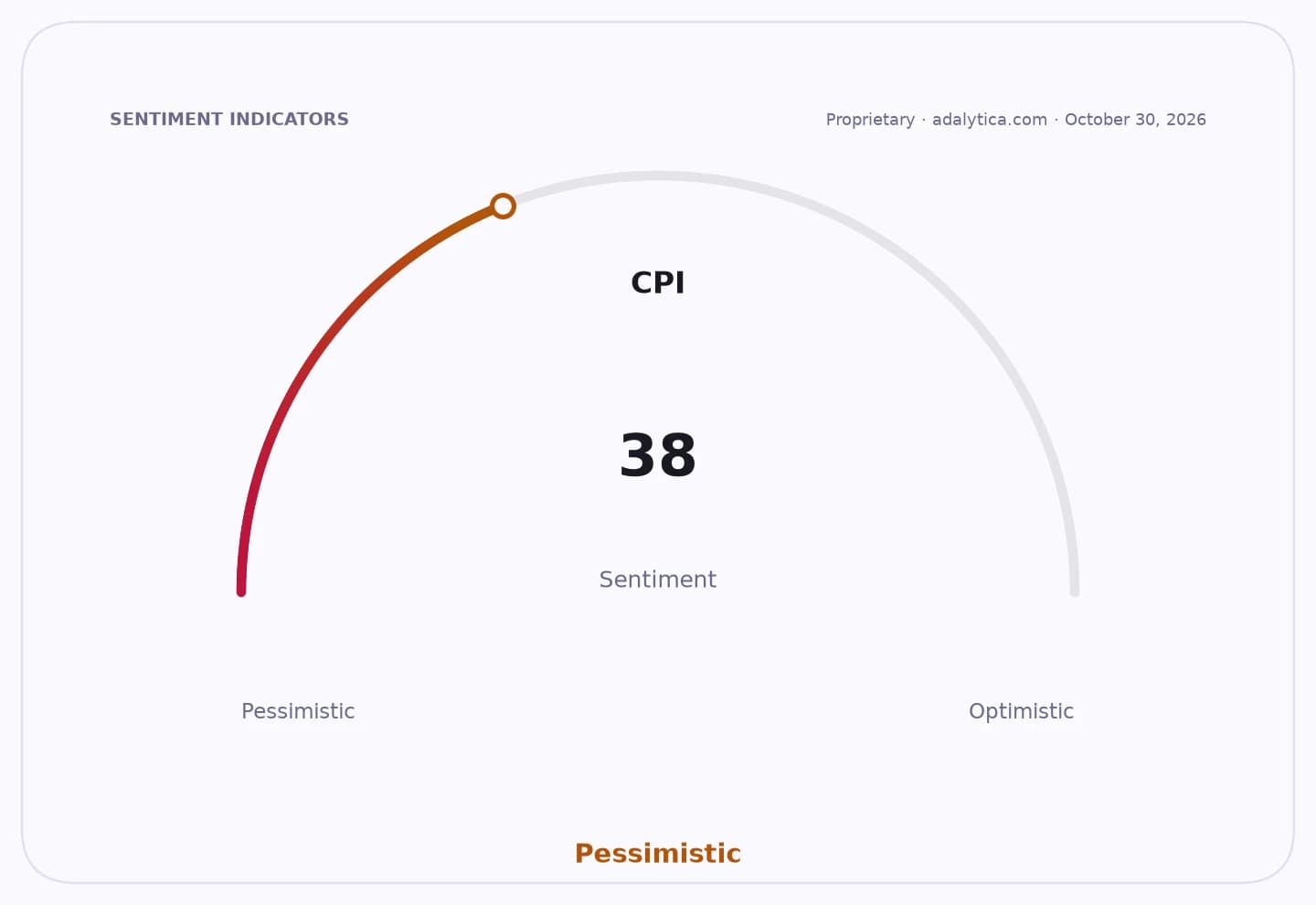
Sentiment Indicators

On ICE in London, January 2027 robusta fell 3.3% to $2,881 a metric ton after touching $2,854, its lowest level in three years. That was the 10th straight decline for the contract and left the market down about 10% on the week. The March 2027 contract dropped 2.6% to $2,865 a ton.
Arabica also weakened, with the December 2026 contract in New York down 2.6% to 274.85 cents per pound and the March contract slipping 2.7% to 268.5 cents. The decline was broader than a single contract rollover, reflecting expectations for more supply from Brazil and signs of a looser physical market.
The most immediate pressure is coming from origin. Traders in Vietnam said the country’s peak harvest is increasing prompt supply, while local differentials have narrowed even as futures fall, a sign that physical beans are still finding buyers but at softer prices. Reuters and Barchart said robusta had already fallen to a three-year low, underscoring how quickly sentiment has turned.
Positioning has amplified the move. Commitments of Traders data showed funds added 9,676 short contracts in robusta in the week ended Nov. 17, lifting net shorts to 24,069, the highest in nearly four years. That leaves the market vulnerable to further downside if harvest pressure persists, though it also raises the chance of sharp short-covering if weather or logistics disrupt shipments.
Arabica is facing a different but related oversupply narrative. ICE said 251,230 bags were awaiting grading in exchange warehouses, the most in 3.75 years, while a weaker Brazilian real encourages exporters to sell more into dollars. Brazil, the world’s largest coffee producer and exporter, accounts for roughly 35% to 40% of global output and close to 30% of exports, so currency moves there can quickly change the tone in global pricing.
Crop reports are adding to the bearish case. Early flowering in key arabica regions of Brazil, including Upper Mogiana and southern Minas Gerais, suggests the next harvest could begin sooner than usual, potentially pulling forward supply. Some agronomists say abnormal rainfall and humidity linked to El Niño helped trigger the shift.
For investors, the implication is not just lower coffee prices but a redistribution of margins along the chain. Coffee roasters and branded beverage companies such as Starbucks benefit from cheaper input costs, while growers, exporters and commodity longs absorb the pain. The next market test will be whether Vietnam’s harvest pace, Brazil’s shipping flows and fund positioning keep prices under pressure into year-end or whether any weather shock interrupts the selloff.
| Entity | Gains | Losses |
|---|---|---|
| Roasters and retailers | ▲Lower input costs | ▼Less pricing power |
| Coffee farmers | ▲— | ▼Softer farm-gate prices |
| Short sellers / funds | ▲Momentum on bearish bets | ▼Risk of squeeze |
| Starbucks and similar buyers | ▲Cheaper green coffee | ▼Margin gains may lag if hedging is high |