A fresh broker comparison underscores how much crypto trading has shifted from hype to execution, with Bitpanda, Interactive Brokers and Coinbase among the clearest standouts as investors look for lower fees, tighter spreads and stronger security.
Coinbase, Interactive Brokers, Bitpanda stand out
That matters because the next phase of crypto adoption is less about headlines and more about where traders can buy, sell and hedge efficiently. In a market still defined by volatility and regulatory scrutiny, broker quality increasingly shapes who captures retail and institutional flow, and who loses it.
Sentiment Indicators
The German-language test cited Bitpanda as the most convenient platform for crypto trading, while also highlighting CFD access through brokers such as Plus500 and eToro for investors who want to trade Bitcoin and Ethereum both up and down. The comparison puts emphasis on spreads, leverage and account security, a reminder that the economics of crypto trading are often determined by costs and execution rather than by the direction of the coins themselves.
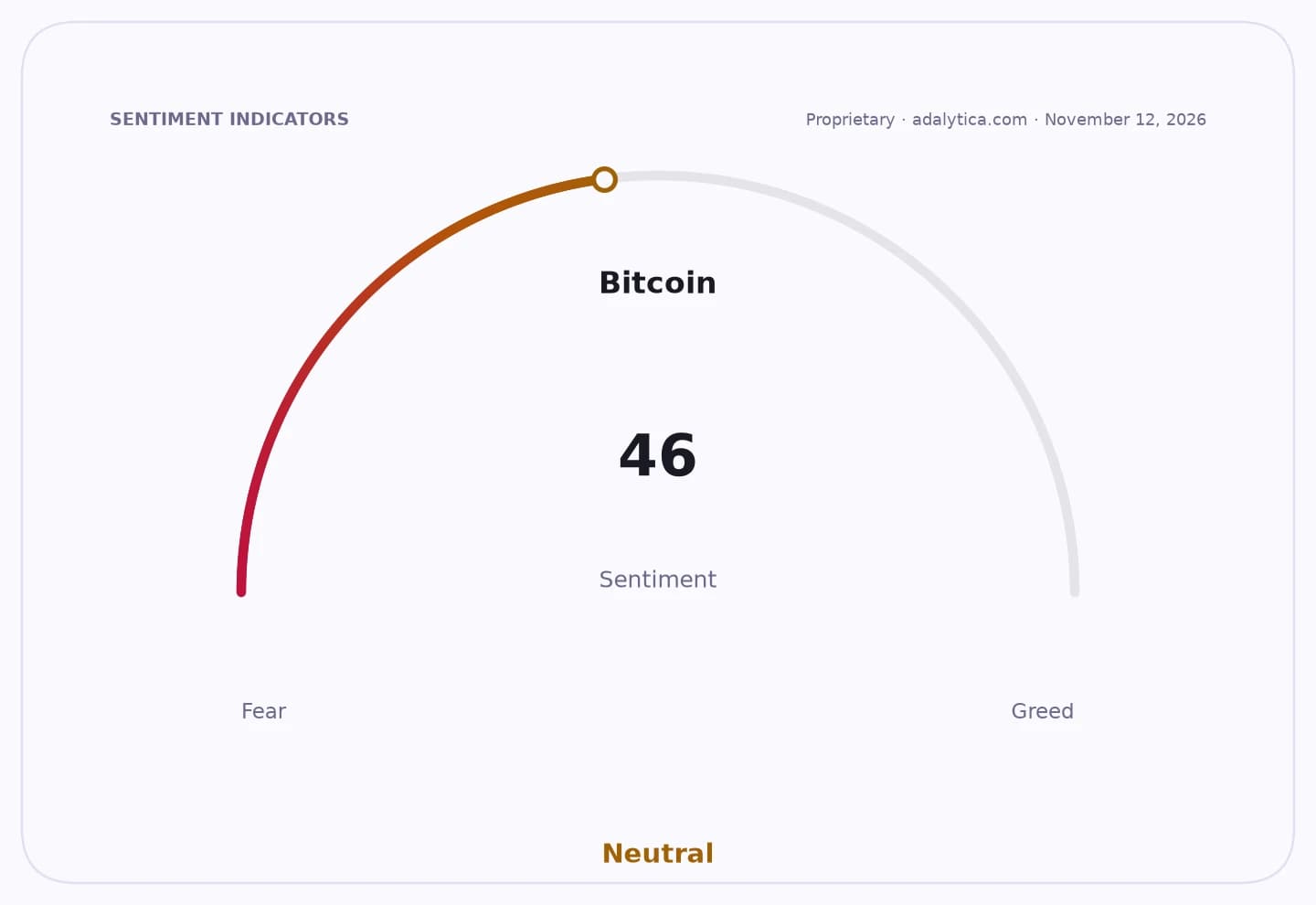
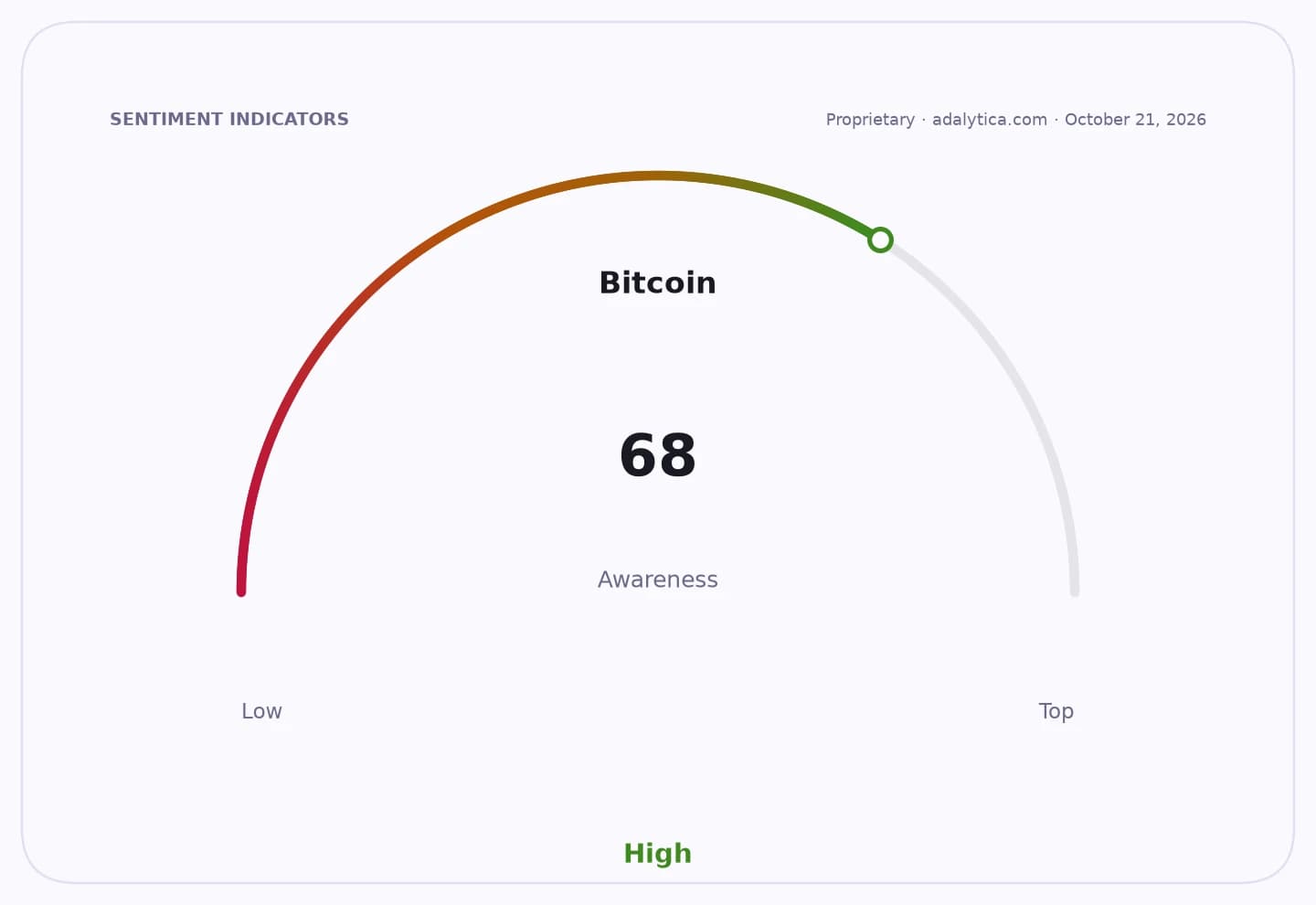
That focus comes as Bitcoin’s own sentiment picture remains cautious. Adalytica’s Bitcoin Fear & Greed Index shows neutral sentiment at 37, with awareness at 50, after a one-day drop of 5 points even as the seven-day reading improved by 26 points. The mixed backdrop suggests traders are active, but not fully committed, which makes broker selection more important for cost-sensitive flows.
At the stock level, the market has been punishing Coinbase much more than Interactive Brokers. Coinbase shares closed at $127.65 on Nov. 13, down sharply from $183.81 on Oct. 15 and well below its 50-day moving average of $170.39, with RSI readings around 28.9 pointing to oversold conditions. Interactive Brokers, by contrast, finished at $81.79, above its 200-day moving average of $83.03 and near its 50-day average of $85.10, suggesting a steadier setup even after recent weakness.
The gap reflects investor preferences for brokerage models that can withstand crypto volatility without being defined by it. Coinbase remains more directly exposed to trading volumes and digital-asset swings, while Interactive Brokers offers broader diversification across asset classes. That difference has become more important as the crypto market digests security concerns, including the recent Binance-linked $6.3 billion theft that has renewed scrutiny of exchange safeguards.
For investors, the key takeaway is that crypto exposure is no longer a single trade. The winners are platforms that combine low friction, strong compliance and enough product breadth to keep users active when Bitcoin is quiet and when it is moving fast.
The next catalyst is likely to come from any fresh regulatory response to exchange security, along with updates on trading volumes and fourth-quarter crypto activity. Until then, broker rankings may matter as much as coin prices for where the money goes next.
| Entity | Gains | Losses |
|---|---|---|
| Bitpanda | ▲More broker flows | ▼Smaller rivals |
| Interactive Brokers | ▲Diversified trading appeal | ▼Crypto-pure plays |
| Coinbase | ▲If volumes recover | ▼Fee-sensitive traders |
| Binance | ▲If security confidence returns | ▼Trust and market share |