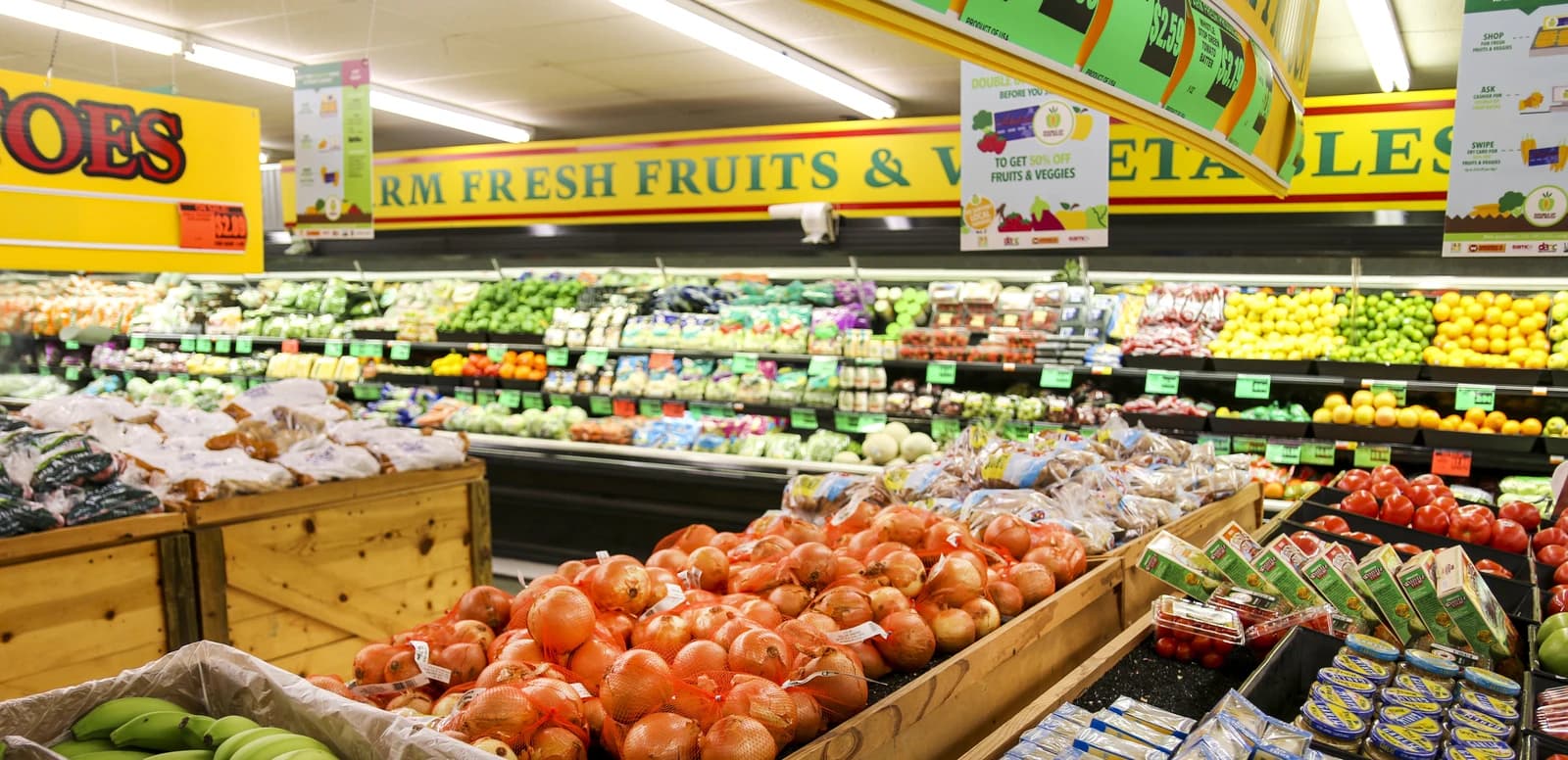
Coles is in talks with Ocado about trialling robot-run fulfilment centres inside supermarkets, a move that could speed up delivery times and lower the cost of processing online grocery orders as the Australian chain fights Woolworths for digital market share.
Coles Talks With Ocado on Robot Fulfilment Trial
The discussions are early stage and no commercial deal has been reached, but the plan points to a broader shift in grocery retail: supermarkets are trying to turn stores into hybrid hubs that can serve both walk-in shoppers and e-commerce customers more efficiently. That matters because online grocery remains one of the few growth channels in a mature, low-margin sector, and the winner is likely to be the retailer that can deliver faster without sacrificing margins.
For Coles, automation could reduce the labour intensity of picking and packing orders, an important lever when wages, logistics and delivery costs pressure profitability. It also would help the company defend against Woolworths, which is investing heavily in online fulfillment and has been pressing its lead in the category.
Ocado, the British technology and logistics company, would gain another potential customer for its warehouse automation systems, which it has been pitching to grocers looking to speed up order fulfilment. The discussions also fit into a wider retail trend as major supermarkets look for ways to use robots, software and better inventory systems to make delivery more economical.
Coles shares closed at A$23.10 on Thursday, while Ocado’s London-listed shares finished at 262.4 pence on Tuesday. Ocado shares have surged in recent months, with the stock trading well above its 50-day moving average, and the move has been accompanied by a high RSI reading that suggests strong momentum but also a stretched short-term run.
Investors will now be watching for confirmation of a pilot site in Melbourne, any capital spending commitments and whether the technology can be deployed without disrupting store operations. Any formal agreement with Ocado would sharpen the competitive stakes in Australian grocery and could set a template for wider rollout if the trial improves speed and economics.
| Entity | Gains | Losses |
|---|---|---|
| Coles | ▲Faster delivery; lower fulfilment costs | ▼Upfront tech and rollout risk |
| Woolworths | ▲Pressure to respond with more automation | ▼Loss of online edge if Coles executes |
| Ocado | ▲New potential client; licensing upside | ▼Depends on conversion from talks to contract |
| Store workers/manual pickers | ▲Less repetitive picking workload | ▼Automation threatens task volumes |