Zipline has vaulted to a $21.5 billion valuation after raising $1.5 billion and striking a much larger deal with Walmart to expand drone delivery to 300 U.S. sites, a sign that autonomous logistics is moving from pilot projects to a broader retail network.
Zipline raises $1.5B, expands Walmart drone delivery
The agreement is a major scale-up from the 21 active drone delivery sites the two companies currently operate and gives Walmart a bigger role in testing whether drones can cut last-mile costs, speed delivery and deepen customer loyalty without adding heavy labor and vehicle expense. For Zipline, the expansion turns a niche medical and emergency-delivery business into a more ambitious consumer logistics platform with a clearer path to recurring revenue.
The funding round was led by Paradigm, WCM Investment Management and Layer Global, with participation from investors including Fidelity Management & Research, Uber, Tiger Global, J.P. Morgan, ARK Invest and Salesforce Ventures. Zipline said the capital will help expand U.S. manufacturing facilities and hire more workers as it builds a nationwide drone delivery network.
The company’s momentum in the U.S. has accelerated since it won Federal Aviation Administration Part 135 air carrier certification in 2022, clearing a critical regulatory hurdle for long-range commercial drone deliveries. Since then, Zipline has added partners including Uber and widened its footprint beyond health care into food, retail and agricultural deliveries.
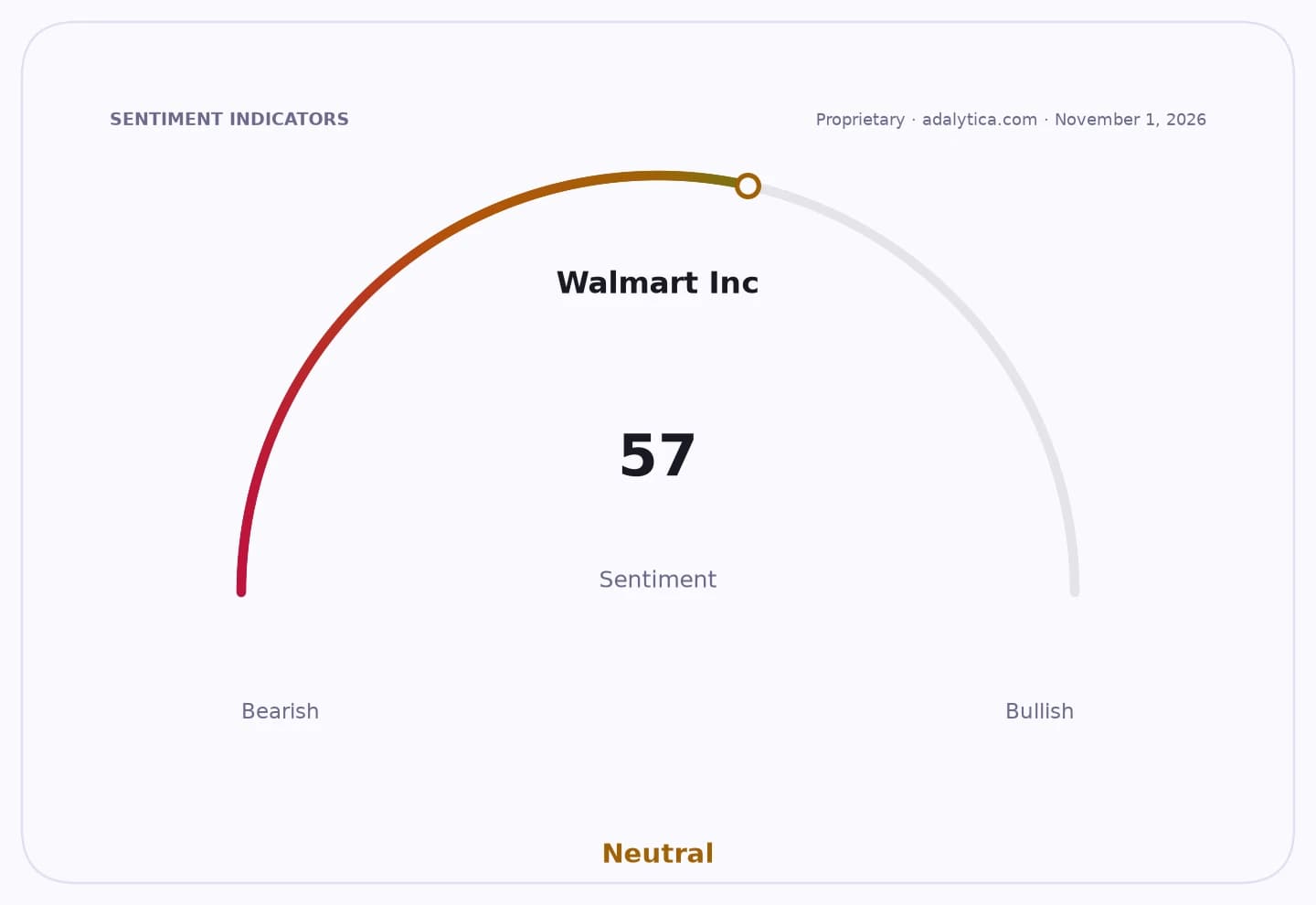
For Walmart, the deal reinforces its push to use faster and potentially cheaper delivery channels as it competes with Amazon and other retail rivals on speed and convenience. Walmart shares were last trading at $125.52, above the 50-day moving average of about $112.48 but also near the upper end of their recent range, with conventional RSI readings at 62.6 and a positive MACD, suggesting the stock has been supported by investor optimism around growth and technology-led logistics initiatives.
Zipline said its share of delivery revenue rose from 10.8% to 34.9% between March and October, underscoring that commercial adoption is no longer limited to small-scale trials. The key test now is whether Walmart can convert the new sites into enough volume to justify the buildout while regulators keep pace with a faster-growing drone economy.
| Entity | Gains | Losses |
|---|---|---|
| Zipline | ▲Higher valuation, larger rollout | ▼Execution risk from scaling |
| Walmart | ▲Faster delivery network, lower fulfillment costs | ▼Upfront rollout and operating costs |
| Amazon and rivals | ▲Pressure to match drone logistics | ▼Loss of speed advantage if Walmart scales |
| Retail customers | ▲Shorter delivery times | ▼Potential service disruptions during expansion |