Portugal’s Black Friday season is set to add almost 4,000 jobs in November, a reminder that holiday shopping still has a very real impact on the economy, even in a world of automation and online ordering.
Portugal Black Friday Hiring Adds 3,943 Jobs
That matters because this is not just a retail story. It is a short-term lift for employment, logistics and consumer activity at a time when businesses are preparing for a surge in orders from Black Friday, Cyber Monday and the Christmas run-up. Randstad expects 3,943 new jobs across commerce, transport and warehousing, a 0.41% increase from October that would lift employment in those sectors to more than 958,700 workers.
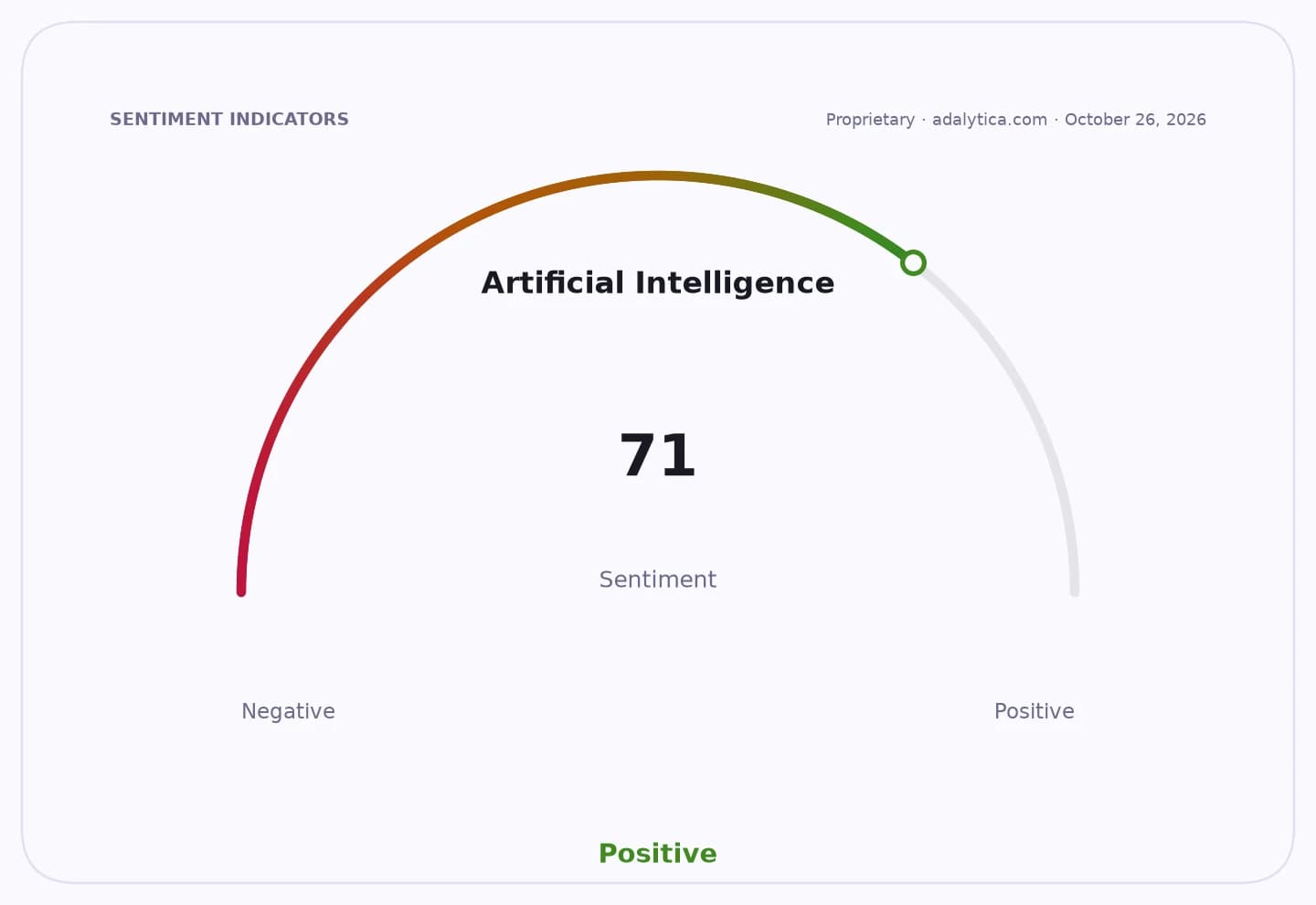
Sentiment Indicators
For investors, the message is simple: seasonal demand still creates operating leverage. Retailers and delivery firms need more staff to keep shelves stocked, orders moving and returns under control when consumers crowd into year-end promotions. That tends to help not only large stores and e-commerce platforms, but also the logistics networks behind them, from warehouses to last-mile delivery.
The bulk of the hiring is expected in wholesale and retail trade, where Randstad sees 3,433 new positions, followed by 511 jobs in transport and warehousing. In other words, the real economic engine here is the supply chain. More than 86% of Portuguese consumers plan to shop during Black Friday, according to the staffing company, which helps explain why employers are moving early to add workers before volumes spike.
This is a familiar seasonal pattern, but one with broader significance. Over the past 12 years, employment in these sectors has risen by an average 0.45% between October and November, suggesting this year’s outlook is close to normal rather than a one-off surge. That kind of consistency matters for businesses trying to manage labor costs, and for workers who often use temporary holiday roles as a bridge into longer-term employment.
There is also a productivity angle investors should not ignore. Randstad says technology cannot replace the physical and mental strain of packing and distributing millions of orders under tight deadlines. That is a useful reminder that even as warehouses automate, labor remains a bottleneck during peak seasons. Companies that can recruit, train and retain workers efficiently are more likely to protect margins and customer service when volumes rise.
For long-term investors, the better takeaway is not to chase a one-month hiring bump, but to watch which companies turn seasonal demand into durable operating strength. Retailers with strong omnichannel models, disciplined inventory control and efficient delivery networks are best positioned to convert holiday traffic into repeat business. The Black Friday hiring wave is worth watching because it shows where demand is strongest and where execution still matters most.
| Entity | Gains | Losses |
|---|---|---|
| Portuguese retailers | ▲More holiday sales capacity | ▼Higher temporary labor costs |
| Logistics and delivery firms | ▲More seasonal volume | ▼Operational strain |
| Temporary workers | ▲Short-term job openings | ▼Limited job security |
| Consumers | ▲Faster service and delivery | ▼Higher competition for deals |