Brazil is set to move a step closer to restricting the long-running 6x1 work schedule, a politically sensitive labor reform that could raise staffing costs for employers and reshape shift planning across retail, services and other labor-intensive industries.
Brazil to publish 6x1 work-schedule decree
Labor Minister Luiz Marinho said the decree ending the 6x1 shift should be published next Monday and that the regulation will give companies flexibility to organize shifts. The timing matters because the 6x1 model — six workdays followed by one rest day — is deeply embedded in Brazil’s formal labor market, and any move to curtail it could force employers to hire more staff, redesign rosters or absorb higher overtime bills.
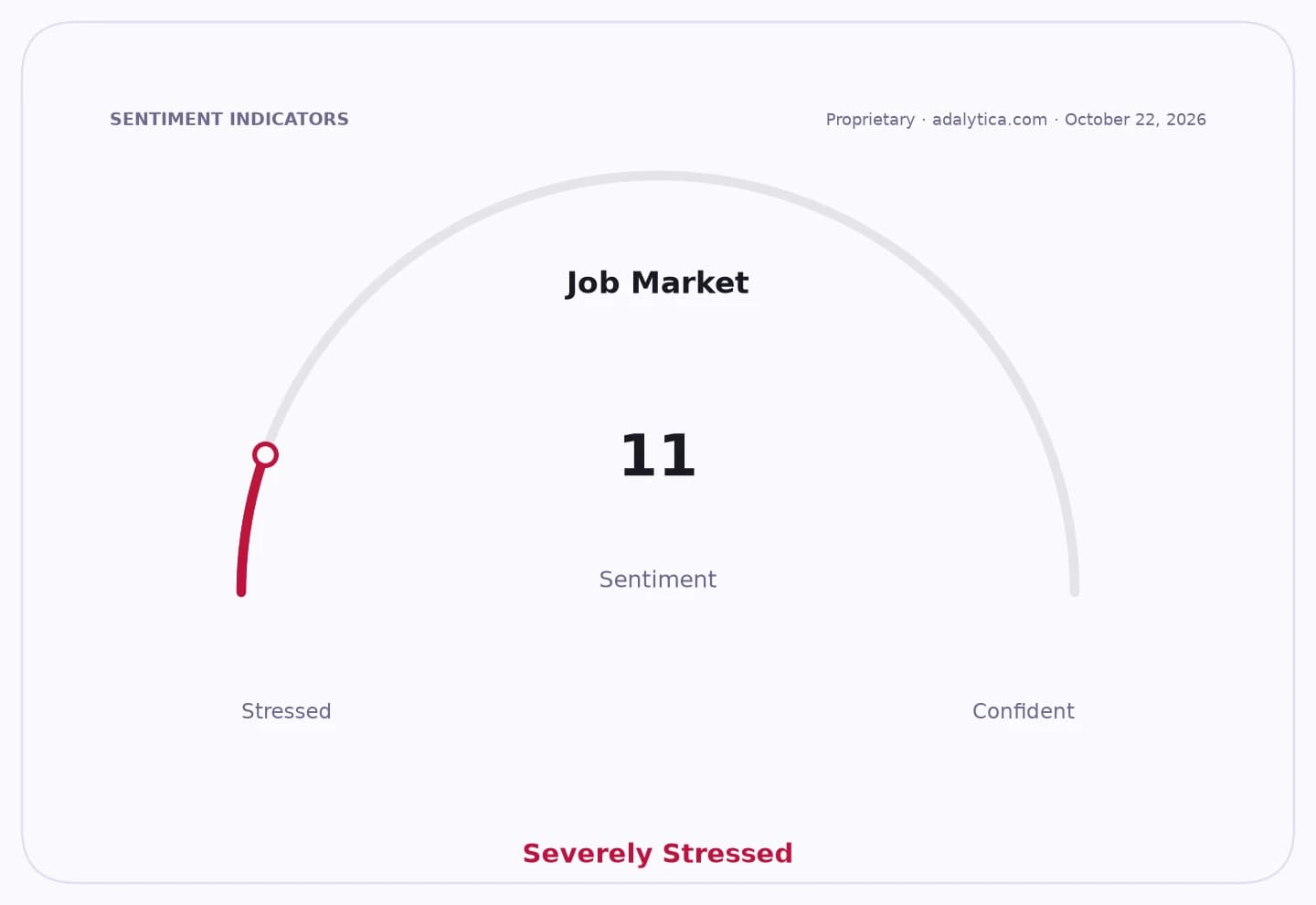
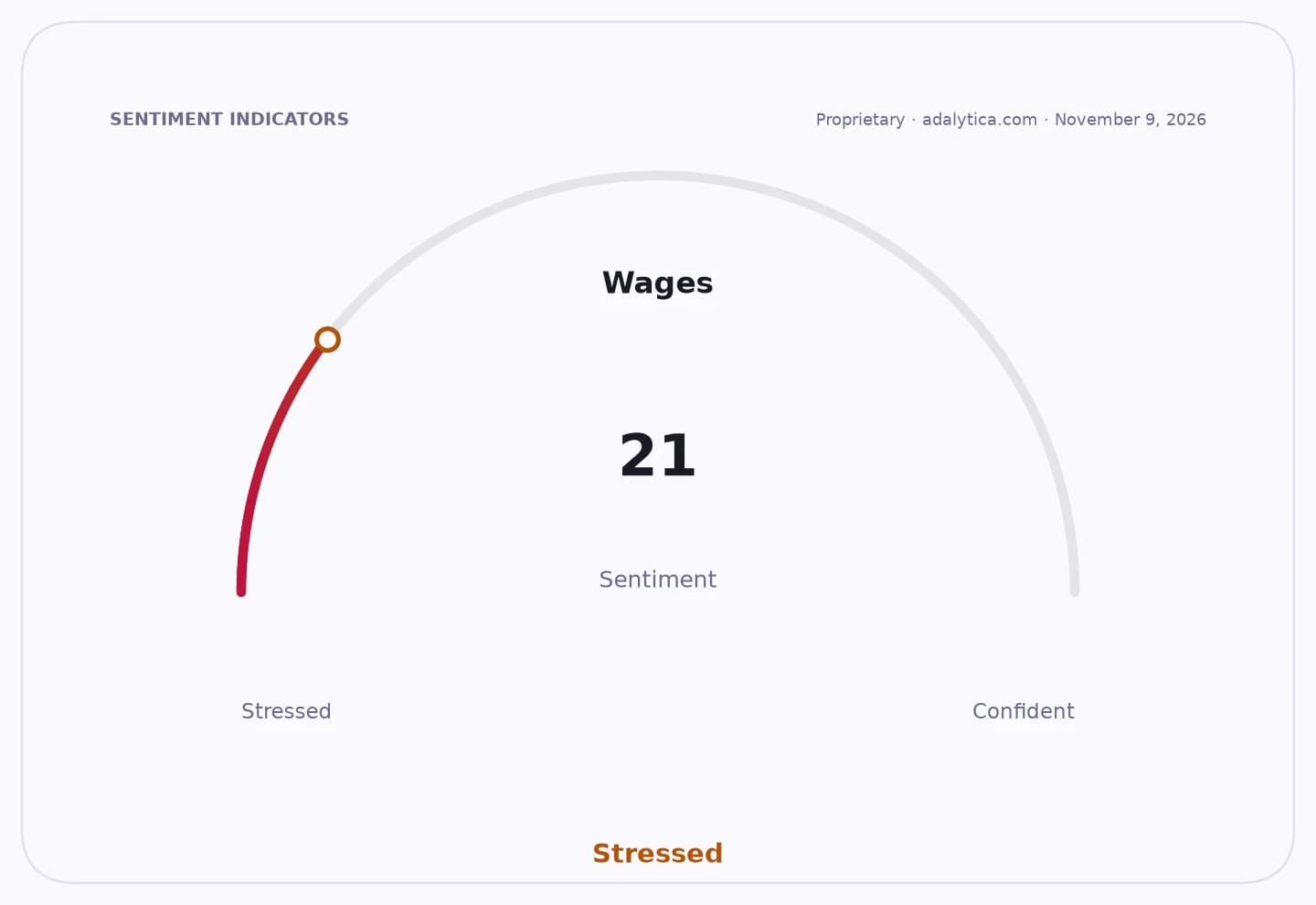
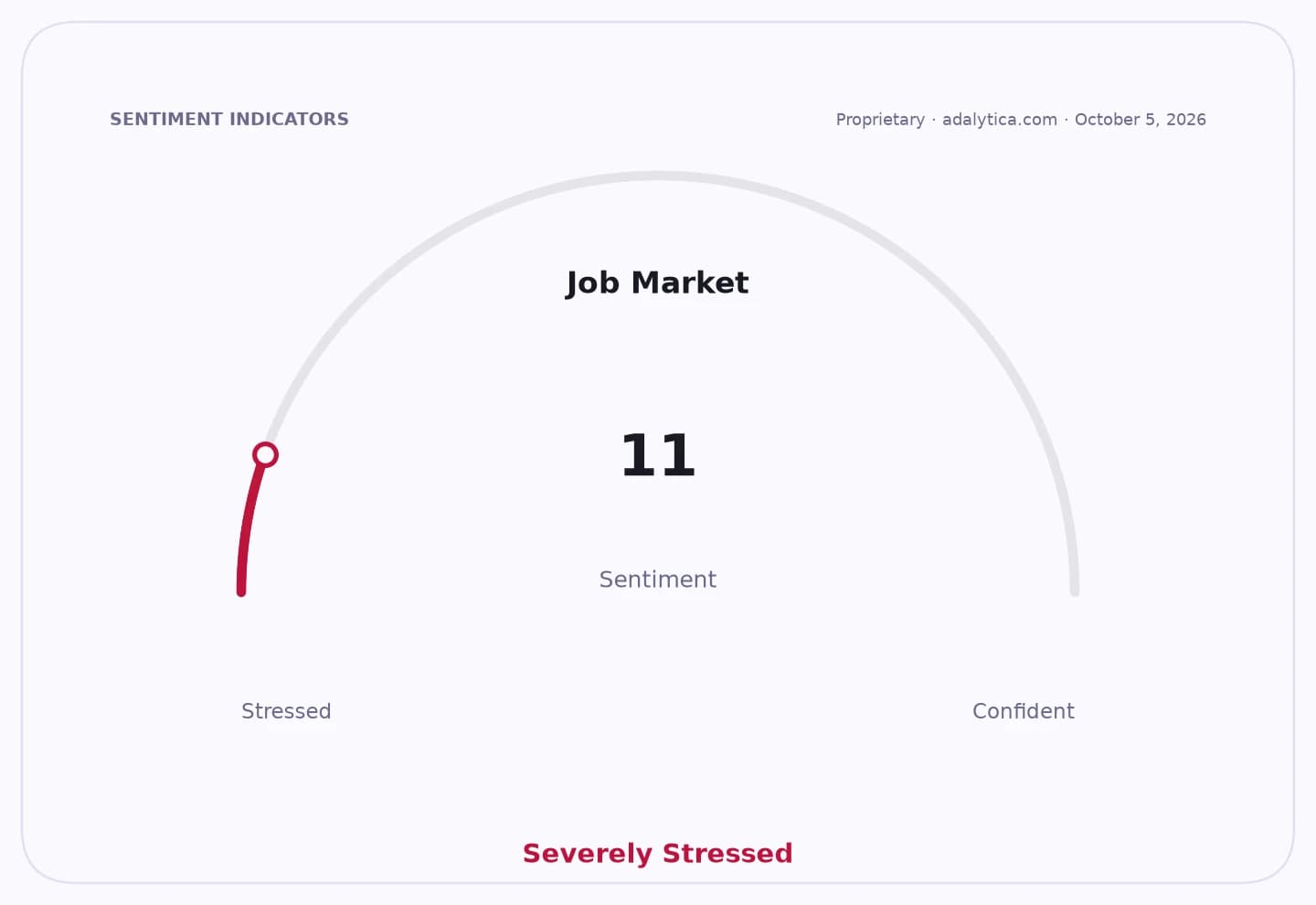
Sentiment Indicators
For workers, the measure is being framed as a quality-of-life gain after years of pressure over long hours and inadequate rest. For businesses, it lands at a delicate moment. Brazil’s unemployment rate has held around 4.1% to 4.2% in recent months, near the lower end of its historical range, while job openings remain tight enough that employers in low-experience roles are already struggling to attract labor. That combination leaves firms with less room to offset a shorter shift regime by simply expanding headcount at lower cost.
The policy debate also comes against a backdrop of labor unrest and a broader push to improve incentives for workers returning to the formal economy. In that environment, a decree that prioritizes flexibility may be designed to soften the blow to employers while still signaling a pro-worker stance. But flexibility alone may not remove the economic friction: retailers, restaurants, logistics operators and consumer-facing chains typically rely on staggered shifts to cover weekends and peak hours, and any mandated rest-day change could ripple through payrolls and service levels.
Investors will be watching for the exact wording of the decree and whether it creates a hard cap, a phased transition or carve-outs for specific sectors. A strict version would likely be read as margin-negative for companies with dense frontline staffing needs, while a more permissive framework could limit near-term earnings pressure but still point to slower labor efficiency gains. The market implication is less about a single announcement than a broader re-pricing of labor costs in an economy where formal hiring is already constrained.
The most immediate winners are workers seeking shorter schedules and stronger bargaining power. The clearest losers would be labor-intensive employers that depend on standardized six-day rotations to keep stores open and costs contained.
| Entity | Gains | Losses |
|---|---|---|
| Workers | ▲More rest time | ▼Less predictable scheduling |
| Labor-intensive employers | ▲Transition flexibility | ▼Higher staffing costs |
| Retail and services | ▲Potentially clearer rules | ▼Margin pressure |
| Job seekers | ▲Better bargaining power | ▼Fewer shift-based openings |