Inflation above 3% is keeping investors focused on companies that can raise prices without losing customers, and Colgate-Palmolive, Coca-Cola and Procter & Gamble are showing they can still do it.
Colgate, Coca-Cola, P&G Gain on Pricing Power
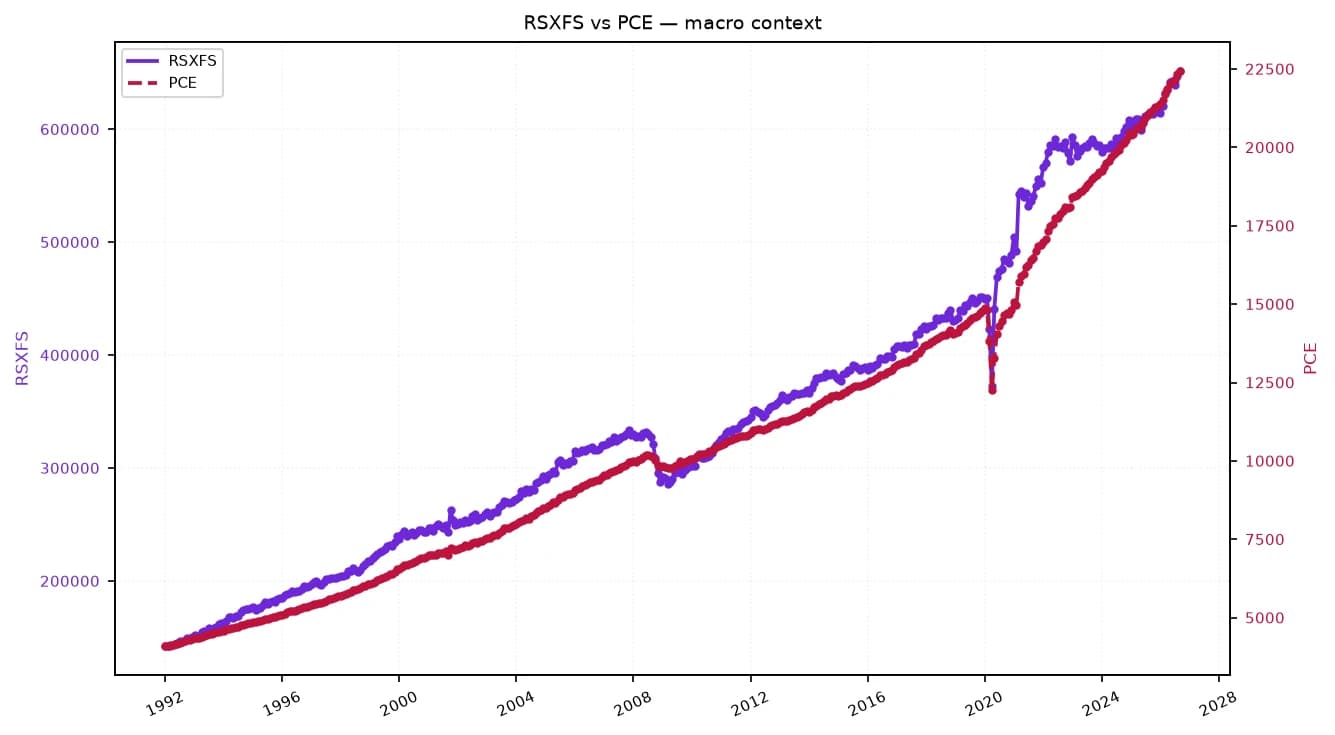
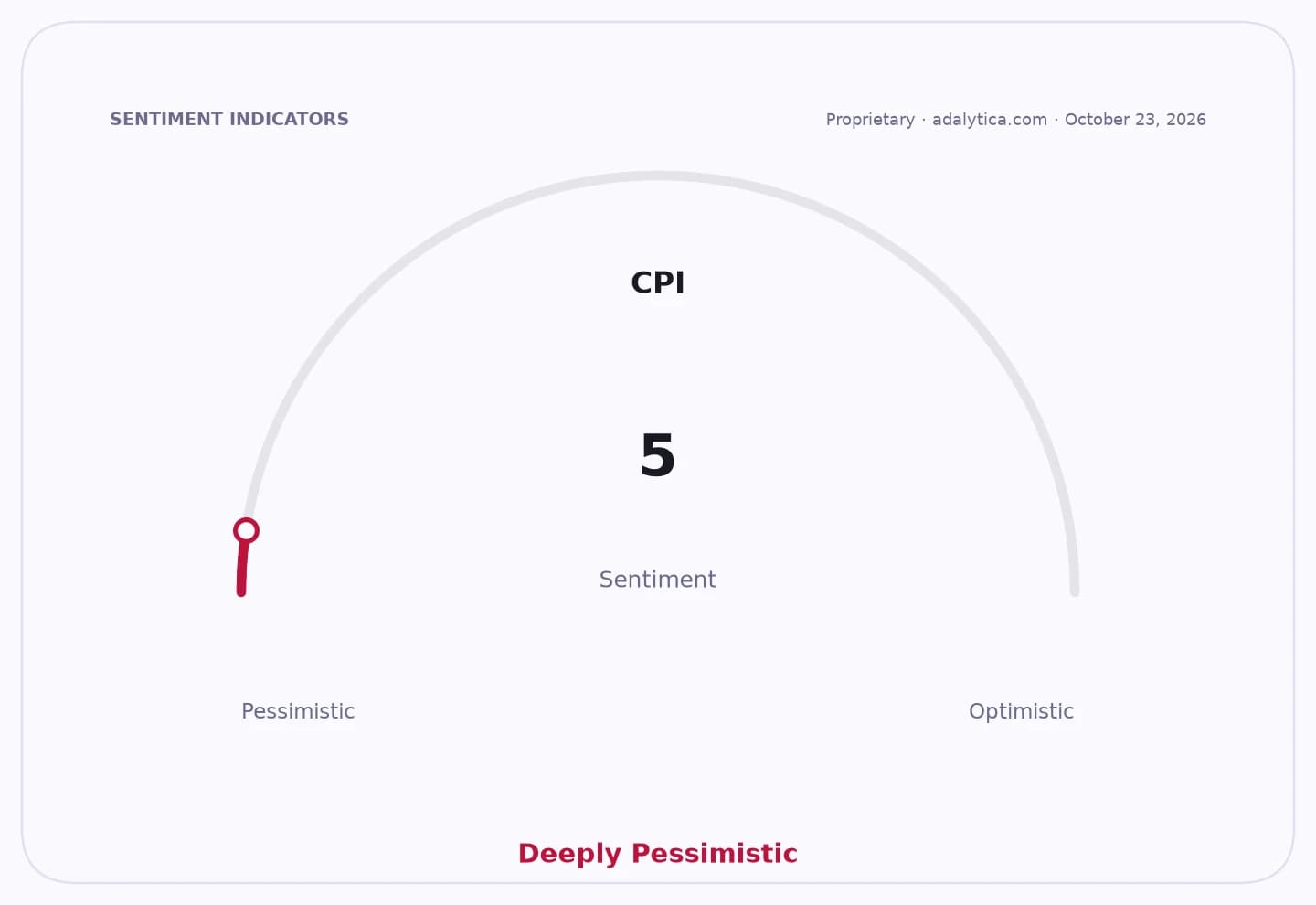
That matters because persistent price pressure can erode household spending, squeeze margins and weaken dividend coverage at companies that rely on everyday purchases. The latest CPI reading showed consumer prices up 3.7% year over year, while the Fed funds rate sits near 3.75% and markets are still weighing how long inflation will stay sticky.
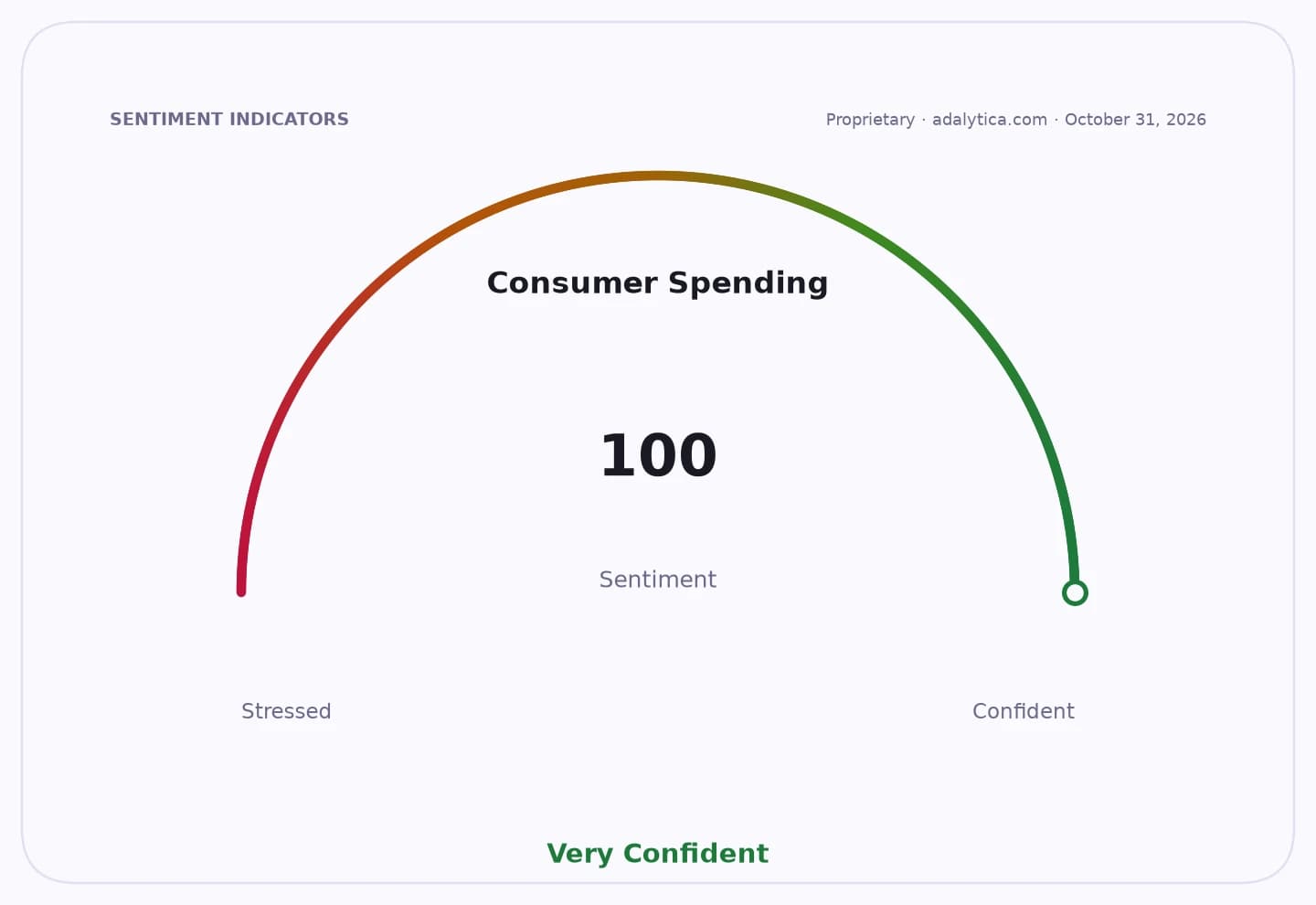
Sentiment Indicators

Colgate is the clearest proof point. The maker of toothpaste, soap and household cleaners said organic sales rose 3.6% in the third quarter, with pricing adding 2.0% and volume adding 1.7%, meaning shoppers kept buying even after price increases. Base business gross margin widened 90 basis points to 60.3%, adjusted EPS of 97 cents beat estimates, and management lifted its full-year base business EPS growth outlook to 5% to 7%.
Coca-Cola is showing the same pattern at a larger scale. The beverage giant said it gained value share for a 22nd straight quarter and raised full-year free cash flow guidance to at least $13 billion, underscoring how its brands continue to command shelf space and pricing discipline. Coca-Cola’s price/mix benefited from inflationary pricing in its latest quarter, and the stock has held above both its 50-day and 200-day moving averages.
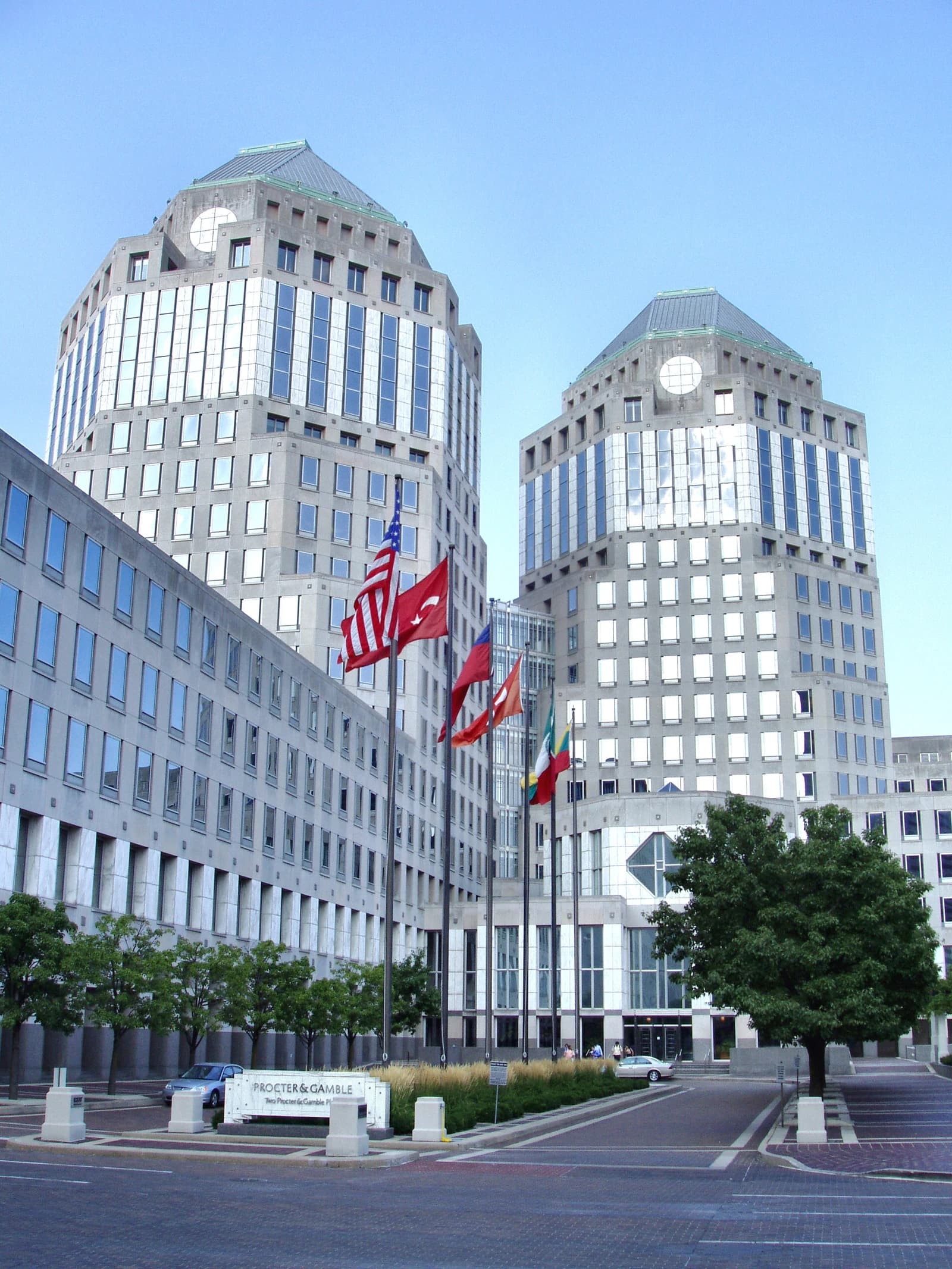
Procter & Gamble brings the dividend angle into sharper focus. The consumer staples giant has raised its dividend for 70 straight years, and investors have bid the shares higher as the stock traded well above its 50-day and 200-day moving averages. P&G and its peers are attractive in a high-inflation backdrop because their products are necessities, not discretionary buys, and that gives them room to preserve margins even when input costs rise.
The trade has also been reinforced by market action. P&G shares have climbed from the mid-140s earlier this year to about $165, while Coca-Cola has rallied to roughly $95.67 after spending much of the summer in the 80s, and PepsiCo has rebounded sharply as well after an earlier slide. For income investors, the message is straightforward: companies with durable brand power and repeat demand are better positioned to defend dividends when inflation remains elevated.
The next test is whether inflation keeps easing or stays stubbornly above target. If price growth remains sticky, investors are likely to keep favoring consumer staples with the rare combination of pricing power, cash generation and long dividend records.
| Entity | Gains | Losses |
|---|---|---|
| Colgate-Palmolive | ▲margin expansion, pricing power | ▼cost-sensitive rivals |
| Coca-Cola | ▲free cash flow, value share gains | ▼brands with weaker pricing power |
| Procter & Gamble | ▲dividend appeal, defensive demand | ▼discretionary consumer names |
| Inflation-sensitive consumers | ▲limited relief from higher prices | ▼purchasing power |