South Korea’s inflation stayed stuck near 3% for a sixth straight month in October, driven by faster gains in processed food and dining-out prices that underscore how stubborn everyday cost pressures remain for consumers and companies alike.
South Korea Inflation Stays Near 3% in October
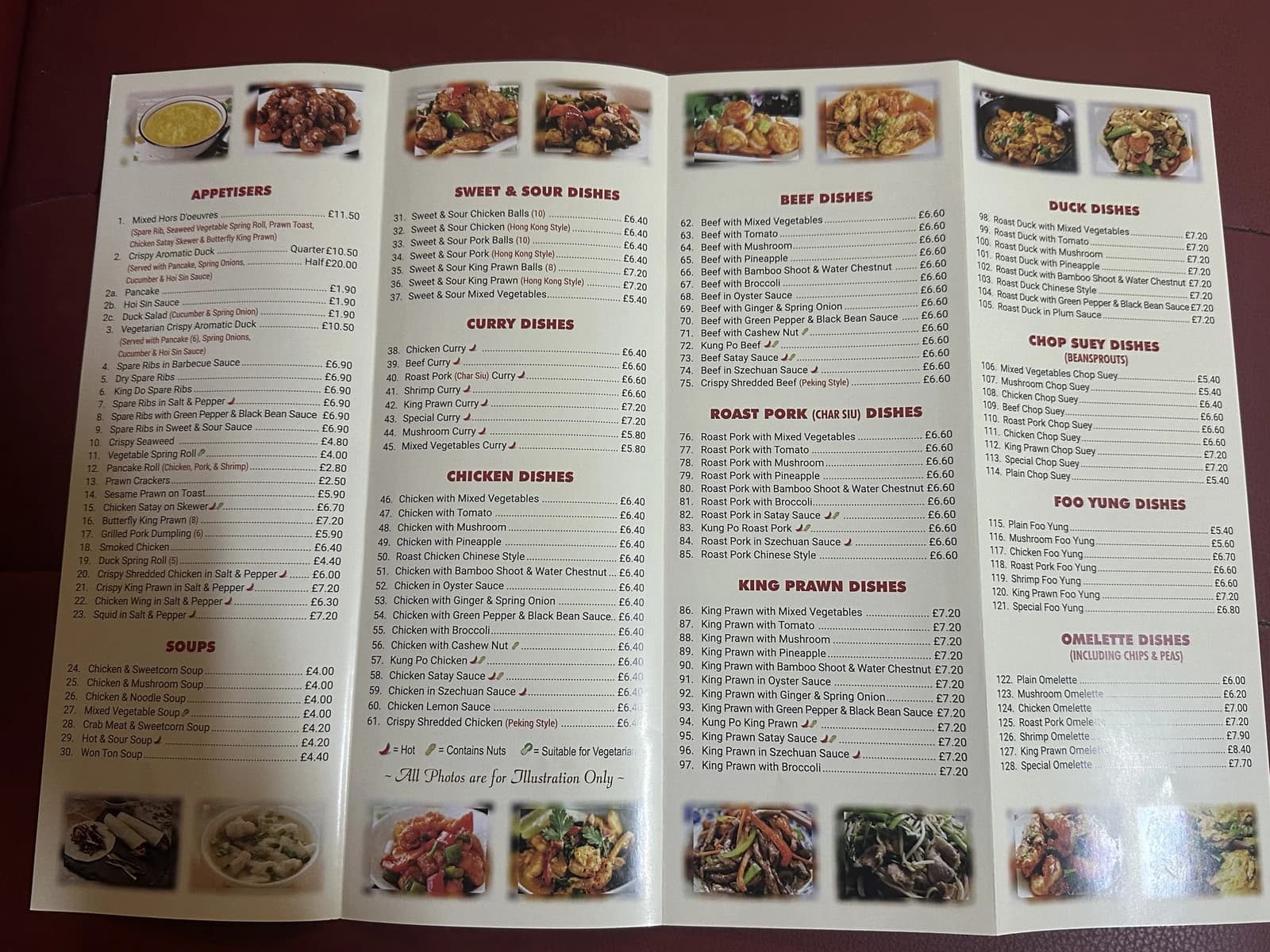
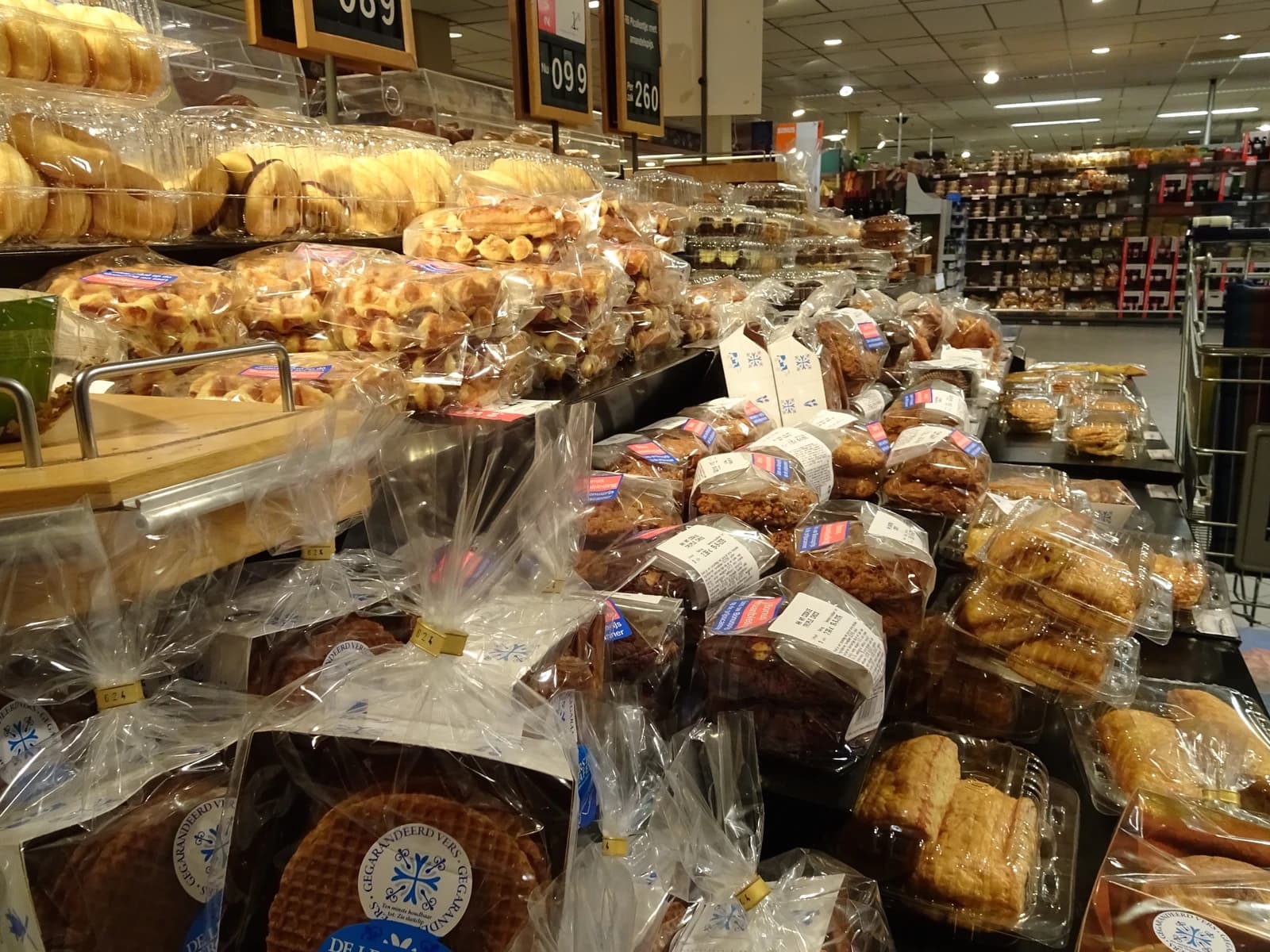
The consumer price index rose 2.8% from a year earlier, the statistical office said, with processed food prices up 2.9% and restaurant prices also climbing 2.9%, both the fastest pace in months. That matters because it is the kind of inflation households feel most directly: grocery bills and eating out costs hit discretionary spending, while sticky services inflation makes it harder for policymakers to declare victory over price pressures.
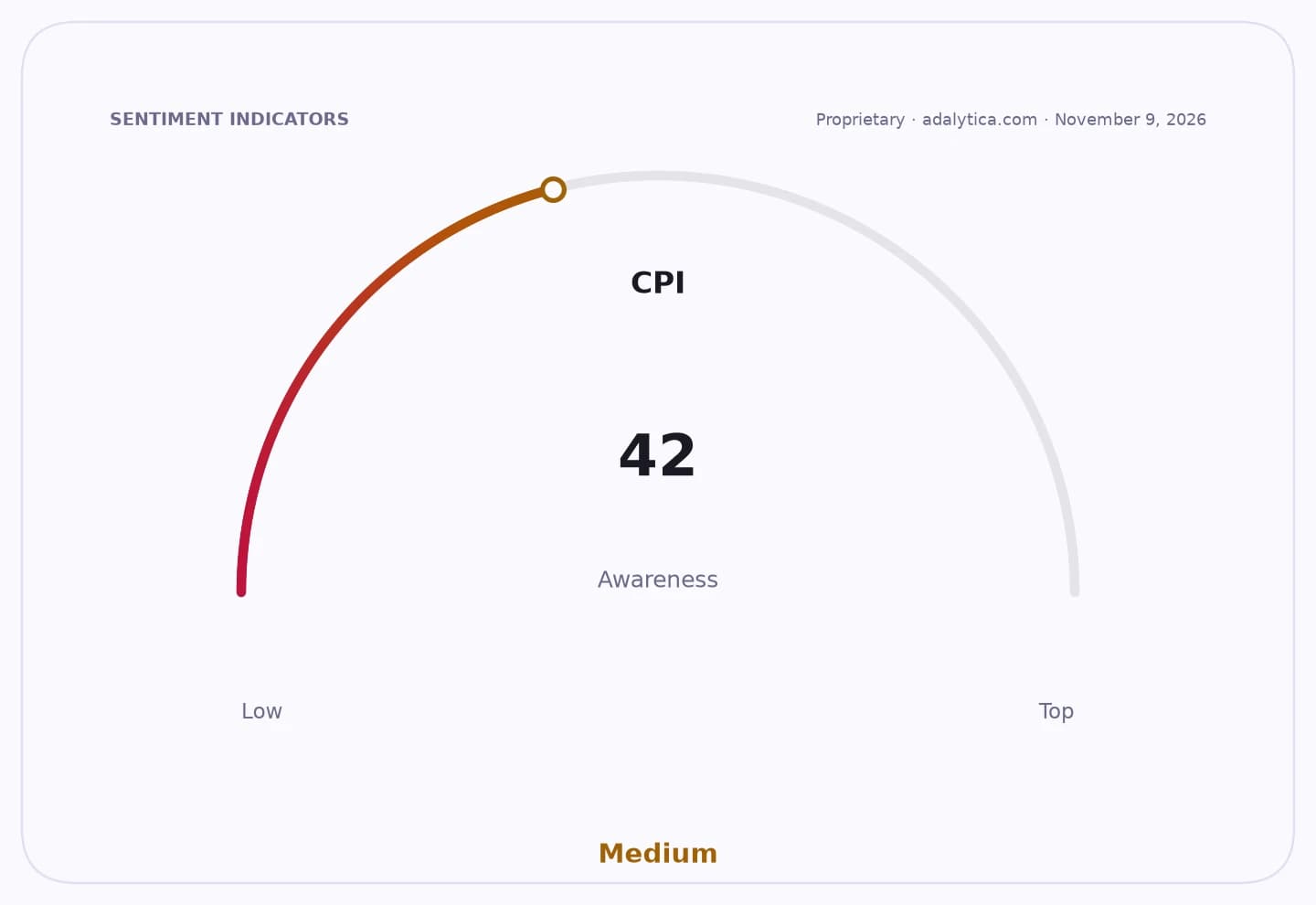
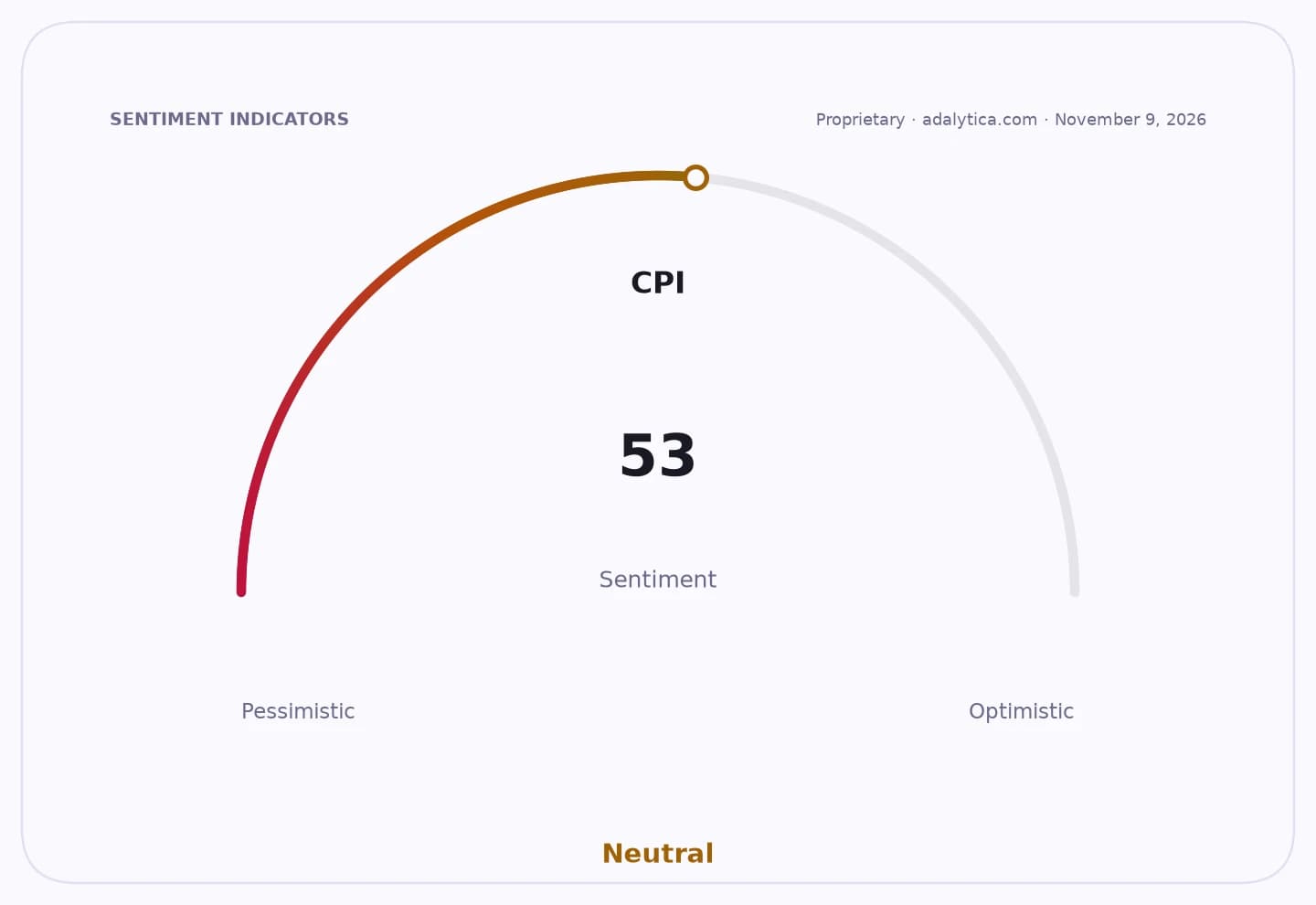
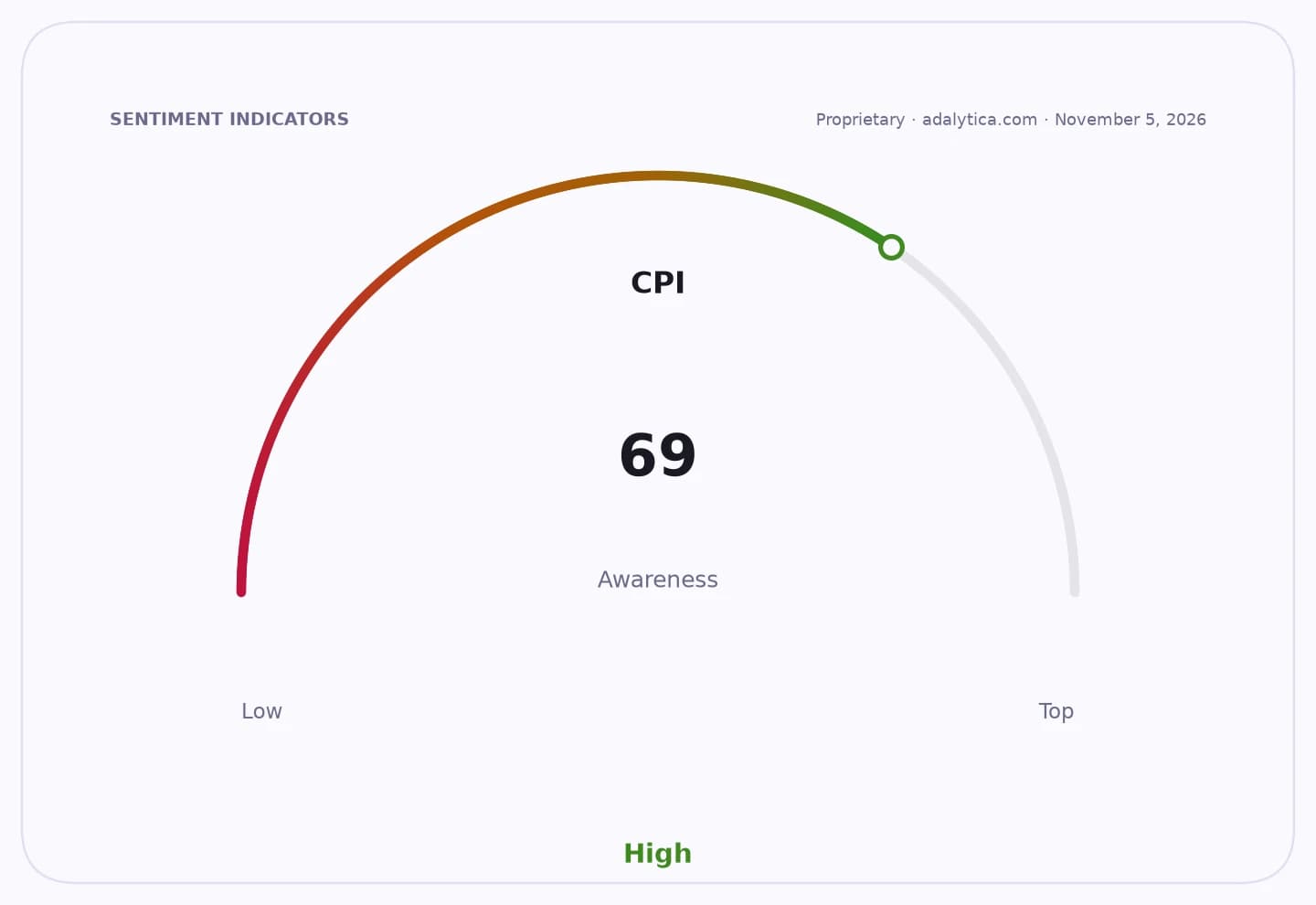
Sentiment Indicators
Energy and fuel remain an added squeeze. Petroleum products jumped 14.9% on the year, lifting the overall index by 0.56 percentage point, while LPG prices also accelerated as global prices fed through. Even where goods inflation eased, the mix was not reassuring. Fresh food prices fell 6.2%, but that was offset by broad-based strength in processed foods, meat and fish, suggesting supply-side cost pressure is still working its way through the economy rather than fading cleanly.
For investors, the message is straightforward: inflation is no longer just a macro headline, it is a margin story. Consumer staples, restaurant chains and food distributors face a tougher balancing act between passing on higher input costs and protecting demand. Companies with pricing power can benefit, but those exposed to volume weakness or cost inflation may see earnings pressure deepen if households keep trading down.
CPI
That is why the stock reaction matters as much as the data itself. In the U.S., packaged-food names such as Conagra Brands, Smucker and Campbell have already been punished and rewarded in turn as markets reassess who can defend margins in a higher-cost environment. In Korea, the same playbook applies: investors should favor firms with strong brands, supply-chain leverage and the ability to reprice faster than peers.
The broader implication is that inflation may be cooling in some categories, but not in the parts that shape consumer sentiment and corporate profits. If food and restaurant prices keep climbing into year-end, policymakers will have less room to ease, while equity investors will keep rotating toward names that can turn inflation into pricing power rather than margin erosion.
| Entity | Gains | Losses |
|---|---|---|
| Food brands with pricing power | ▲Protect margins | ▼Consumer pushback |
| Restaurant chains | ▲Pass through higher costs | ▼Traffic-sensitive demand |
| Household consumers | ▲— | ▼Higher living costs |
| Input-cost heavy grocers | ▲Inventory repricing upside | ▼Margin squeeze |