Colombia is widening its push to bring artificial intelligence into classrooms, with more than 12,000 teachers and school leaders enrolling in a national training route as the government tries to prevent AI from deepening education inequality.
Colombia expands AI training in schools
Artificial Intelligence
The effort matters because the biggest bottleneck in school AI adoption is no longer access to tools alone, but whether educators can use them safely, critically and at scale. For investors and tech companies, that creates a longer runway for education software, digital infrastructure and training providers across Latin America, where public systems are now testing how AI can cut costs and expand access.
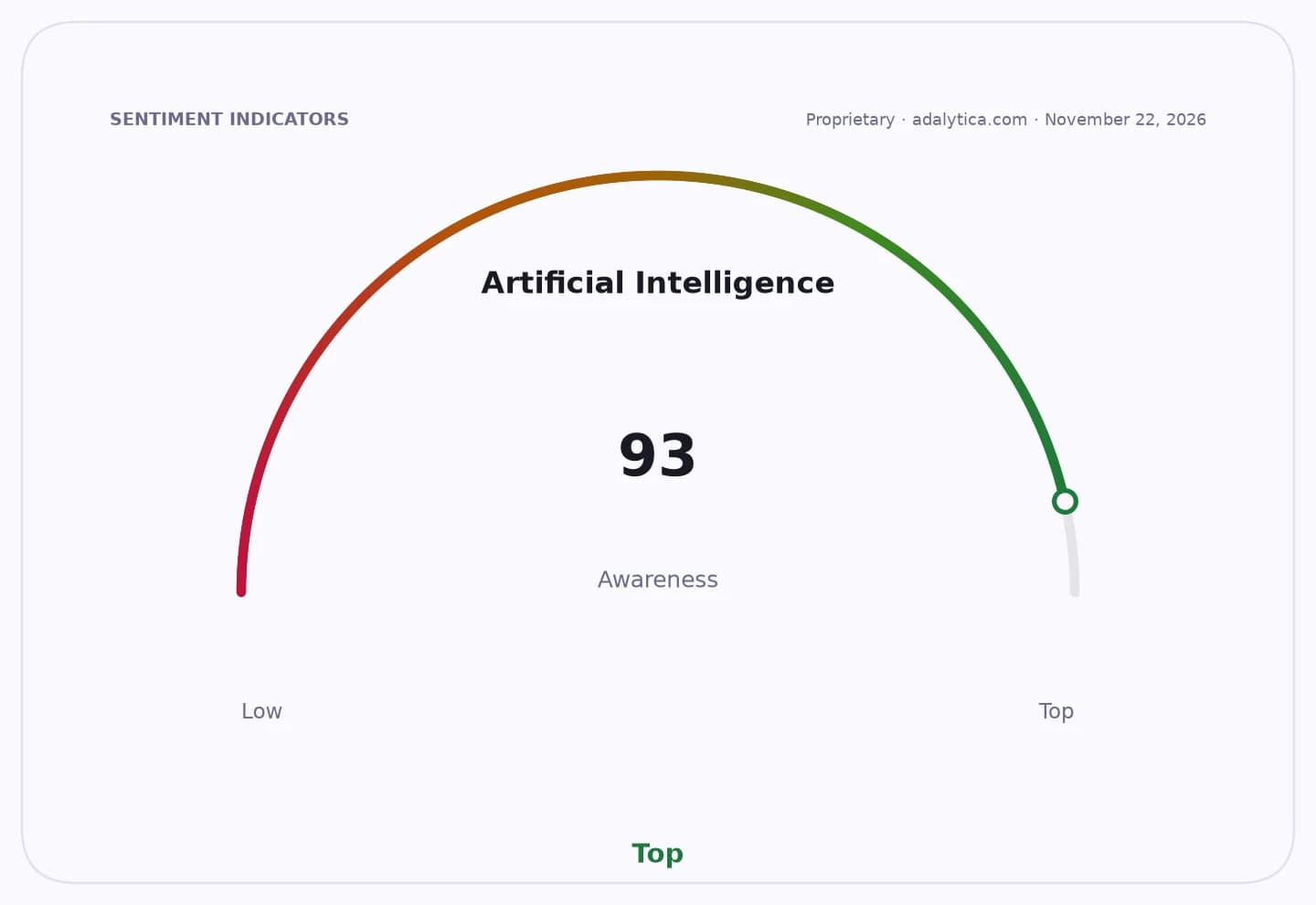
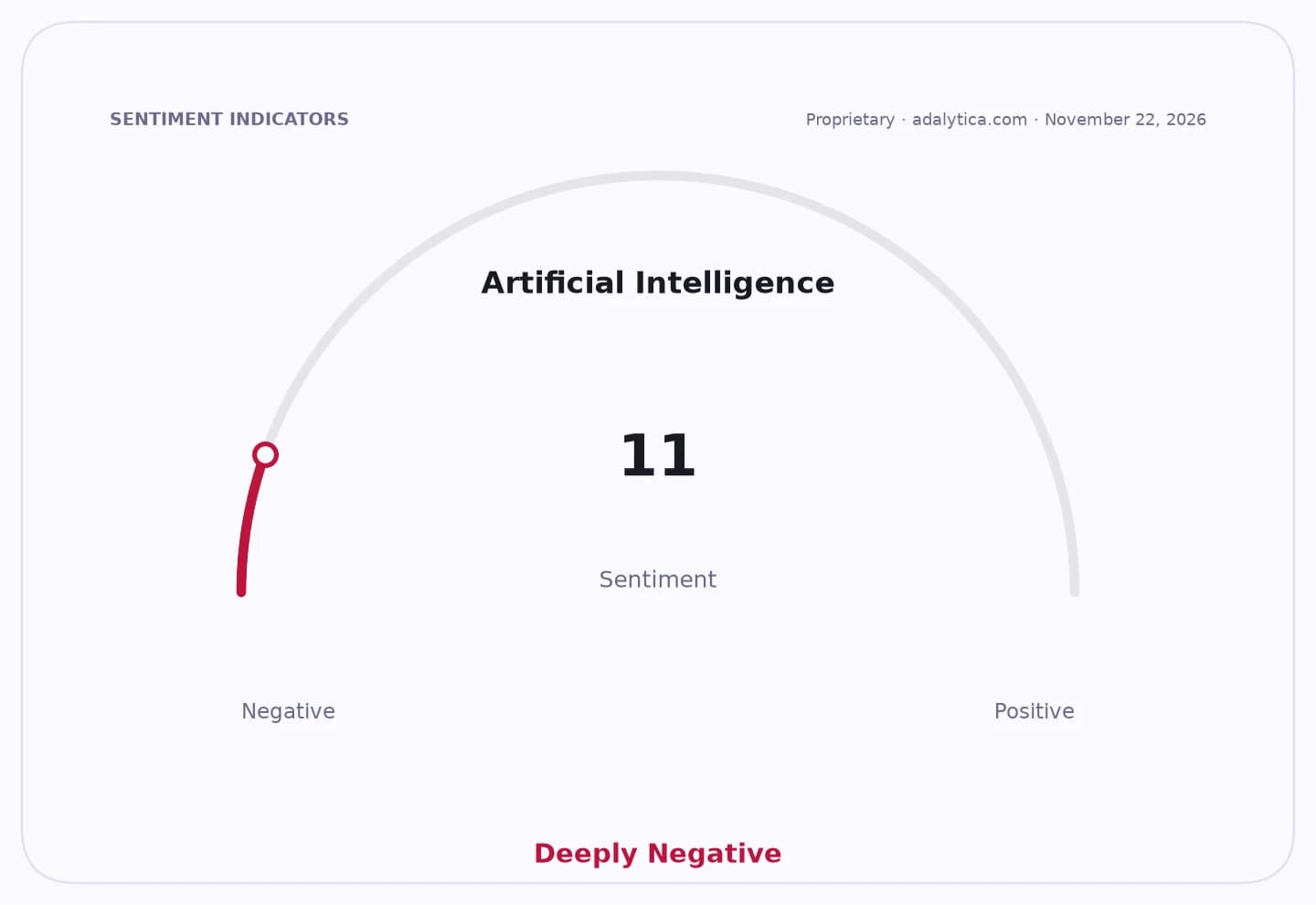
Sentiment Indicators
The enrollment figure comes from Computadores para Educar, which said 12,030 educators signed up for the program in October 2026. The initiative is split into basic, intermediate and advanced levels and has support from the MIT, Unesco, the Shaia Foundation and Universidad EAFIT.
Officials are teaching fundamentals of AI, conversational assistants, prompt writing, bias detection and the building of tools tailored to each school’s needs. The program reaches 4,288 schools across 959 municipalities, underscoring that the policy is aimed well beyond major cities and into regions where connectivity and device access remain uneven.
The move builds on a broader education push already underway. Colombia’s ImpActo Maker strategy certified 22,612 participants in 2025, including 7,995 teachers and 14,617 students, according to the Education Ministry, while Fundación Telefónica Movistar is also offering free certified courses on AI and tools such as ChatGPT.
The policy backdrop is a regional race to formalize AI in education. A June 2025 ProFuturo-OEI report identified 26 active AI education initiatives across Latin America, including four in Colombia, from language-learning platform Leah to Platzi’s labor-skills training and exam-prep tools from OE Saber and Magnus Learning.
For markets, the immediate read is less about direct revenue and more about demand creation. As schools and ministries train teachers, procurement needs grow for digital learning platforms, content tools, tutoring systems and secure classroom-facing AI products, while the winners will be providers that can prove accuracy, data protection and measurable learning gains.
The risk is that patchy infrastructure leaves rural schools behind, turning AI into another divider instead of an equalizer. The next test for Colombia will be whether the training rollout translates into classroom use, better student outcomes and sustained investment in connectivity and devices.
| Entity | Gains | Losses |
|---|---|---|
| Colombian teachers | ▲AI skills and classroom tools | ▼Less prep time without support |
| Students in urban schools | ▲Faster access to digital learning | ▼Less than schools with better devices |
| Rural schools | ▲Tailored training outreach | ▼Exposed to connectivity gaps |
| Edtech providers | ▲Higher demand for platforms | ▼Pressure to prove impact |