Brazil’s President Luiz Inácio Lula da Silva is putting Big Tech regulation and a homegrown artificial intelligence strategy at the center of his next term, a move that could reshape how the country’s digital economy grows, where data is stored and who gets to profit from it.
Brazil Tech Regulation and AI Strategy Under Lula
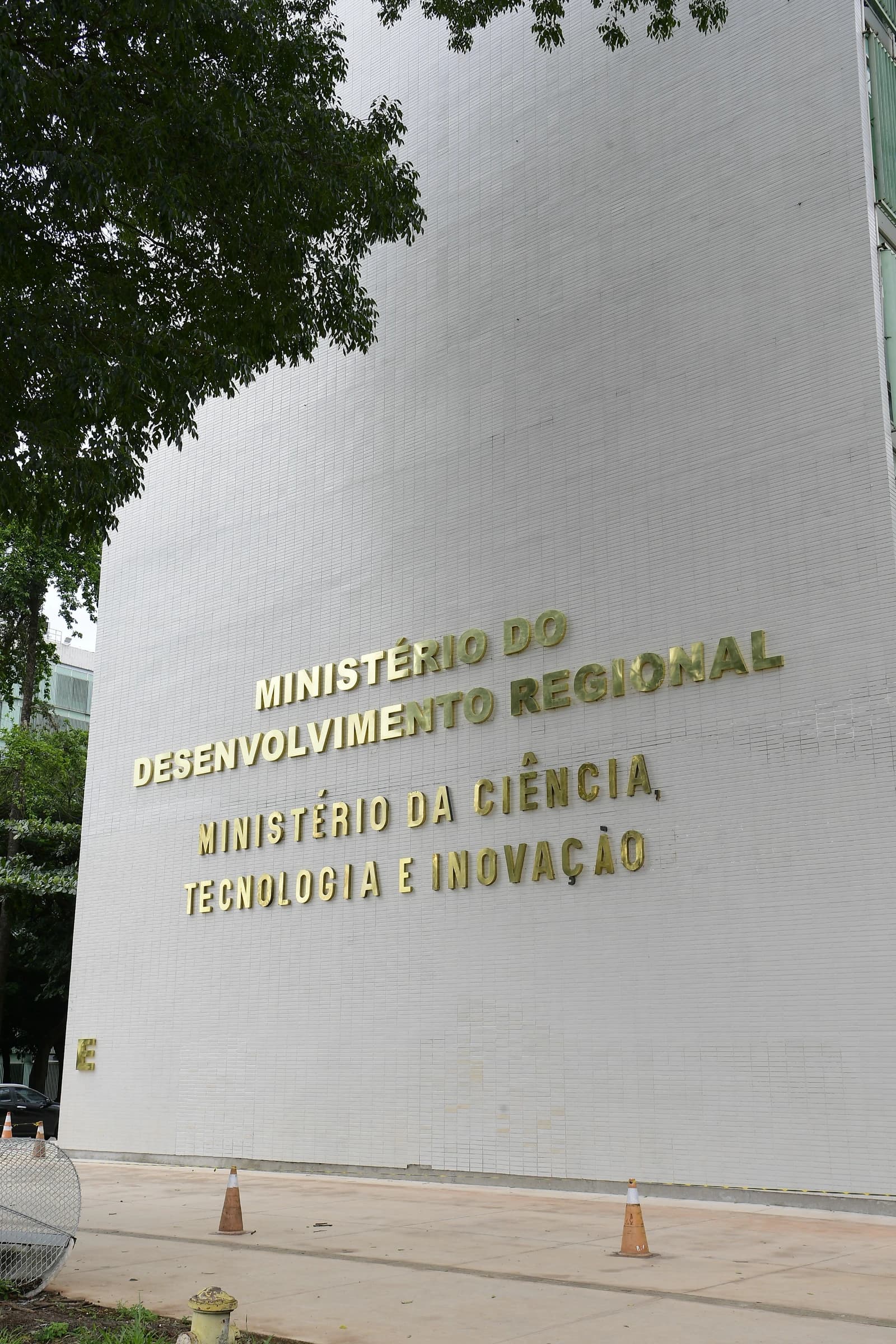
That matters because Brazil is not just another large emerging market talking about tech sovereignty. It is one of the region’s biggest consumer economies, a major battleground for social media moderation and digital advertising, and a potential hub for data centers thanks to its renewable power base. If Lula gets even part of this agenda through Congress, the winners and losers could extend well beyond Brasília to Alphabet, Meta, Microsoft and the broader cloud and AI ecosystem.
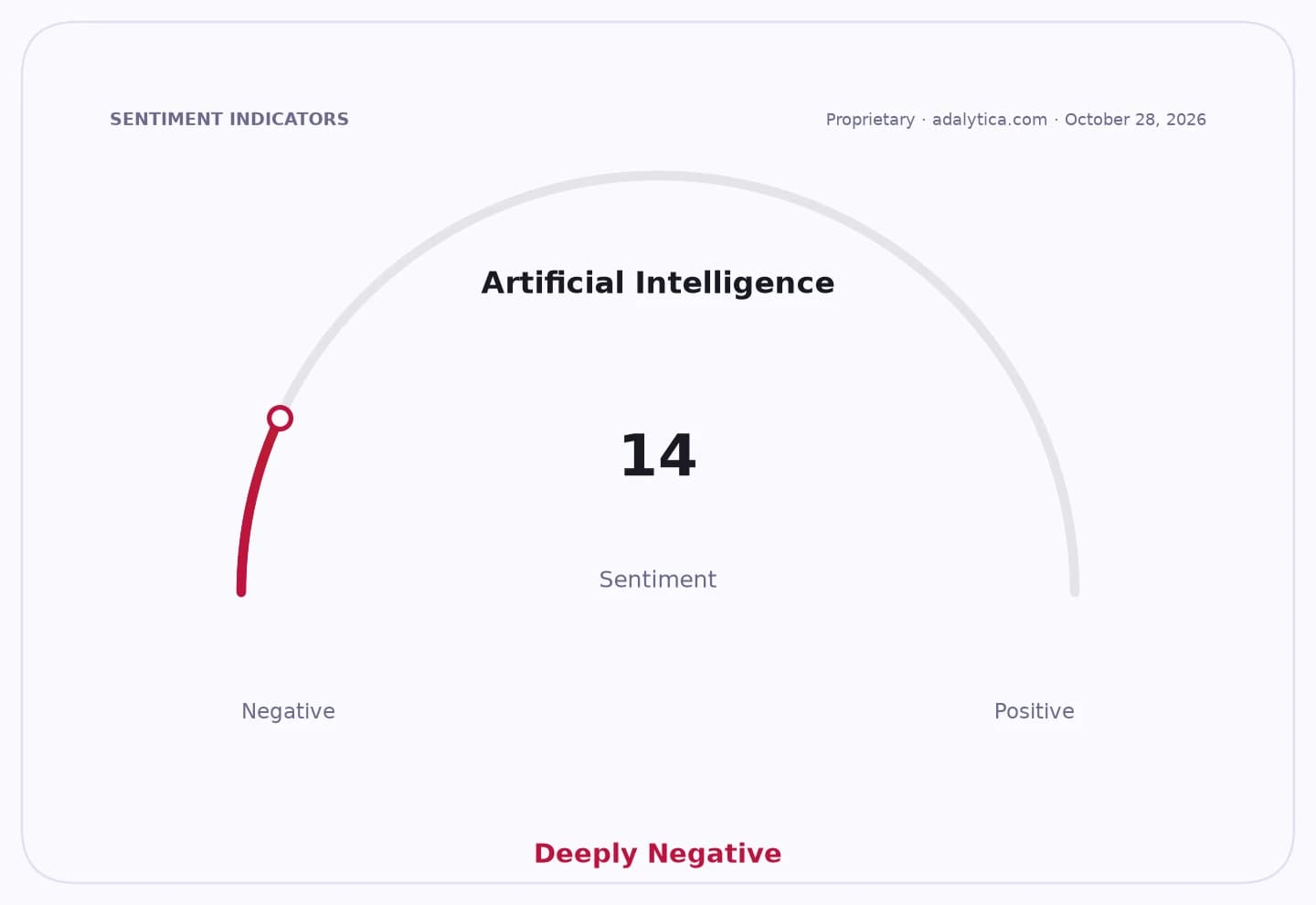
Sentiment Indicators
Artificial Intelligence
Lula’s message is straightforward: the digital world should not be a lawless one. After winning a fourth term with 51.79% of valid votes, he said platforms must be regulated and that crimes committed online should be treated like real-world crimes. He also criticized the fact that companies earning billions in Brazil do not pay enough taxes there, sharpening a long-running debate over how much foreign tech should contribute to local public finances.
For investors, the key issue is not whether Brazil can suddenly build a rival to U.S. or Chinese AI. It is whether the country can use regulation, tax policy and infrastructure incentives to force a more local version of the digital economy. Lula wants to reduce dependence on foreign AI models, develop a Brazilian alternative, and expand math and engineering education to support that goal. He also wants data centers powered by Brazil’s renewable energy, with a requirement that some capacity be reserved for Brazilian data.
That is a potentially important economic shift. Brazil has the electricity mix and scale to attract more data-heavy investment, and that could create a longer runway for utilities, builders and cloud infrastructure providers if the rules are workable. But it also raises the cost of operating in the market for global platforms, especially if data localization and moderation duties become stricter.
The obstacle is political, not rhetorical. Lula has the mandate but not the votes. Congress remains conservative and has already slowed digital regulation during the campaign. The Supreme Court has also moved in a direction that increases platform liability in some cases, meaning the regulatory pressure is coming from multiple fronts. In practice, that makes the next phase less about a sweeping decree and more about negotiation, compromise and legal friction.
There is also an external risk. The Trump administration is pressuring Brazil with trade investigations and threats of sanctions, even questioning systems such as Pix. That adds another layer of uncertainty for global technology groups and U.S.-Brazil economic relations more broadly. For investors, it means policy risk is no longer confined to social media content rules; it can spill into trade, payments and cloud investment decisions.
The long-term investment takeaway is clear: Brazil’s tech story is shifting from pure user growth to sovereignty, compliance and infrastructure. That could slow some foreign platforms in the near term, but it may also create durable opportunities in local data infrastructure, education-linked productivity gains and regulated digital services. For patient investors, it is worth watching closely.
| Entity | Gains | Losses |
|---|---|---|
| Brazilian government | ▲More control over digital rules | ▼Higher policy friction |
| Big Tech platforms | ▲Long-term market access if they adapt | ▼Compliance costs, taxes |
| Data center investors | ▲Renewable-power opportunity | ▼Data-localization constraints |
| Brazilian users and startups | ▲Local infrastructure, sovereignty | ▼Less platform flexibility |