Nigeria’s bid to compete in artificial intelligence will stall unless it fixes the unglamorous basics: electricity, connectivity and access to advanced computing, Communications Minister Bosun Tijani warned, underscoring how infrastructure is now a national economic strategy as much as a technology issue.
Nigeria AI push depends on power and cloud access

That matters because AI is becoming a winner-take-most industry built on scarce power, expensive chips and massive cloud capacity. Countries that cannot secure those inputs risk becoming users of other nations’ technology rather than builders of their own, which means weaker productivity gains, fewer high-value jobs and less control over where data and software infrastructure are located.
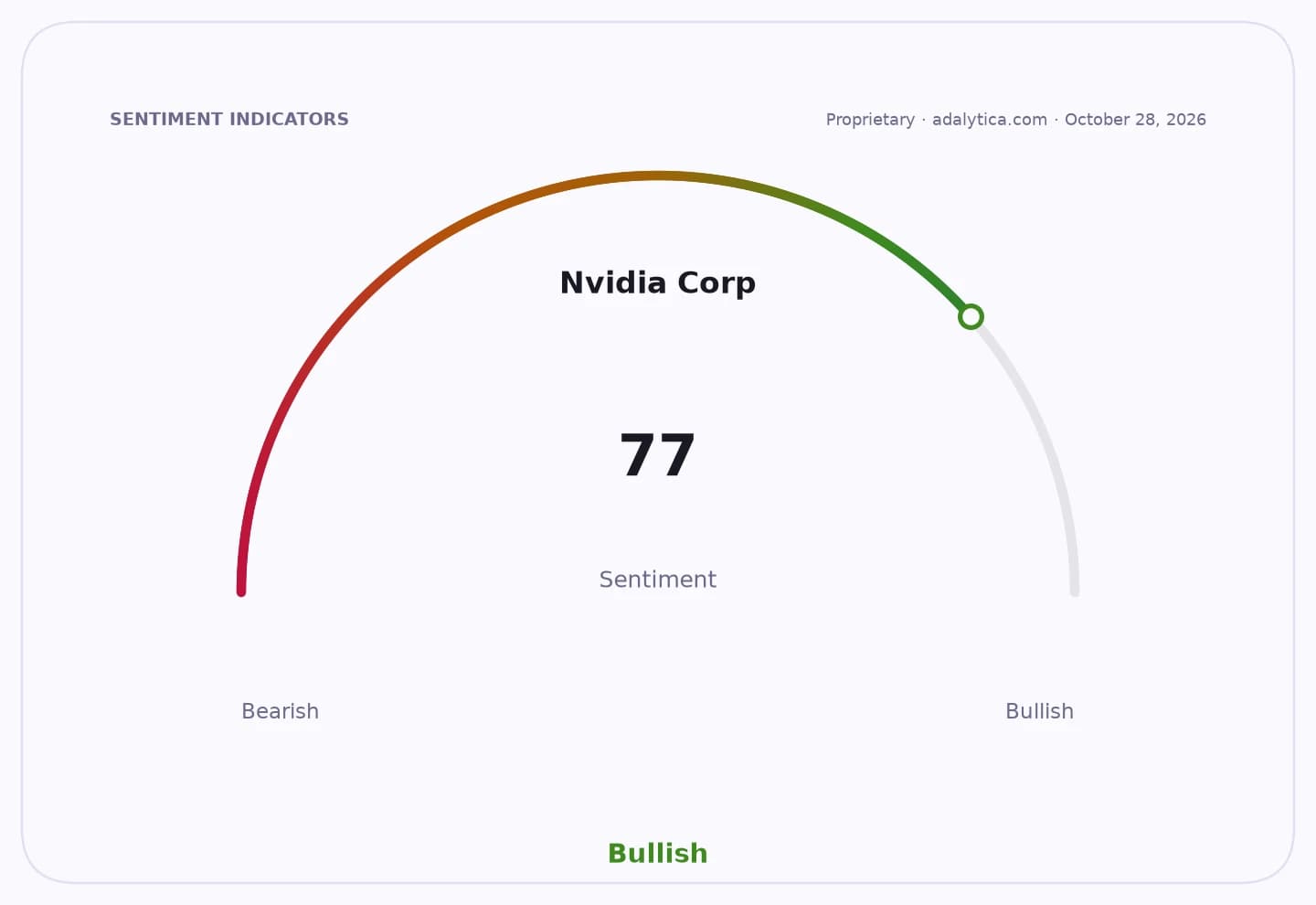
Sentiment Indicators
Tijani said Nigeria is being squeezed by unreliable electricity, weak internet access and limited access to advanced chips and cloud services. He pointed to the pace of semiconductor innovation, saying Nvidia releases new chips every three to six months, leaving late buyers at a disadvantage. The problem is not just money, he argued, but supply. Hyperscalers have already ordered computing equipment years in advance, and even chipmakers may struggle to keep up with existing demand.
For investors, that is the key takeaway: AI is no longer just a story about software adoption. It is a story about who can build and power the infrastructure underneath it. That creates an obvious divide. Global leaders such as Nvidia and Microsoft remain central beneficiaries of the AI buildout, but emerging markets with weak grids and limited cloud depth face a harder path to monetizing the same trend.
Nigeria is trying to respond. Tijani said the federal government wants to build a data park near the Egbin Power Station in Lagos, using about 60% of the plant’s unused capacity to support data center operations. The project, he said, is intended not only for Nigeria but for West Africa, with the proposed facility expected to serve Nigeria and Togo.
That is economically important because data centers are the physical backbone of the AI economy. If Nigeria can turn idle power capacity into computing capacity, it could reduce dependence on foreign infrastructure, attract digital investment and create a more durable platform for local startups, enterprises and public services. If it cannot, the country risks importing AI tools instead of capturing the value chain.
There is also a broader regional angle. West Africa remains underbuilt in digital infrastructure, and that scarcity can either slow the region’s participation in AI or create opportunities for early movers that can provide reliable power, connectivity and cloud access. In that sense, Nigeria’s challenge is not just a technology gap; it is a competitiveness gap.
For long-term investors, the message is straightforward. AI remains a powerful secular theme, but the best returns are likely to come from the companies and countries that solve the infrastructure bottlenecks first. Nigeria’s warning is a reminder that in the AI race, the winners will be those that can deliver power, chips and cloud at scale. Worth watching, especially for investors focused on the global digital infrastructure buildout.
| Entity | Gains | Losses |
|---|---|---|
| Nigeria | ▲Better AI competitiveness if infrastructure improves | ▼Falling behind global AI leaders |
| Nvidia and hyperscalers | ▲More demand for chips and cloud capacity | ▼Supply strain and longer delivery times |
| West African users and startups | ▲Potential access to regional data infrastructure | ▼Continued reliance on foreign platforms |
| Foreign AI leaders | ▲Stronger global pricing power | ▼Greater pressure on capacity and supply chains |