The circular economy could create 142 million jobs worldwide, a pitch that landed in Harare as African policymakers and business leaders try to turn green manufacturing into a source of growth rather than a compliance burden.
COMESA Circular Economy Jobs and Investment Gap

That estimate gives urgency to a debate that is increasingly economic, not environmental: how developing economies capture value from waste, recycling and repair before stricter export standards and supply-chain rules lock them out of higher-margin markets. Sherif El-Gebly, first vice chairman of the COMESA Business Council, said green manufacturing and circular business models can cut input and energy costs, improve material security and open new revenue streams, while helping firms meet demands from buyers and regulators for traceability, recycled content and lower emissions.
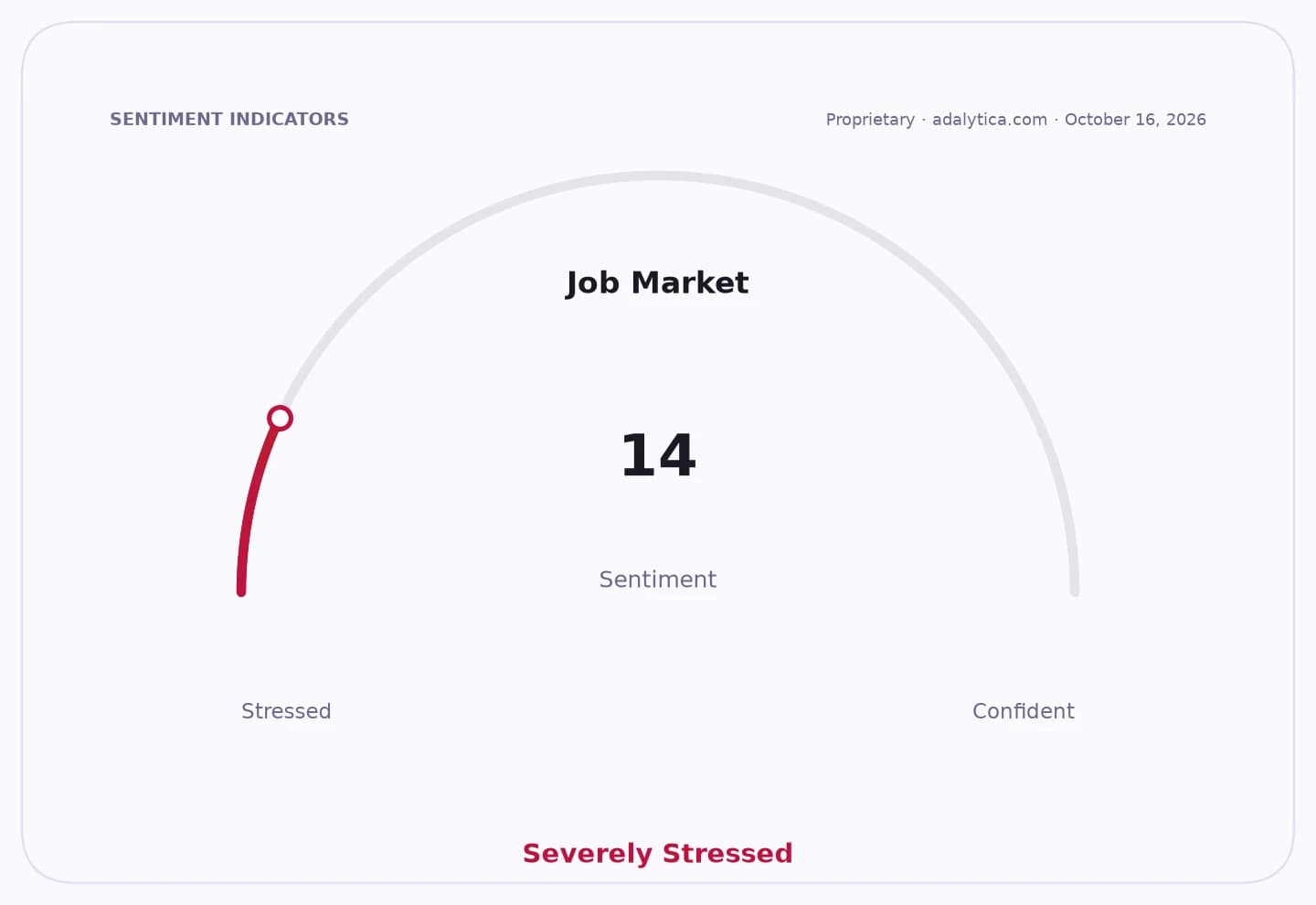
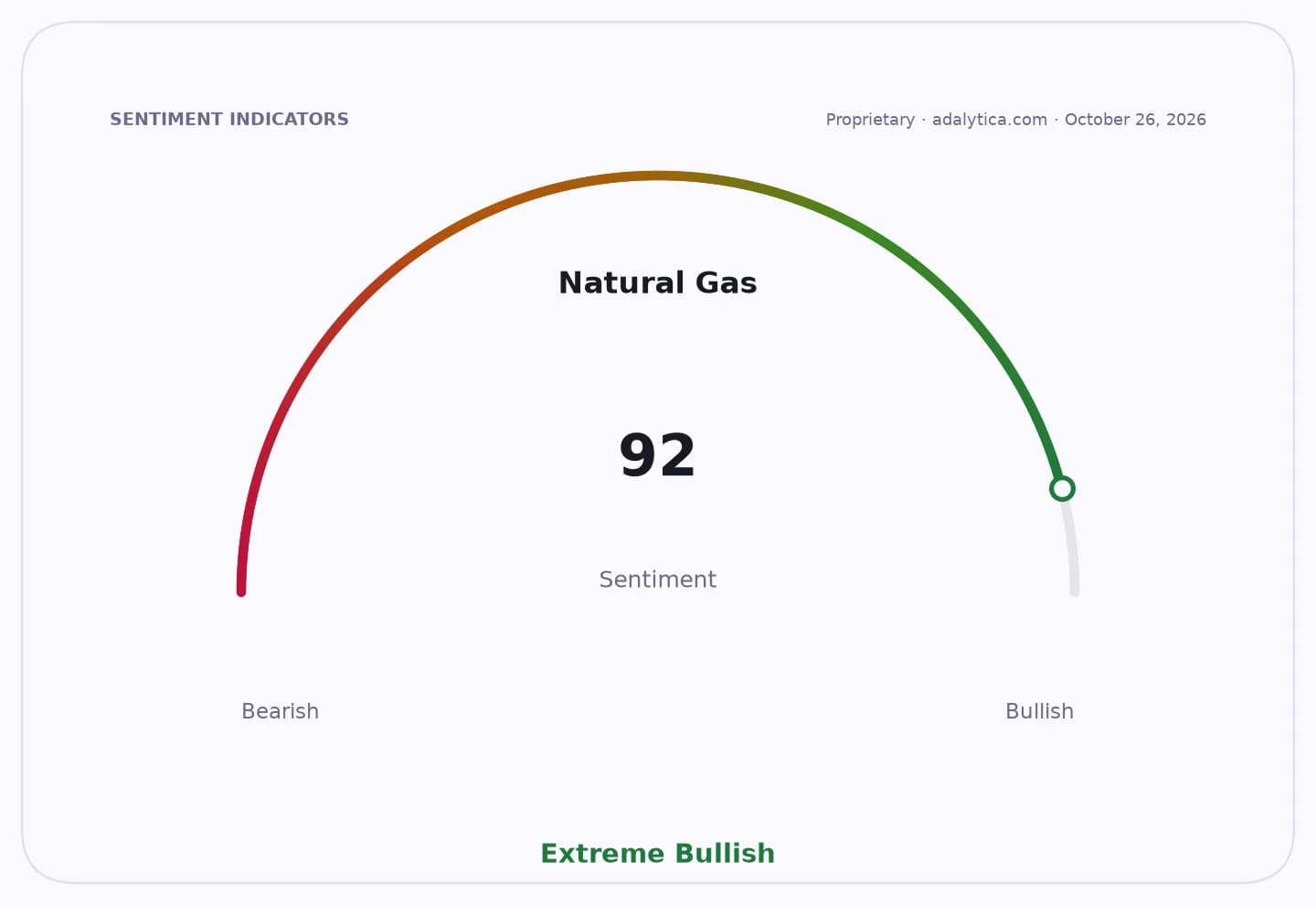
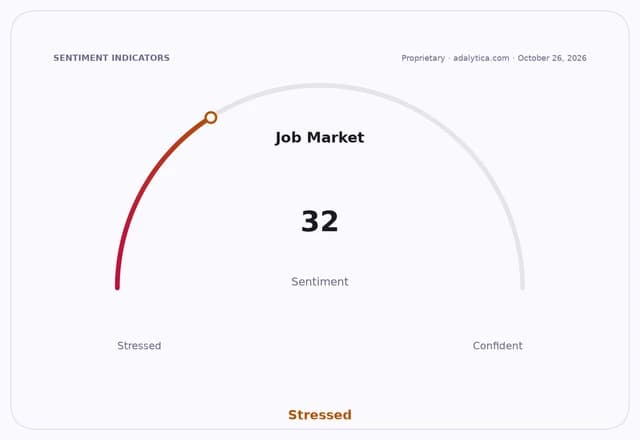
Sentiment IndicatorsⓘProprietary · adalytica.com · October 26, 2026
This is a snapshot — live sentiment, awareness and momentum for 130+ markets update continuously in the dashboard.Open AlphaPulse

The scale of the opportunity is large, but so is the gap. El-Gebly cited a global circularity rate of only 7.2%, implying most materials still move through linear take-make-dispose systems. He said the circular economy already represents about $4.3 trillion in potential economic value, yet Africa captured just 0.2% of announced private-sector investment in circular industries such as textiles, packaging, electronics and appliances between 2018 and 2024, or roughly $370 million over seven years.
For investors, that mismatch is the story. If the transition accelerates, capital is likely to flow toward firms that can aggregate fragmented projects, formalize informal activity and build bankable platforms around recycling, refurbishment and materials recovery. If it stalls, small operators and export-dependent manufacturers risk being squeezed by rising customer expectations and tighter rules in developed markets.
The immediate focus in COMESA is on three value chains: electronics and e-waste, plastics and packaging, and leather and textiles. Each highlights both the commercial upside and the infrastructure shortfall. Africa generated about 3.5 million tons of e-waste in 2022, but less than 1% was formally collected and recycled, underscoring how much economic value still leaks into informal channels.
That matters because the region’s growth model is increasingly colliding with labor-market pressure and industrial weakness elsewhere. While German textile makers are cutting jobs amid a prolonged sector downturn, COMESA is arguing that circular production can absorb workers instead of shedding them, especially in repair, remanufacturing, sorting and recycling. The challenge is financing: El-Gebly said many circular businesses are too small to attract investors on their own, making project aggregation essential.
The policy implication is clear. Governments and development financiers need to treat circularity as an industrial strategy, not just an ESG theme, and design rules that include women and young workers already active in the informal economy. For markets, the winners are likely to be recyclers, waste processors, logistics providers and manufacturers that can prove lower-carbon, traceable supply chains; the losers are laggards that continue to rely on linear production and imported inputs.
| Entity | Gains | Losses |
|---|---|---|
| Circular-economy firms | ▲New growth capital | ▼Linear manufacturers |
| COMESA exporters | ▲Better market access | ▼Late adopters |
| Investors in recycling/reuse | ▲Higher deal flow | ▼Fragmented small operators |
| Workers in informal value chains | ▲More formal jobs | ▼Firms unable to adapt |