The Trump administration is again overriding a retirement decision at Consumers Energy’s J.H. Campbell coal plant in Michigan, prolonging a costly and legally contested hold on an aging generator that utility and grid officials say is needed to avert winter power shortfalls.
Consumers Energy Campbell coal plant stays open
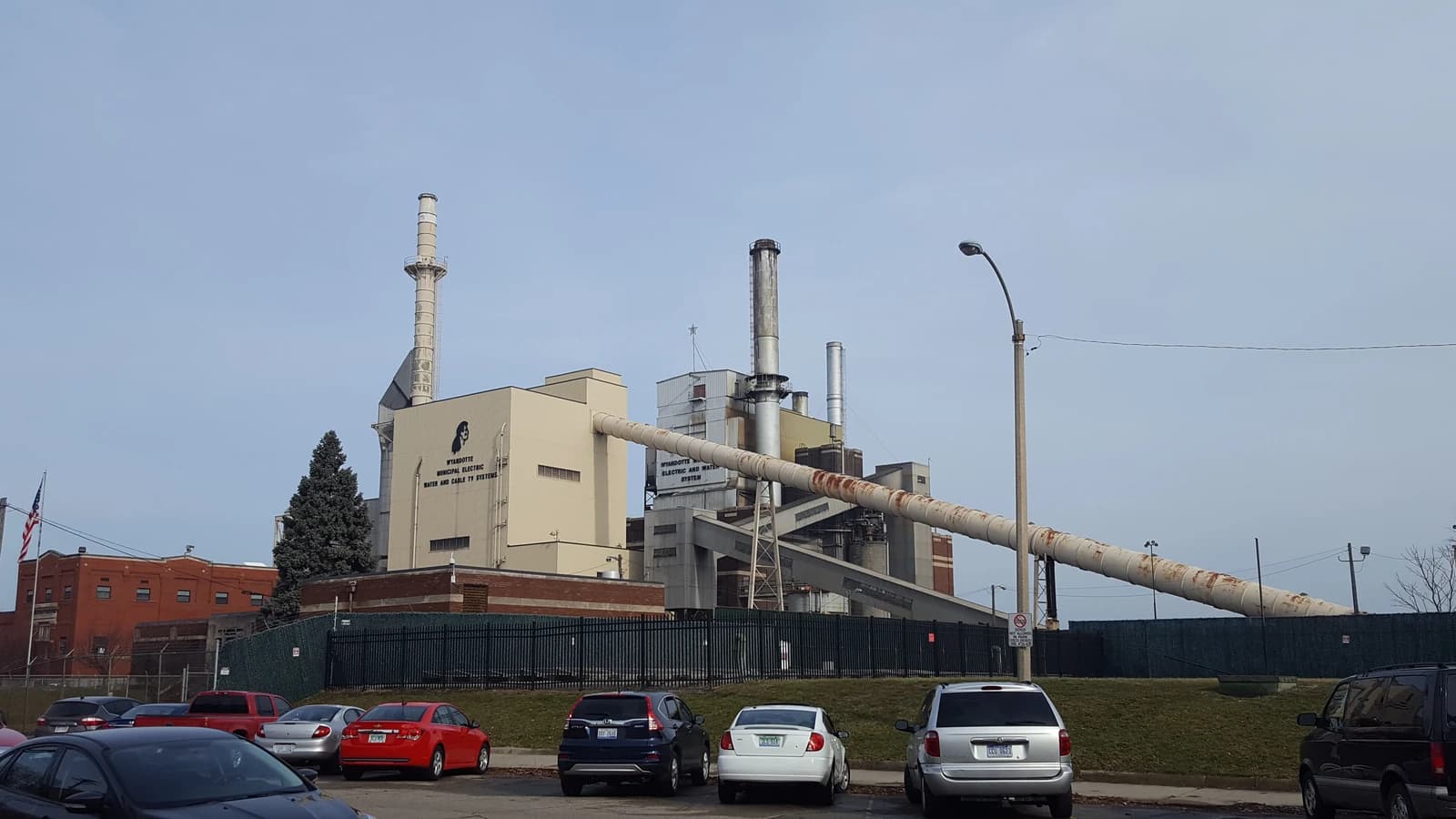
On Friday, the U.S. Department of Energy issued a seventh 90-day emergency order to keep the 64-year-old West Olive plant operating through Feb. 12, 2027, despite a federal appeals court ruling in September that the agency exceeded its statutory authority when it blocked the plant’s shutdown. The dispute has become a test of how far Washington can go to keep dispatchable generation online in the name of reliability, even after a court has said the government went too far.
Sentiment Indicators
The economic stakes are not trivial. Consumers Energy said it is seeking regional cost recovery for about $295 million of accumulated expenses as of September 2026, a bill that would be spread across Midwest ratepayers. That turns a reliability order into a broader transfer of costs from a single utility balance sheet to households and businesses already facing elevated power prices and tight budgets.
The administration has justified the repeated extensions by pointing to winter blackout risk and the need to preserve electricity access. But the legal risk is now rising alongside the financial one. Michigan Attorney General Dana Nessel and environmental groups have called the move unlawful, while the DOE has asked for a full-court rehearing, suggesting the case could shape future emergency authority over power plants.
For investors, the order reinforces a support bid for coal-fired and other dispatchable generation assets in the near term, even as the long-term economics of aging coal remain challenged by maintenance costs, regulatory scrutiny and decarbonization mandates. It also leaves Consumers Energy, and potentially other regulated utilities with legacy coal fleets, exposed to a prolonged debate over who pays for reliability when aging plants are kept on the grid beyond retirement.
The broader market implication is that reliability is again taking precedence over transition plans in parts of the U.S. power system. That favors utilities and generators with firm capacity, but it raises questions for rate-regulated companies if courts ultimately limit emergency interventions and reject cost recovery for forced extensions.
| Entity | Gains | Losses |
|---|---|---|
| DOE / reliability policymakers | ▲More winter reserve margin | ▼Legal credibility |
| Consumers Energy / J.H. Campbell plant | ▲Delayed retirement, recovery chance | ▼Higher operating costs |
| Midwest ratepayers | ▲Short-term blackout protection | ▼$295 million cost burden |
| Clean-energy advocates | ▲None | ▼Coal retirement setback |