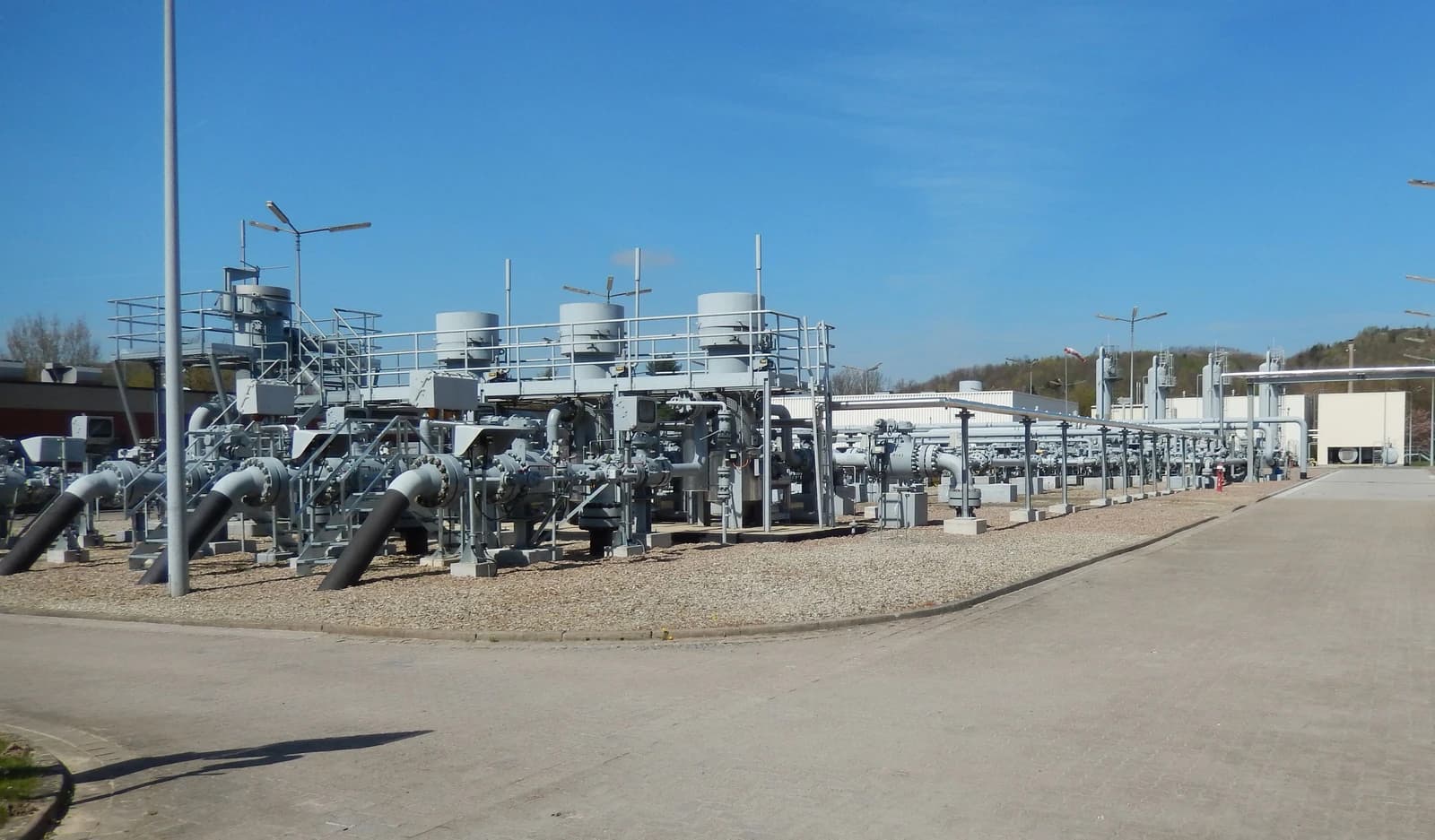
Germany’s coal exit is running into the same problem that is slowing energy transitions everywhere: power demand is becoming harder to retire than coal plants are. In North Rhine-Westphalia, Europe’s biggest industrial region, the 2030 phase-out target looks increasingly vulnerable because the grid still needs dependable dispatchable generation as industry, households and electrification keep the system tight.
Germany coal exit faces NRW power demand pressure
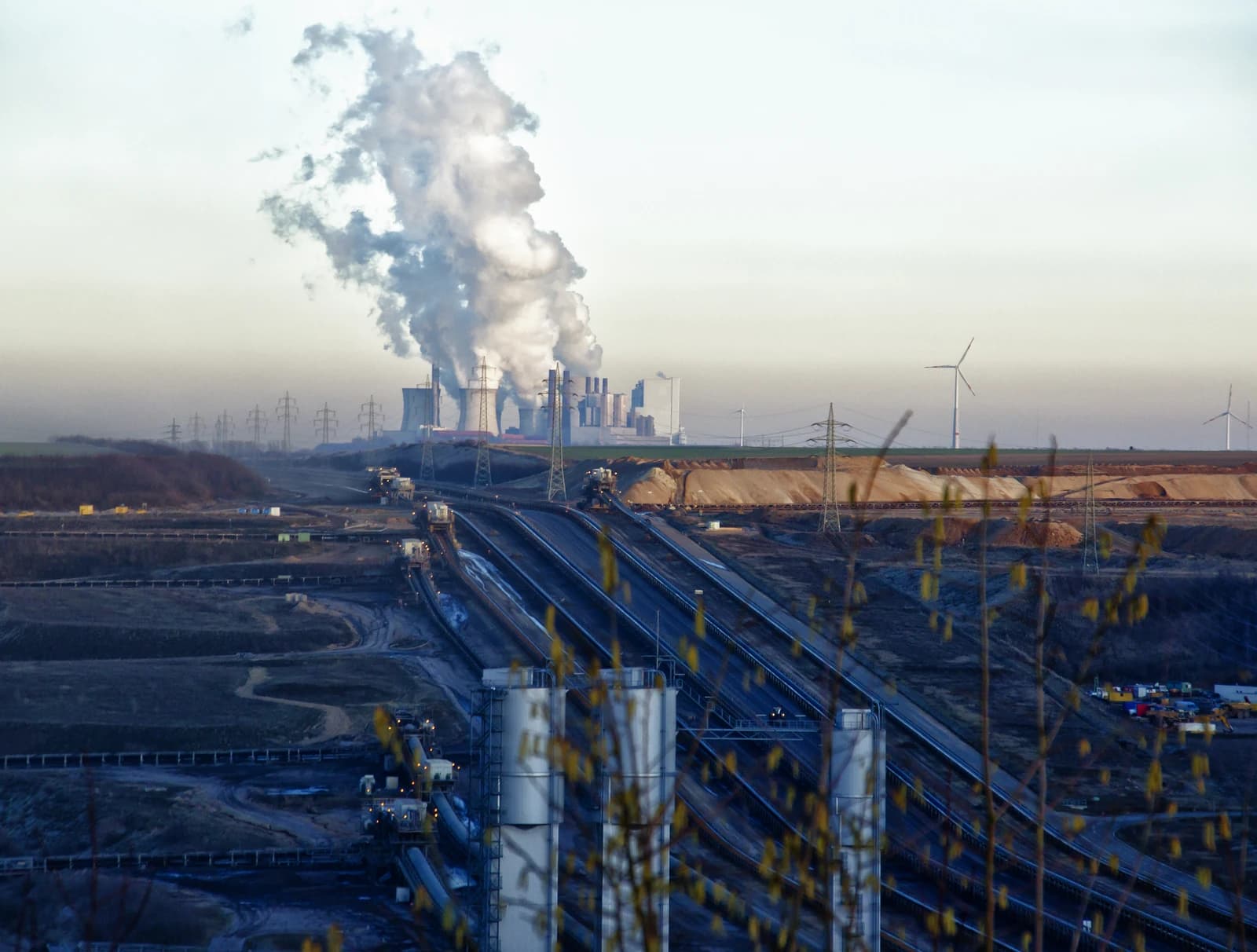
That matters well beyond Germany. NRW is the backbone of the country’s manufacturing economy, and coal still provides a backstop when wind and solar fade. A forced early shutdown of lignite and hard-coal units without enough replacement capacity would raise the risk of price spikes, reliability scares and industrial curtailments. For investors, that shifts the trade from a simple “coal is dead” narrative to a more nuanced one: conventional power assets, gas peakers, grid infrastructure and nuclear suppliers can all gain if policymakers are forced to slow the exit.
Sentiment Indicators
Geopolitical Risk
The policy tension is visible across the broader energy market. Germany is tightening the rules around coal-to-gas conversions to avoid premature closures, an acknowledgment that keeping plants available may matter more than meeting an arbitrary calendar date. Elsewhere, governments are still trying to squeeze value out of coal assets rather than shut them outright, as seen in Pakistan’s push to move Thar coal mining onto the national grid to save $30 million a year. The common thread is that affordability and reliability are reasserting themselves as hard constraints on climate policy.
Markets already know the transition story is not linear. U.S. energy shares have been volatile, with XLE trading around 60.92 after a sharp pullback from recent highs, while uranium stocks have also been hit hard, with URA falling to 28.72. That kind of price action underlines how fast capital rotates when investors start pricing a longer life for fossil-fuel assets and more spending on backup power. Adalytica’s global stability gauge remains in extreme fear, a reminder that geopolitics and energy security still dominate the capital-allocation debate.
The investment implication is straightforward: the market may be underestimating how much value survives in the old system while the new one is being built. If NRW slips from a hard 2030 exit to a slower, more conditional phase-out, the winners are utilities with flexible generation, grid suppliers and gas-linked infrastructure owners. The losers are pure-play decarbonization names that need a clean policy glide path to justify their valuations. The next catalyst is political, not technical: every delay in permitting, every grid bottleneck and every reliability warning makes the coal exit look less like a date and more like a negotiation.
| Entity | Gains | Losses |
|---|---|---|
| Coal-fired utilities in NRW | ▲Longer asset lives | ▼Earlier shutdown risk |
| Gas peakers and grid operators | ▲More dispatch demand | ▼Less policy pressure |
| Industrial power users | ▲Reliability backstop | ▼Faster coal exit |
| Pure-play clean-energy names | ▲— | ▼Slower transition narrative |