A growing share of Germany’s municipal utilities are preparing to shut down parts of their gas grids, underscoring how quickly the country’s heating transition is moving from policy debate to costly infrastructure decisions.
Germany Municipal Utilities Plan Gas Grid Closures
More than one in three Stadtwerke now plan to either fully or partially decommission their gas networks in the coming years, according to a survey by the municipal utilities association VKU cited by Bild. Thirteen percent want to shut their gas grids entirely, while another 25% are considering a mix of partial closure and continued operation. That compares with 38% of municipal operators that have still not decided what to do with their networks, a sign of how much commercial and regulatory uncertainty remains around the future of gas distribution.
Sentiment Indicators
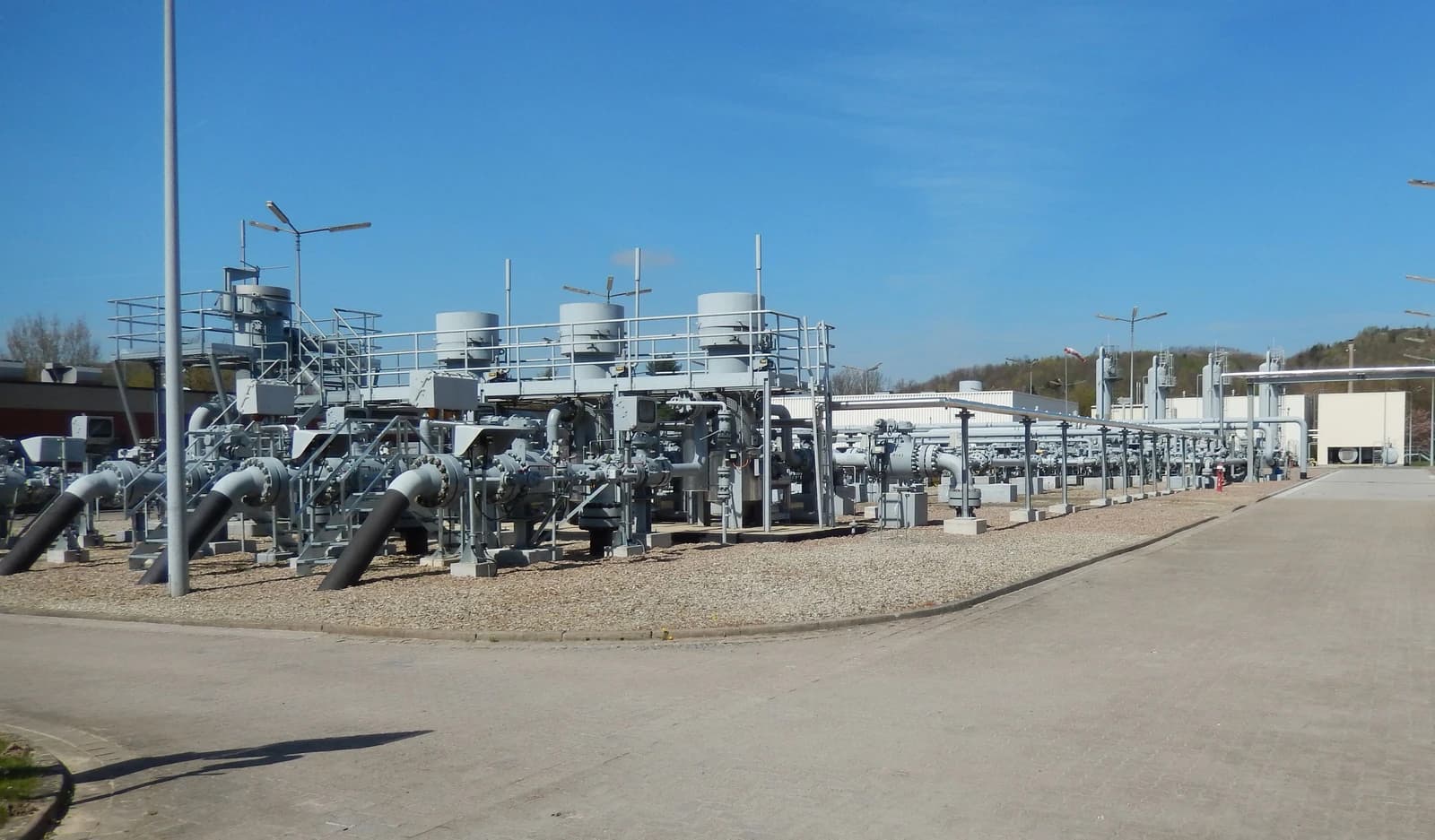
The shift matters because Germany’s gas grid is not just an energy asset but a long-lived balance-sheet liability. As households move toward heat pumps and district heating, utilities face a shrinking customer base on the gas side while still carrying the fixed costs of pipes, maintenance and safety compliance. If demand erodes faster than operators can repurpose networks for green gases, the economics of the system deteriorate quickly, raising the risk of stranded assets and higher unit costs for the customers who remain.
VKU chief executive Ingbert Liebing said municipalities cannot plan the build-out and conversion of infrastructure, or invest in the heating transition, without clarity from Berlin. He argued that utilities need amendments to the Energy Industry Act, a biomethane strategy, and new rules on district heating and combined heat and power before they can make legally secure investment decisions. The message is effectively that the transition is no longer a theoretical decarbonization goal; it is a capital-allocation problem for local monopolies that will determine where investment goes and where it stops.
For investors, the implications are mixed. Utilities with exposure to gas distribution face longer-term pressure on volumes and asset utilization, even if regulated returns and network fees cushion the decline in the near term. At the same time, companies with stronger positions in electric infrastructure, heat pumps, district heating and grid modernization could benefit from capex reallocation as Germany pushes toward climate neutrality by 2045. The 17% of municipal utilities that say they plan to offer green gases, fully or partly, point to a smaller but still relevant route for network reuse and revenue preservation.
The broader market backdrop also helps explain the urgency. With oil and gas price swings, higher financing costs and a tighter policy environment, municipal utilities are being pushed to make decisions that were easy to defer when gas demand looked durable. The question now is not whether Germany will keep burning less fossil gas over time, but how quickly local networks will be reduced, converted or abandoned — and who pays for the transition.
| Entity | Gains | Losses |
|---|---|---|
| Heat pump and district heating providers | ▲Faster demand growth | ▼Less gas demand |
| Municipal utilities investing in grids | ▲New capex opportunities | ▼Legacy gas volumes |
| Gas network operators | ▲Possible green-gas reuse | ▼Stranded-asset risk |
| Gas customers in remaining networks | ▲Short-term continuity | ▼Higher fixed network costs |