Four company vans used by municipal utility operators were burned out in Döbeln, Saxony, in an incident police say was likely arson, underscoring how exposed local energy and water infrastructure has become to physical sabotage risks.
Döbeln utility vans burned in suspected arson
The fire broke out shortly after midnight on the company yard of the city utility at Rosa-Luxemburg-Straße and spread through vehicles parked side by side before firefighters brought it under control. Two of the vans were natural gas vehicles, making the response more difficult and raising the potential for a wider blaze, though damage was contained to the vehicles and no nearby buildings were hit.
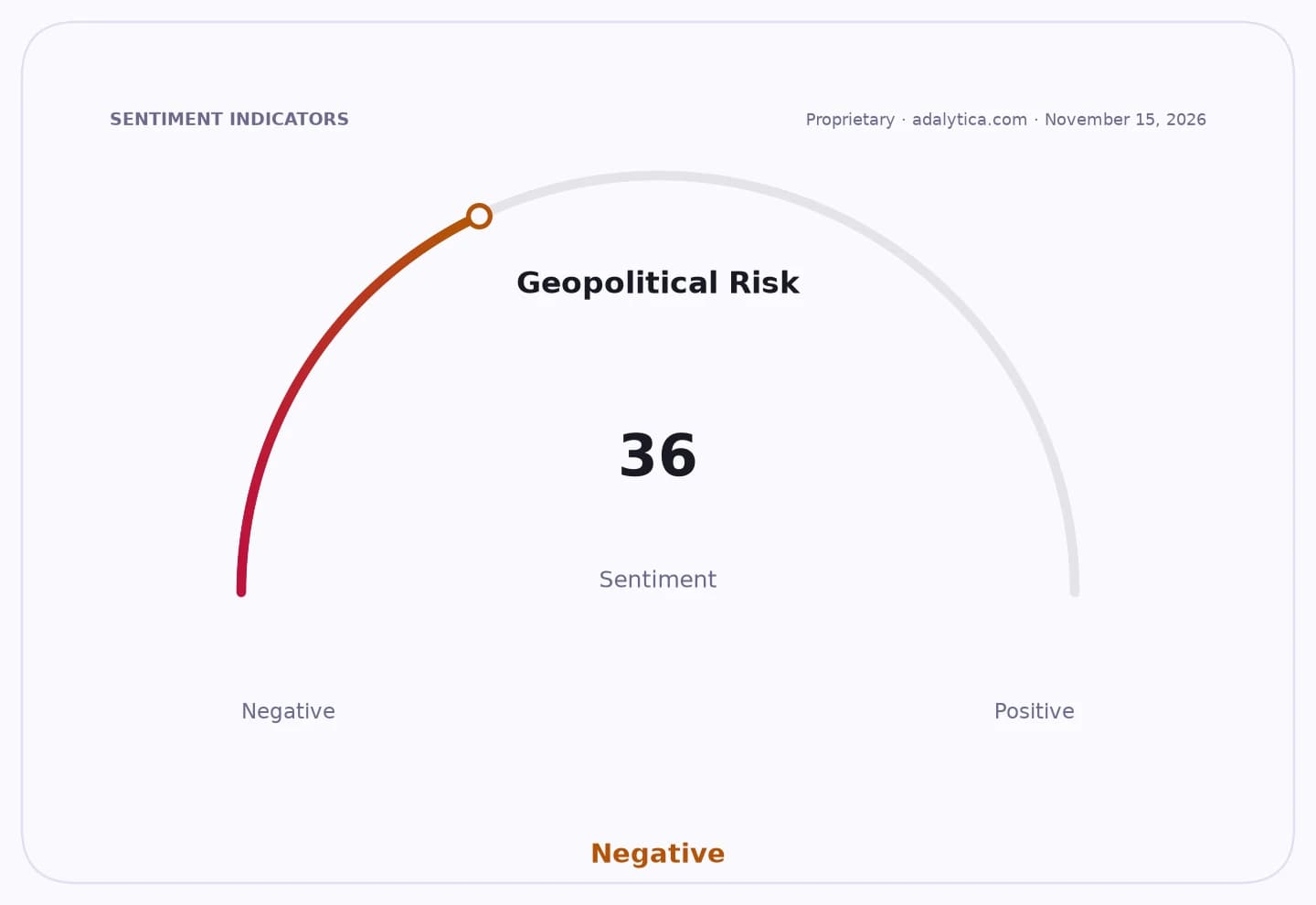
Sentiment Indicators
For utility operators, the immediate loss is operational rather than systemic: a fleet hit like this can disrupt maintenance, meter reading and emergency response, especially in smaller municipal networks that rely on limited vehicle pools. The episode also adds to investor concern that physical attacks, alongside cyber risks and weather-related outages, are becoming a standing cost of doing business for regulated utilities.
The broader market read is that resilience spending is no longer optional. Utilities face pressure to harden depots, parking areas and substations while keeping rate increases politically acceptable. In the U.S., regulators and local governments are already pushing through price adjustments to fund reliability and security upgrades, a trend that can support allowed returns for utilities but also risks public backlash if customers see higher bills tied to incidents they cannot control.
For listed utilities, the financial impact of a single event is usually modest, but repeated attacks can lift insurance costs, increase capital spending and lengthen restoration times, which can weigh on service quality metrics and regulatory relations. The bull case is that such risks justify a larger, more defensible investment cycle across the sector. The bear case is that rising security costs compress operating flexibility without delivering immediate revenue growth.
The key question now is whether the Saxony fire proves to be an isolated criminal act or part of a wider pattern of politically or economically motivated attacks on utility assets. If investigators confirm deliberate sabotage, pressure will mount on municipal operators and regulators to spend more on security, a development that would ripple through the utility sector even if the damage in Döbeln itself proves limited.
| Entity | Gains | Losses |
|---|---|---|
| Municipal utilities | ▲Stronger case for security spending | ▼Fleet disruption, repair costs |
| Security vendors | ▲Higher demand for protection systems | ▼N/A |
| Regulators | ▲More urgency on resilience rules | ▼Pressure over higher rates |
| Customers | ▲Better reliability over time | ▼Higher utility bills |