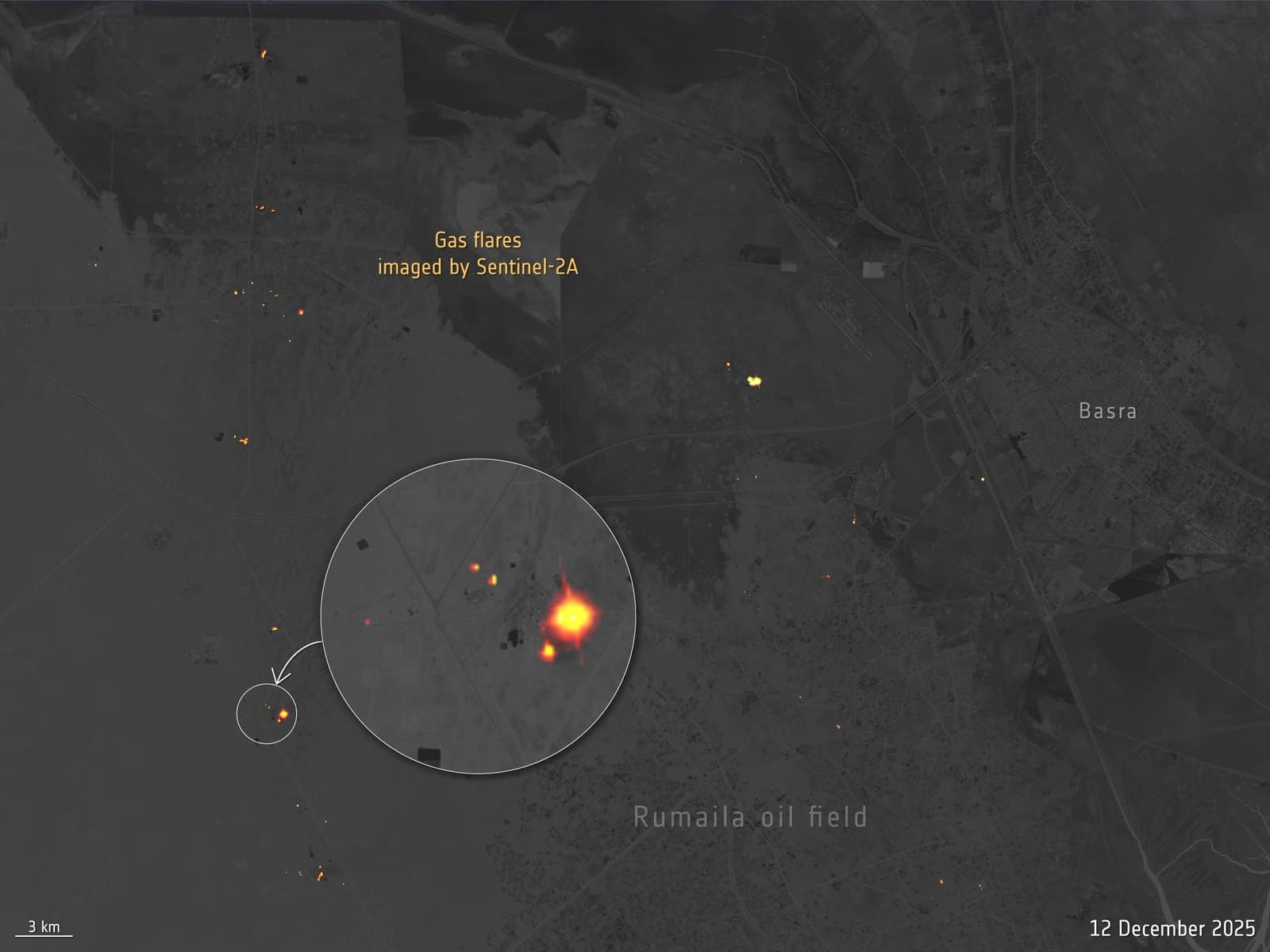
Production at Iraq’s Khor Mor gas field has been stopped after a drone attack hit one of the Kurdistan region’s most important energy assets, a disruption that threatens electricity supply in an area already exposed to chronic power shortages and escalating regional tension.
Iraq Khor Mor Gas Field Stops After Drone Attack
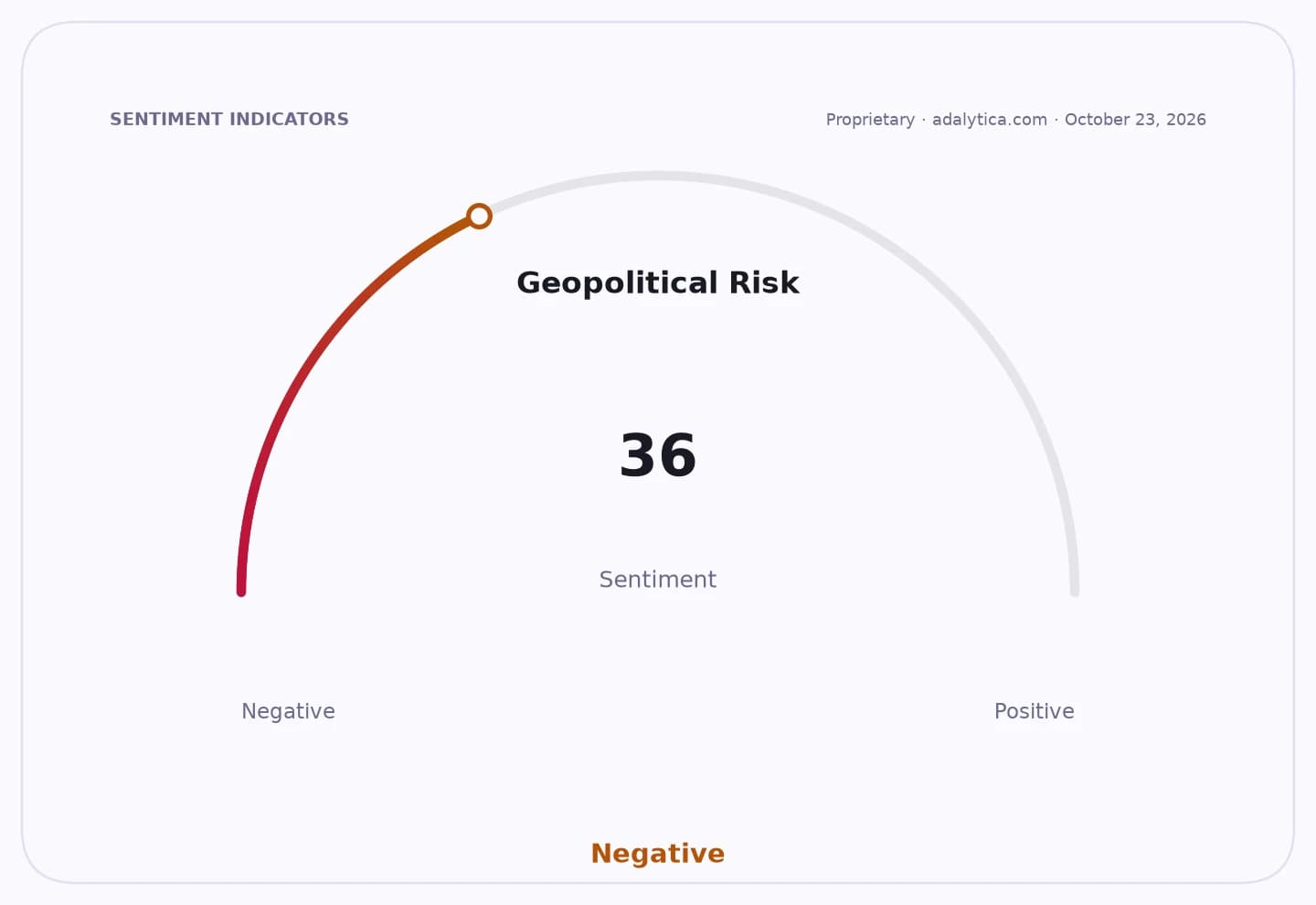
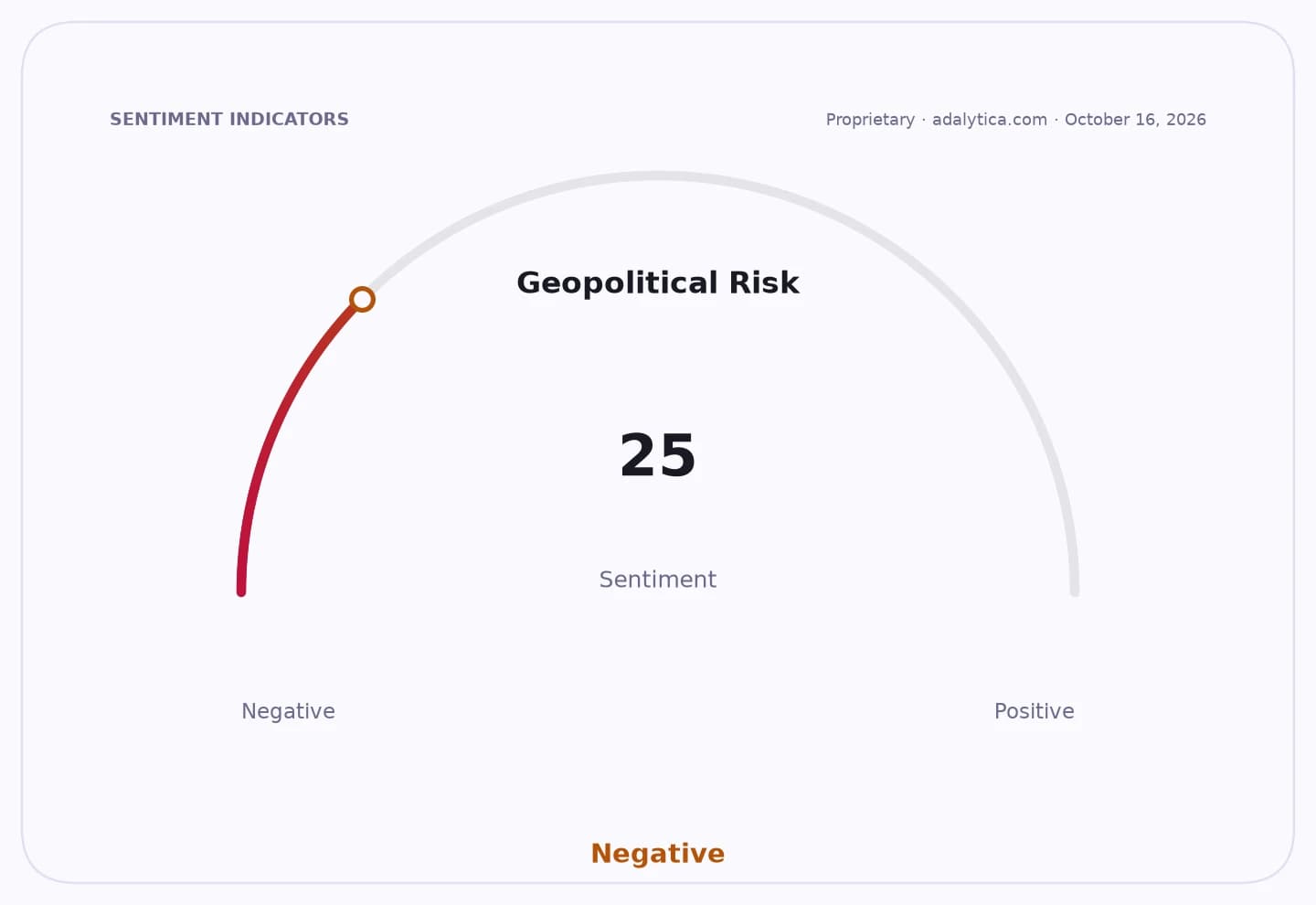
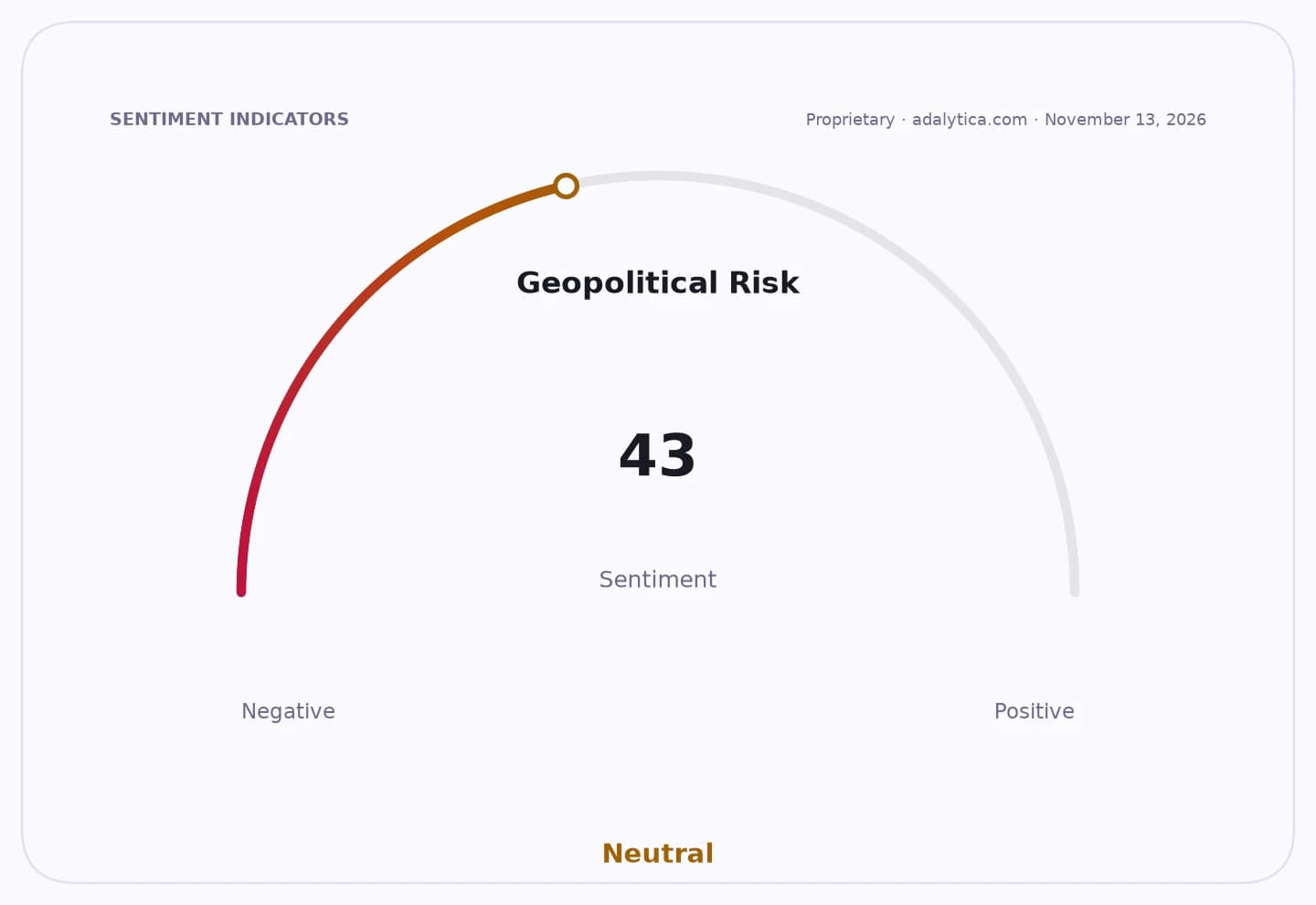
Geopolitical Risk
The shutdown matters because Khor Mor is not just another gas site: it is a core feedstock for power generation in northern Iraq, and any prolonged outage can quickly translate into weaker electricity output, higher reliance on costly alternatives and more strain on a grid that remains structurally fragile. In a region where gas supply is central to both industrial activity and household demand, even a temporary halt can ripple through local economic activity and government budgets.
Sentiment Indicators
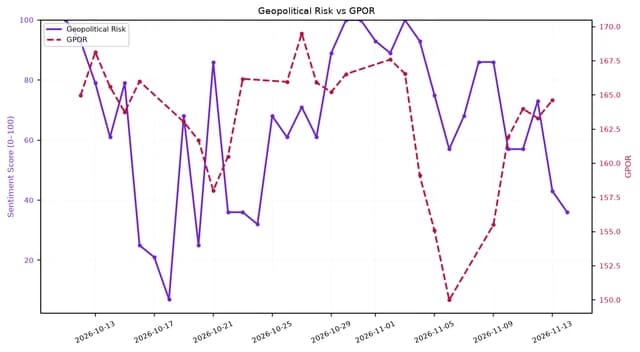
Two security sources told Reuters the attack caused smoke to rise from the field and hit a gas storage facility, prompting orders for workers to take cover amid fears of further strikes. The field sits in Iraq’s Kurdistan region, where energy infrastructure has repeatedly been caught in the crossfire of political and security disputes. The latest assault adds to the view that upstream assets in Iraq remain vulnerable even when broader oil flows are less immediately affected.
For investors, the immediate issue is not just lost output but the premium now attached to operating in the region. Repeated attacks can delay investment, raise insurance and security costs and complicate the economics of gas development in a market that Iraq needs to stabilize power supply and support growth. The incident also reinforces the geopolitical risk embedded in Middle East energy assets at a time when regional markets are already sensitive to disruptions and military escalation.
Broader market reaction is likely to remain limited unless the shutdown proves prolonged or spreads to other infrastructure. Still, the attack feeds a familiar investor concern: that gas and power assets in Iraq can be disrupted by events far beyond the control of operators, making supply reliability as important as reserve size or production capacity.
The key question now is how quickly operations can restart and whether authorities can harden defenses around critical energy sites. If attacks continue, the cost will not only be measured in lost output, but in higher risk premiums for the entire Kurdistan energy complex.
| Entity | Gains | Losses |
|---|---|---|
| Regional power generators | ▲Higher urgency for backup supply | ▼Lost gas feedstock |
| Attackers / militants | ▲Political leverage | ▼International pressure |
| Kurdistan authorities | ▲Case for tighter security | ▼Energy reliability |
| Consumers / industry in northern Iraq | ▲None | ▼More outages and costs |