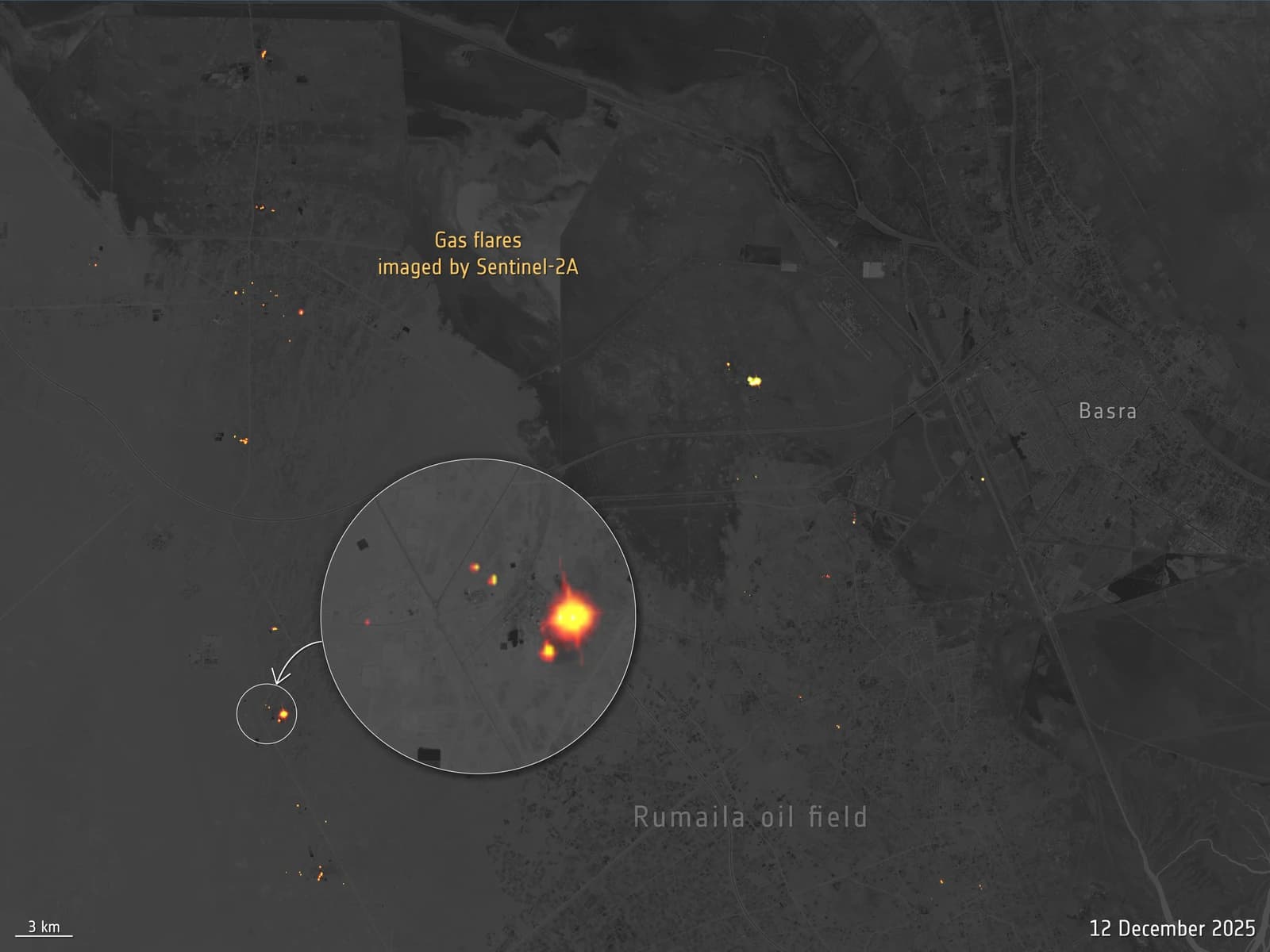
Iraq has pushed crude production above 5 million barrels a day, intensifying Baghdad’s case for a larger OPEC quota just as higher output from the Middle East’s second-biggest producer adds to a market already balancing on geopolitics and weakening prices.
Iraq Output Tops 5 Million Barrels, Seeks OPEC Quota
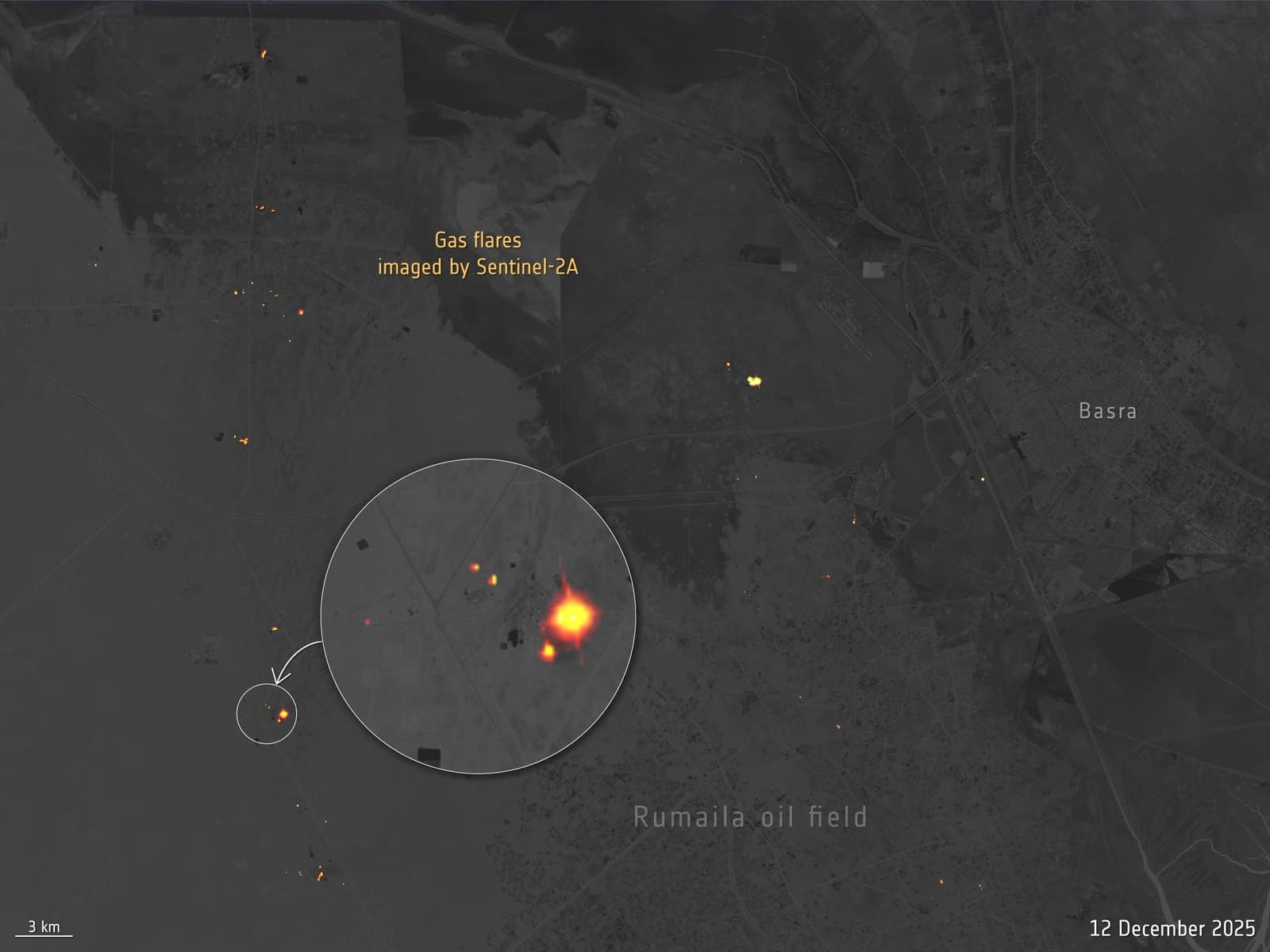
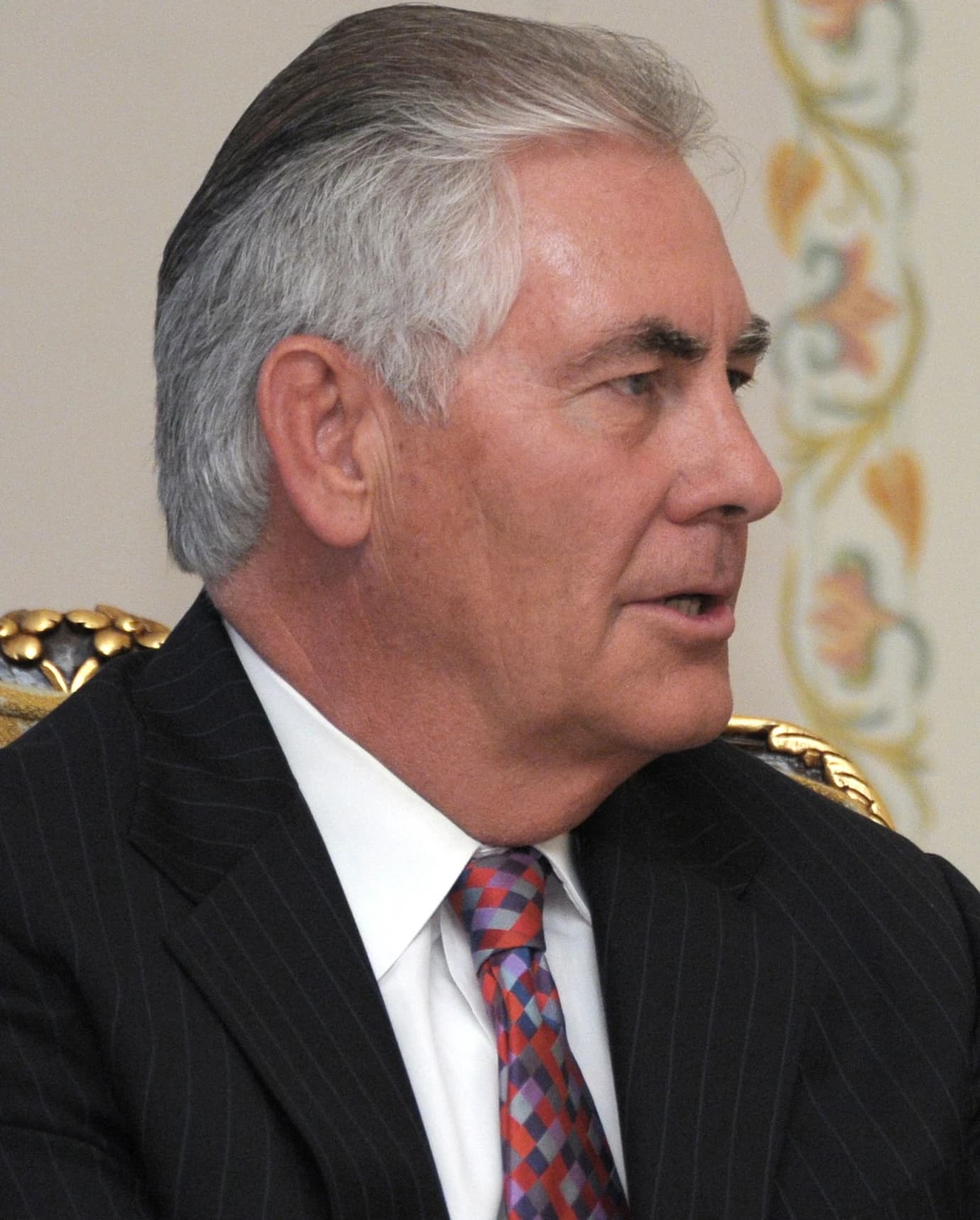
Oil Minister Basim Mohammed said state production has crossed the 5 million bpd threshold, a level that matters because oil still accounts for 88% of government revenue. For Iraq, every incremental barrel supports a budget that has been battered by the conflict in the region and by export disruptions that have repeatedly choked off cash flow to the state.
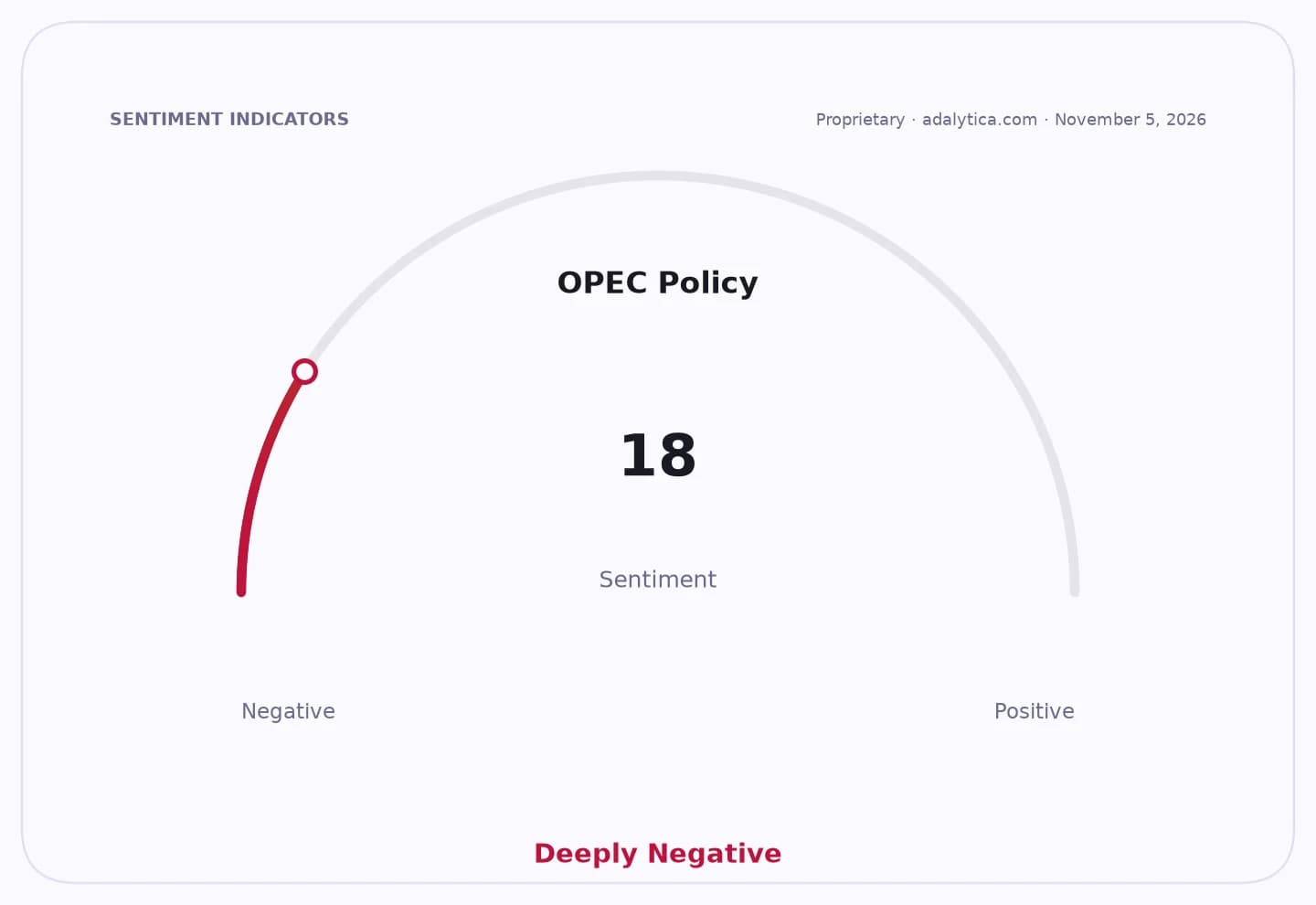
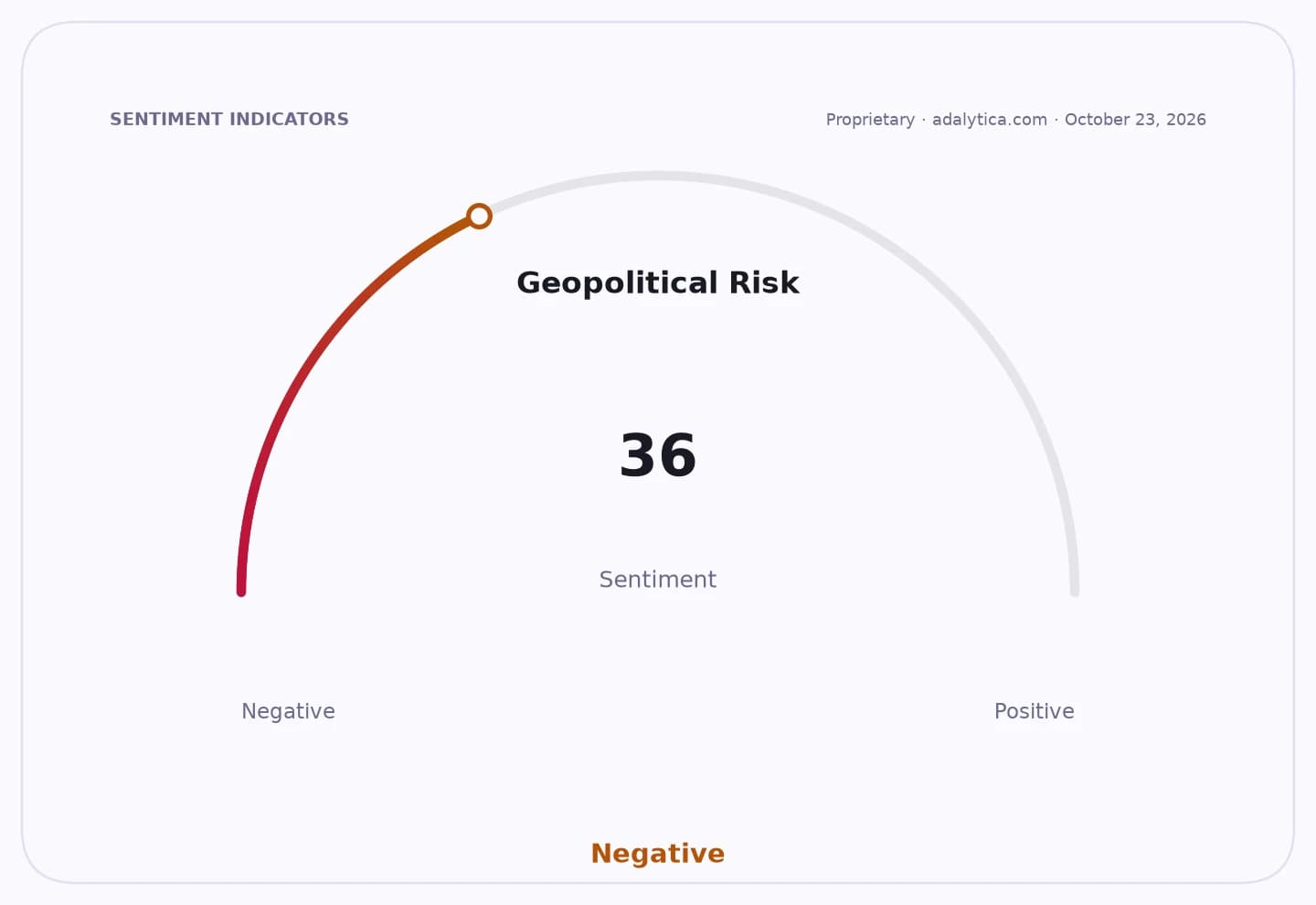
Sentiment Indicators
The output milestone also raises the stakes in Iraq’s negotiations with OPEC. Baghdad has been pressing for a higher production allowance, arguing that new investment from international oil majors and the need to repair war damage justify room to pump more. That puts it on a potential collision course with OPEC members seeking to defend prices and manage a market that has become more volatile in recent months.
Crude prices have eased from earlier spikes, with Brent around $88 a barrel on Thursday and U.S. benchmark West Texas Intermediate near $86.50, still elevated by historical standards but well below the peaks seen when Middle East tensions flared earlier this year. Oil-linked exchange-traded funds have also retreated, with the U.S. Oil Fund down sharply from its 2026 highs, a sign investors are becoming more cautious on the durability of the rally even as supply risks remain.
For investors, Iraq’s higher output is a two-sided development. Upstream producers and oilfield service companies stand to benefit if Baghdad follows through on new development spending and infrastructure upgrades. But for crude bulls, the risk is that more Iraqi barrels eventually add to OPEC+ supply pressure just as demand growth is softening and the market is already digesting regional stabilization efforts that could bring more exports back online.
The question now is whether Iraq can convert the production gain into sustained exports without straining OPEC discipline. If Baghdad succeeds in winning a higher quota, it would strengthen its fiscal position and support investment in the sector. If it fails, the mismatch between rising output and capped exports could deepen tensions with the producer group and leave the market focused once again on how much spare supply OPEC is willing to tolerate.
| Entity | Gains | Losses |
|---|---|---|
| Iraq government | ▲Higher oil revenue | ▼OPEC quota constraints |
| OPEC producers | ▲Price discipline if quota holds | ▼Pressure from Iraq for more output |
| Oil majors in Iraq | ▲More investment runway | ▼Policy and export uncertainty |
| Crude bulls | ▲Supply risk still supports prices | ▼More Iraqi barrels could cap rally |