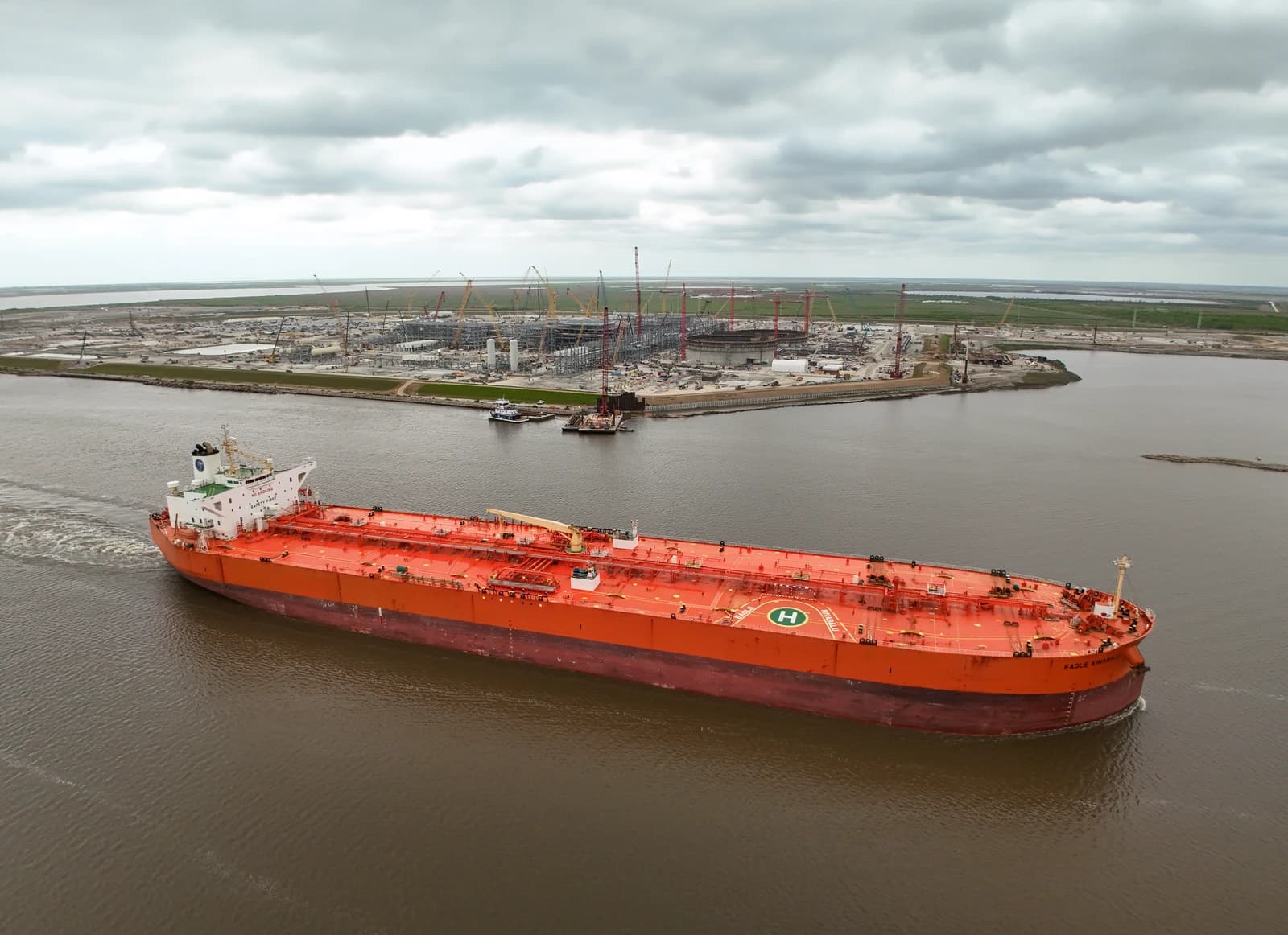
Iraq’s oil output has climbed to 4.15 million barrels a day, adding to a broader OPEC supply rebound that is helping pull crude prices off recent highs and reshaping the near-term outlook for energy markets.
Iraq oil output rises to 4.15 million barrels a day
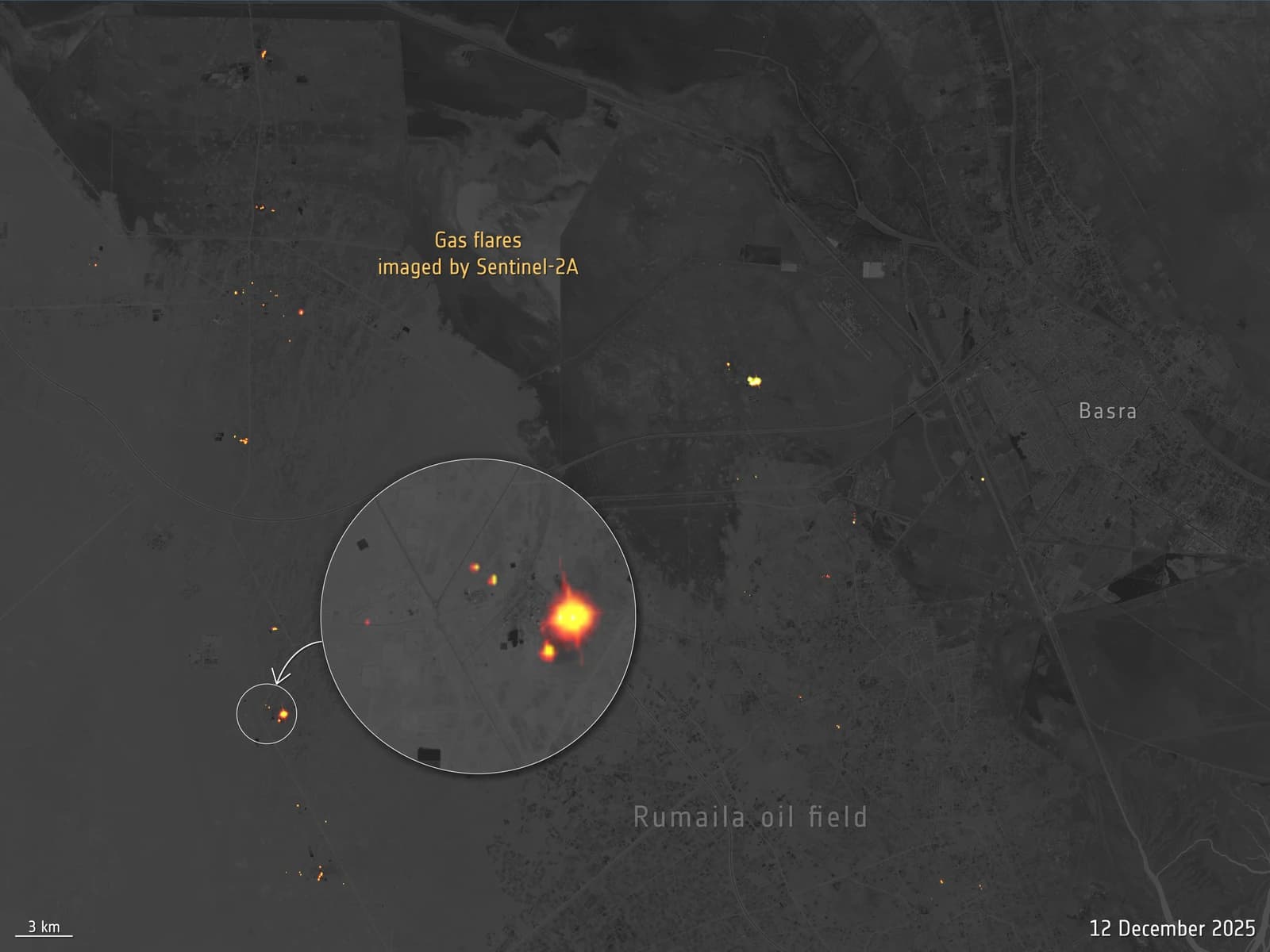
The increase matters because Iraq is one of the cartel’s key swing producers and the second-largest contributor to last month’s rise in OPEC output after Saudi Arabia. More barrels from Baghdad, Riyadh and Kuwait are easing a supply backdrop that had been tight enough to support Brent above $100 a barrel at times this year.
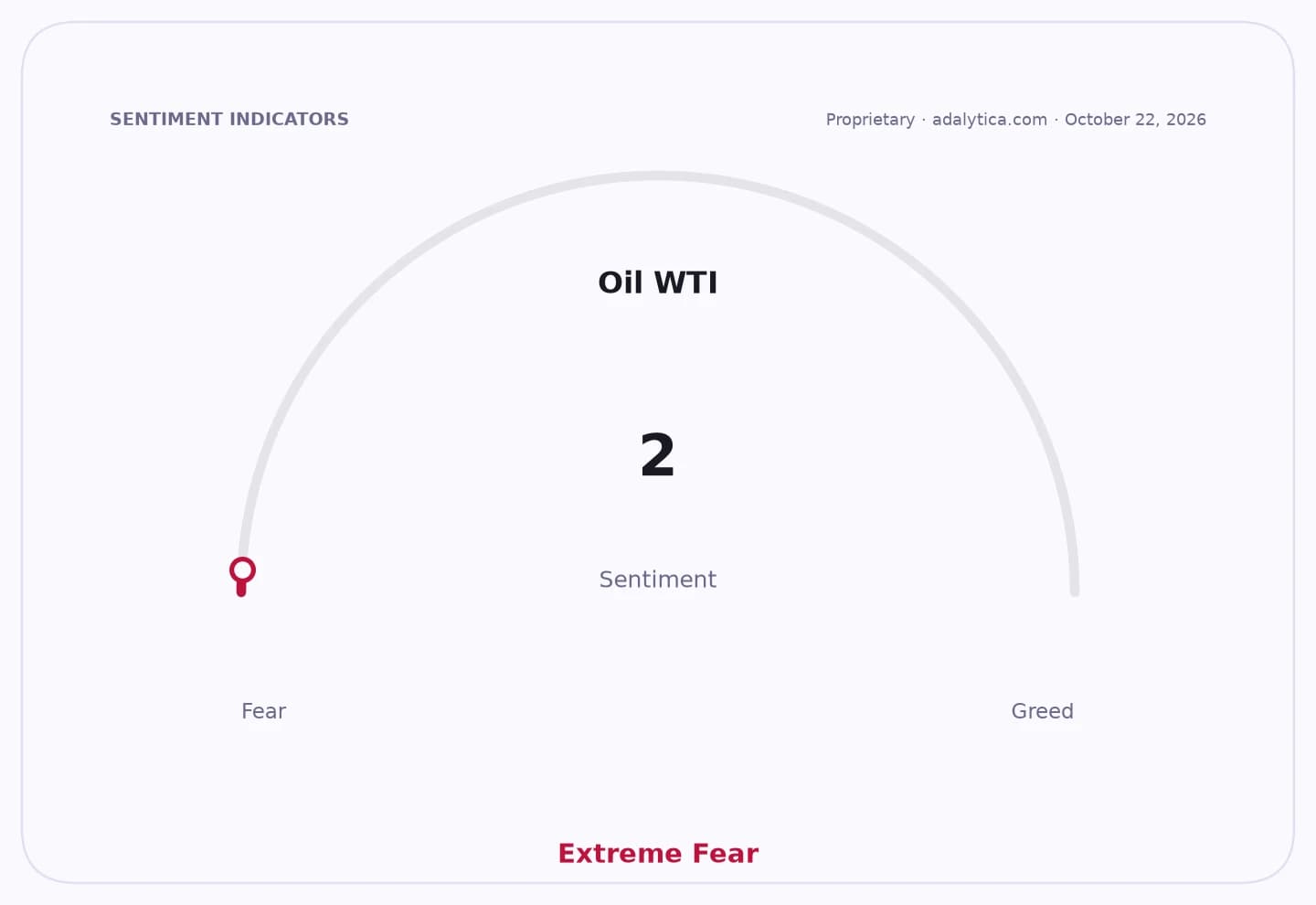
Sentiment Indicators
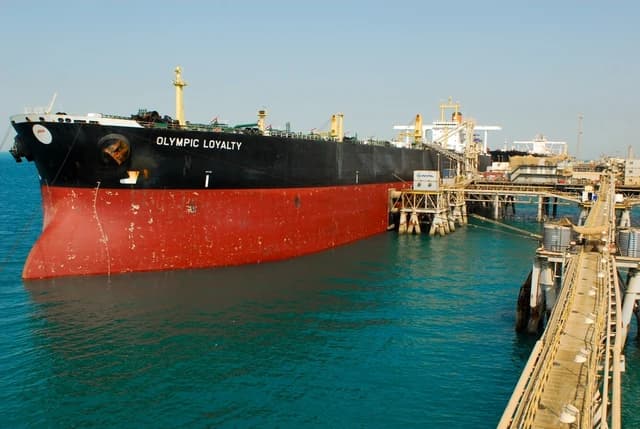
OPEC production rose by about 930,000 barrels a day in October to 22.8 million barrels a day, according to Bloomberg’s monthly survey, taking the group back toward prewar levels. Saudi Arabia led the expansion, lifting output by 970,000 barrels a day to 9.2 million barrels a day, while exports averaged close to 7 million barrels a day.
Iraq’s output rose 140,000 barrels a day, while Kuwait added 130,000 barrels a day to reach 2 million barrels a day. The rebound was partly offset by a 120,000-barrel-a-day drop in Iran to 1.9 million barrels a day, the lowest since 1989, and weaker Nigerian production.
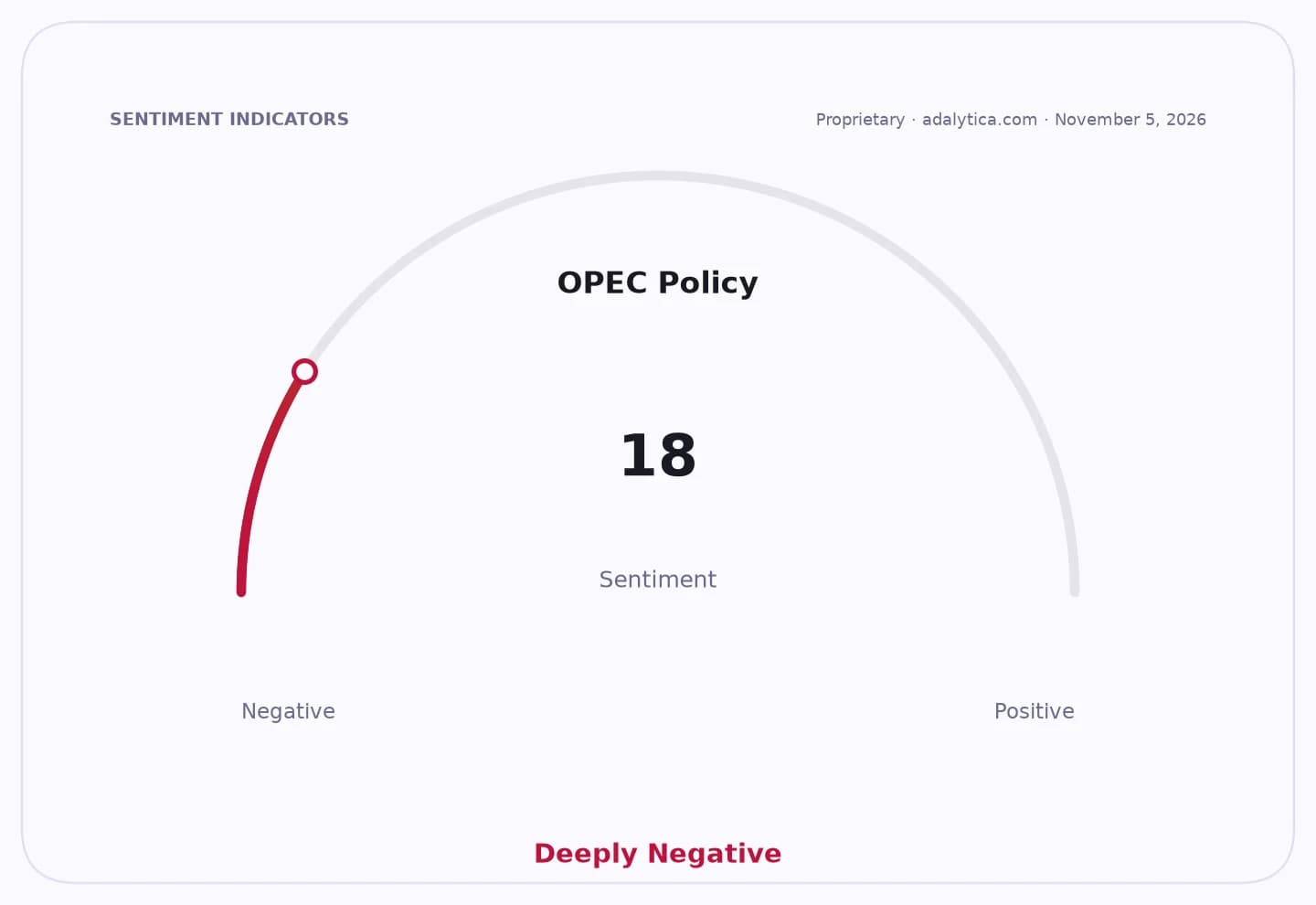
Geopolitical Risk
For investors, the supply increase is bearish for crude, refiners and oil-linked inflation hedges. WTI futures were last around $98 a barrel in the source reporting, while market gauges from Adalytica show oil trade sentiment at neutral and fear in awareness, with WTI sentiment down 7% over the past week and 62% over the past month.
The move also reinforces a split in the sector: upstream producers may still benefit from historically elevated prices, but sustained OPEC supply growth could cap further gains in oil and support equities in fuel-intensive industries and importers. The next focus is whether Iraq can sustain higher exports through the Strait of Hormuz agreement and whether OPEC keeps restoring supply into year-end.
| Entity | Gains | Losses |
|---|---|---|
| Iraq, Saudi Arabia, Kuwait | ▲Higher output and export revenue | ▼Smaller market share discipline |
| OPEC consumers and refiners | ▲More supply, lower price pressure | ▼Higher-cost crude exposure eases |
| Oil importers, airlines, factories | ▲Lower input costs | ▼Energy exporters and hedged longs |
| Brent/WTI bears | ▲Price relief and softer tightness narrative | ▼Bulls betting on renewed supply shock |