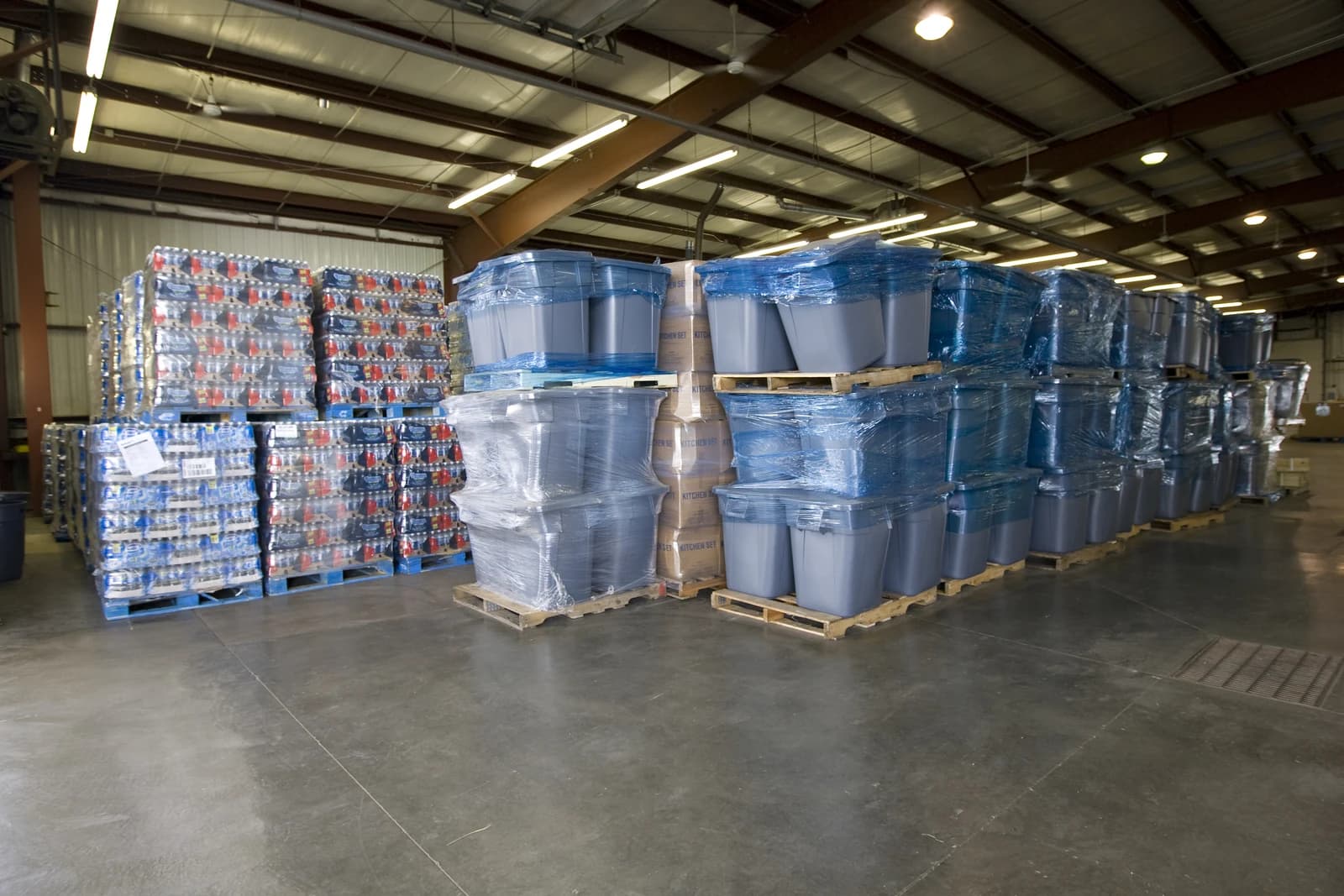
Governments are no longer treating war, cyberattacks and extreme weather as tail risks — they are telling households to keep enough supplies to ride out the first 72 hours of a crisis, and that is quietly creating a durable demand tailwind for retailers that sell food, water, batteries and first-aid goods.
Walmart, Costco, Kroger Gain on Stockpiling Demand
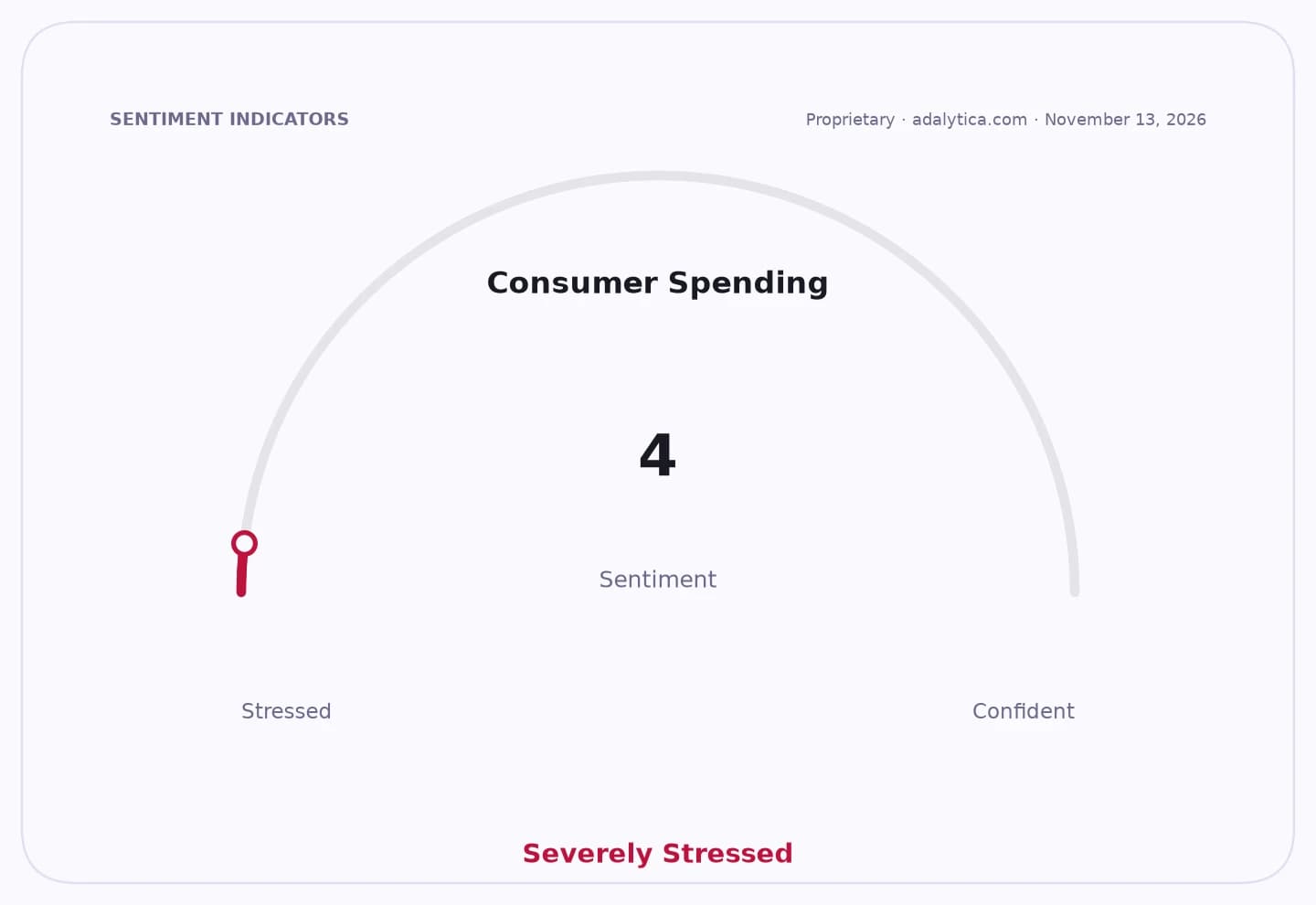
The economic significance goes beyond fear. When public agencies tell citizens to stock up on basics, they are effectively pulling forward consumer spending into categories that are defensively priced, high-frequency and resilient in downturns. That matters now because the global backdrop is moving in the wrong direction: geopolitical strain remains elevated, weather shocks are becoming more frequent, and governments are increasingly worried about infrastructure disruptions that can interrupt power, water and logistics with little warning.
Sentiment Indicators
For investors, this is not just a headline about civil defense. It is a thesis about recurring basket demand. The strongest beneficiaries are the companies that dominate pantry-staple distribution and emergency essentials — Walmart and Costco first, with Kroger also in the mix. These are the toll roads of household preparedness: when shoppers rush to build a buffer, they do not invent new products, they buy what is already on the shelf, and they usually buy it from the biggest, cheapest and most reliable chains.
The market is already starting to price that in. Walmart has climbed sharply and is trading above both its 50-day and 200-day moving averages, while Costco has extended to record territory with momentum readings that show the stock remains stretched but powerful. Kroger, too, has recovered strongly from its summer lows. Those moves reflect more than a safe-haven bid; they suggest investors are recognizing that preparedness spending is turning from a one-off impulse into a structural feature of consumer behavior.
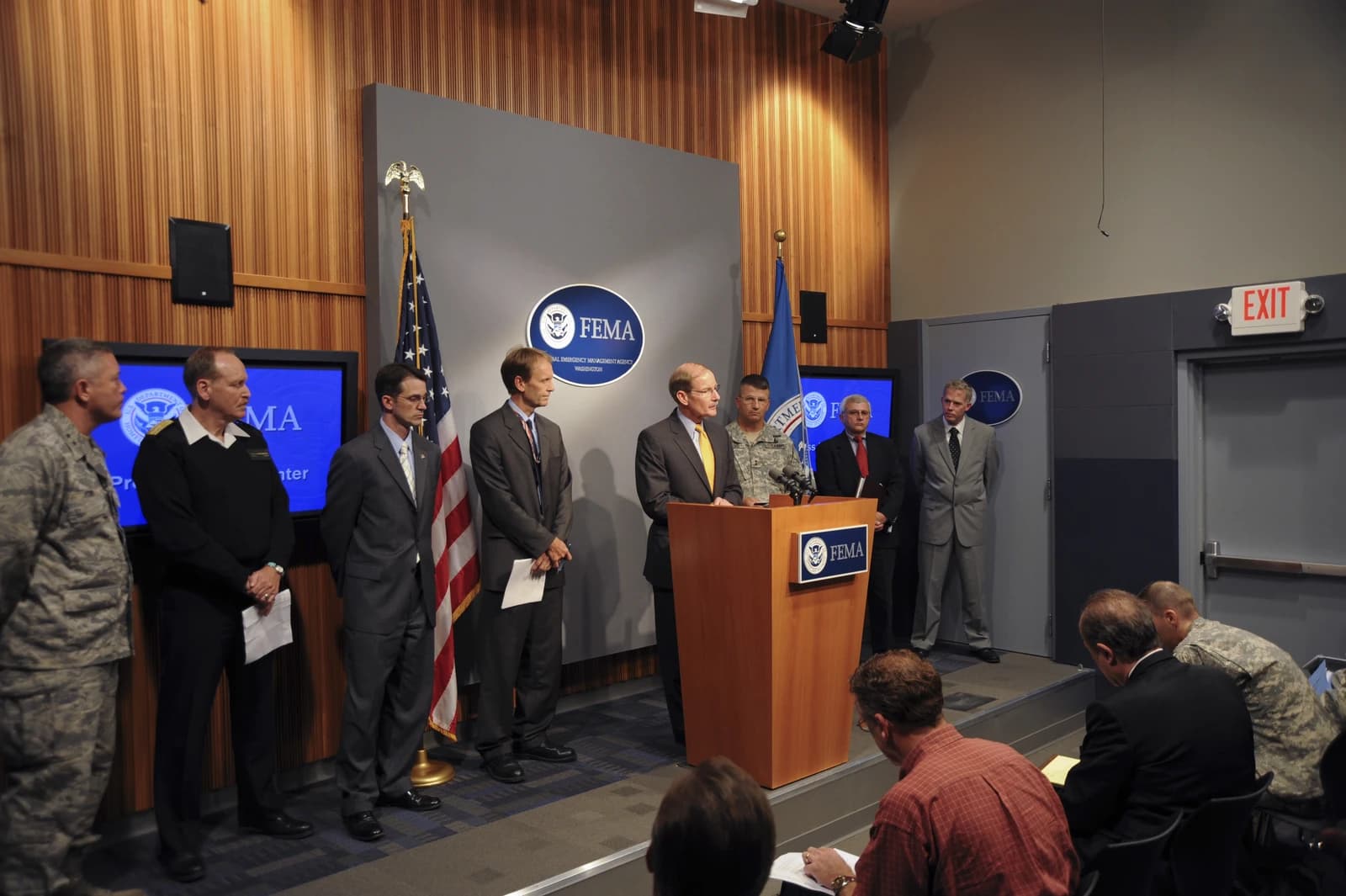
That is why this theme matters even if the public message is framed as caution, not panic. The European Union’s 72-hour self-sufficiency guidance, along with similar advisories from local authorities elsewhere, signals that emergency stockpiling is becoming normalized policy. Once governments embed preparedness into official advice, households tend to keep replenishing rather than waiting for the next crisis to start from zero. That benefits grocers, warehouse clubs and mass merchants that can capture repeat trips and larger baskets.
The bigger opportunity, in my view, is to treat emergency preparedness as a secondary but durable demand layer on top of the broader resilience trade. The same companies that benefit from pantry loading also benefit from trade-down behavior, defensive allocation and supply-chain rerouting. In a world of more weather events, more cyber risk and more geopolitical friction, the winners are the retailers and suppliers that can keep shelves full when consumers decide they cannot afford to wait.
Investors should watch whether this government-led stockpiling trend expands from Europe into other developed markets. If it does, the strongest names in essential retail could keep compounding long after the initial scare fades. The setup favors staying long the companies that sell readiness, not the headlines that warn about it.
| Entity | Gains | Losses |
|---|---|---|
| Walmart (WMT) | ▲emergency essentials demand | ▼casual discretionary spend |
| Costco (COST) | ▲bulk stockpiling baskets | ▼shoppers delaying purchases |
| Kroger (KR) | ▲pantry-staple traffic | ▼smaller nonessential baskets |
| Consumers without supplies | ▲official guidance and readiness | ▼short-term cash outlay |