A cyberattack that knocked out refrigeration systems at a grocery store in southeastern Poland has turned a routine retail outage into a reminder of how quickly digital intrusions can turn into physical losses.
Kroger, Walmart Face Grocery Cyber Risk
The incident, which hit a food retailer in Harcie in the Rzeszów region overnight on Nov. 1-2, left cold stores inoperable and caused more than 23,000 zlotys in damage, according to local police. Authorities said the likely cause was interference with the store’s IT network and are investigating. While the financial hit in this case is small in absolute terms, the broader risk is not: supermarkets depend on tightly coordinated refrigeration, logistics and inventory systems, so a cyber breach can spoil stock, disrupt sales and force costly emergency repairs within hours.
Sentiment Indicators
For food retailers, the episode underscores a vulnerability that investors often treat as operational rather than strategic. Refrigeration failure is not just a maintenance issue; it can hit gross margin, raise shrink, and interrupt cash flow in businesses where fresh inventory turns quickly and spoilage is already a constant pressure. The news also lands against a backdrop of rising concern over attacks on retail infrastructure in Europe, where authorities have linked some recent incidents to state-backed actors. That raises the probability of more frequent and more sophisticated attempts to disable store systems rather than simply steal data.
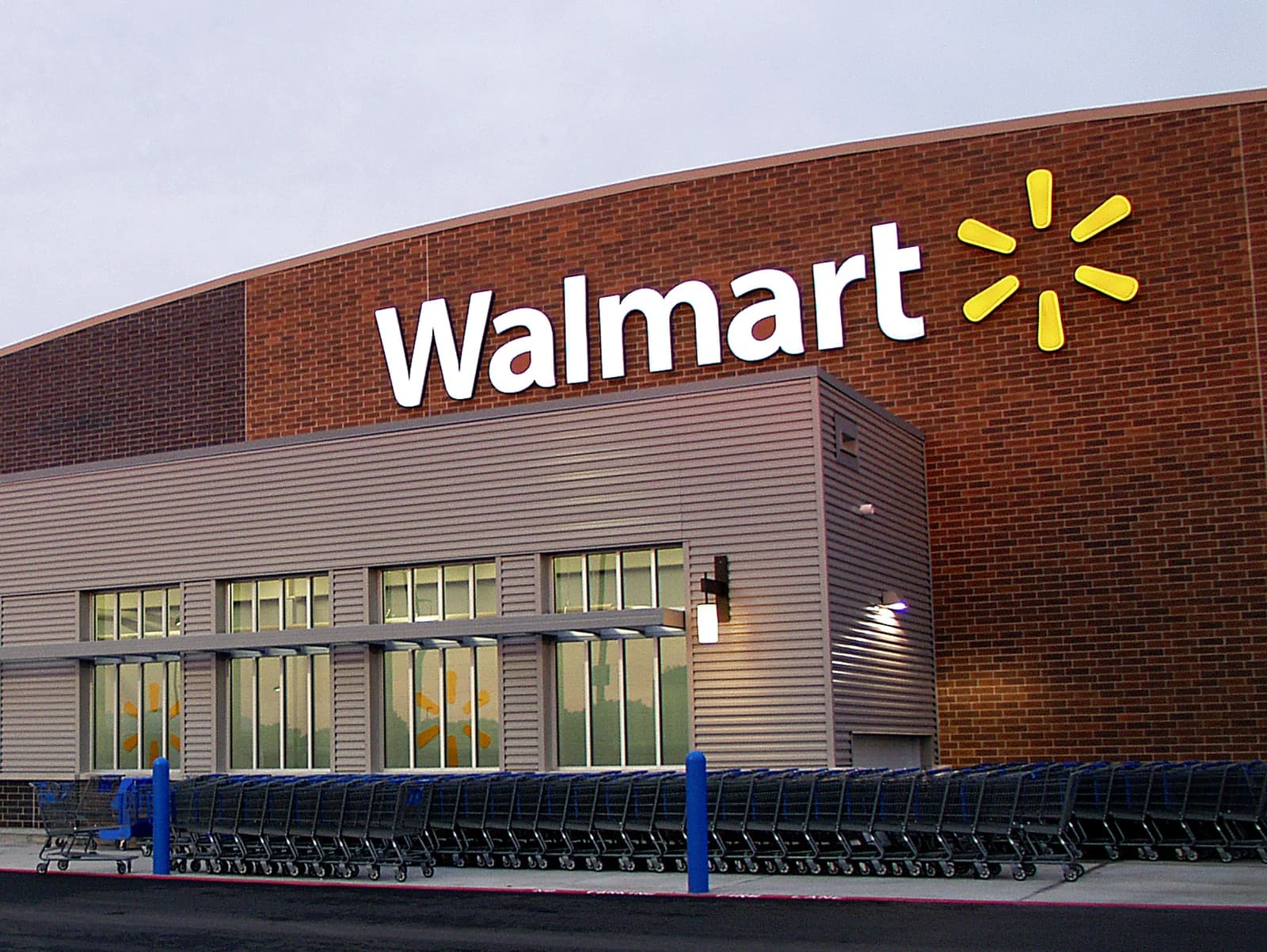
Publicly traded grocery chains such as Kroger, Albertsons and Walmart have all flagged cyber incidents and business continuity risks in their filings, reflecting how critical technology has become to store-level operations. For Kroger and Albertsons, which rely heavily on fresh and chilled products, repeated outages would be most damaging because they can directly erode the economics of perishable inventory. Walmart is better diversified and larger, but its scale also makes any systemic vulnerability more visible to regulators and customers. Shares in the group have remained resilient, with Kroger and Walmart trading above their 50-day moving averages, but the incident is a reminder that operational resilience is now part of the investment case.
The deeper market narrative is that grocery retail is becoming a critical infrastructure story as much as a consumer one. The winners are operators with stronger cyber defences, backup power and manual override systems; the losers are stores that depend on uninterrupted digital control of perishables and cannot absorb even brief downtime without write-offs. As attackers test the weakest links in supply chains and store technology, investors will be watching not just sales growth and margins, but the cost of keeping food cold.
| Entity | Gains | Losses |
|---|---|---|
| Cybersecurity vendors | ▲Higher demand | ▼None directly |
| Grocery chains with resilient systems | ▲Lower disruption risk | ▼Higher security spending |
| Affected local retailer | ▲None | ▼Spoiled inventory, repair costs |
| Investors in vulnerable grocers | ▲Better disclosure and preparedness focus | ▼Higher shrink and margin risk |