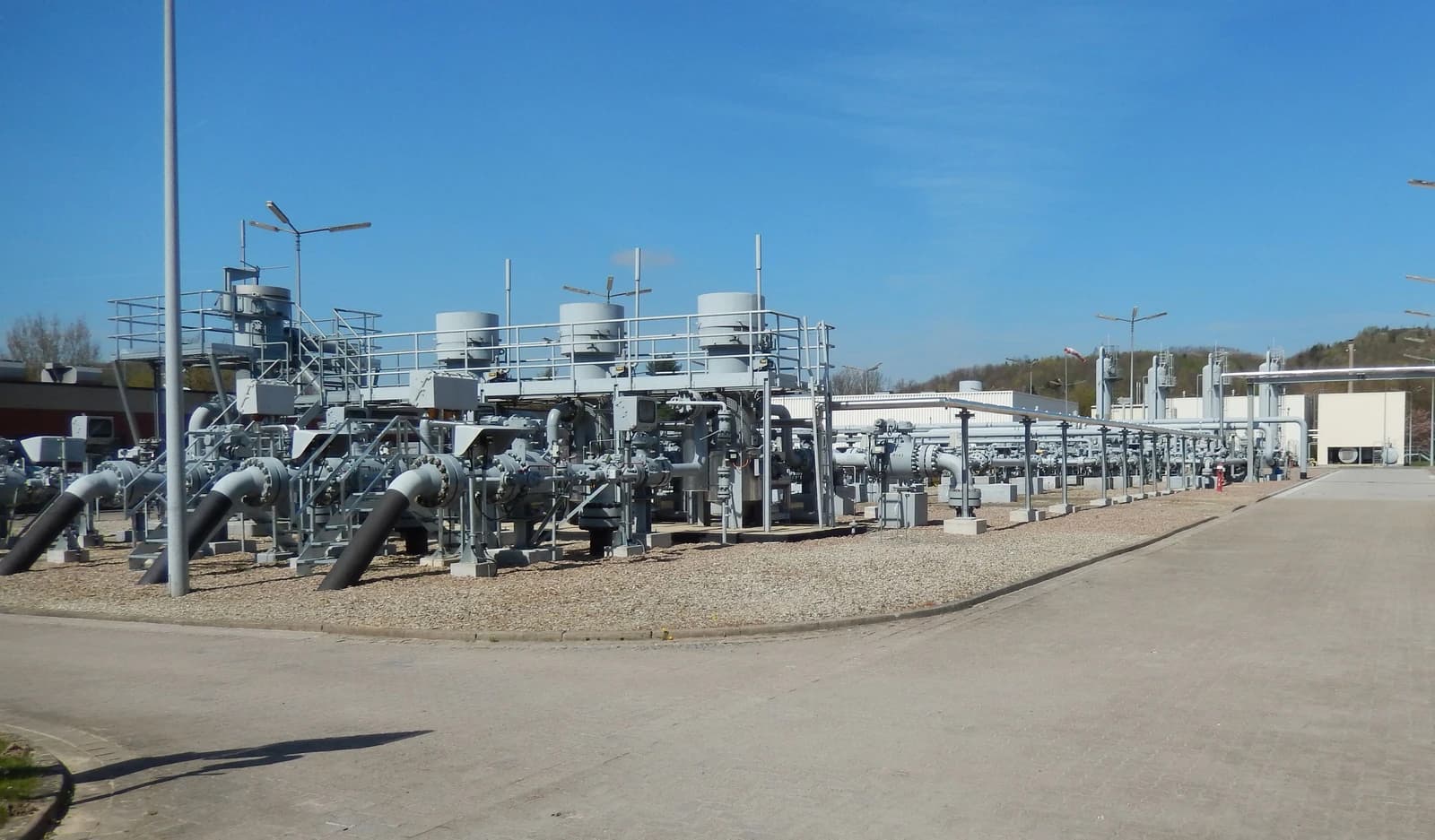
Leag will try again to win contracts for gas-fired backup plants in Germany, underscoring how the country’s power transition is increasingly relying on flexible fossil capacity to keep the grid stable when wind and solar output falter.
Leag Bids Again for Germany Gas Backup Plants
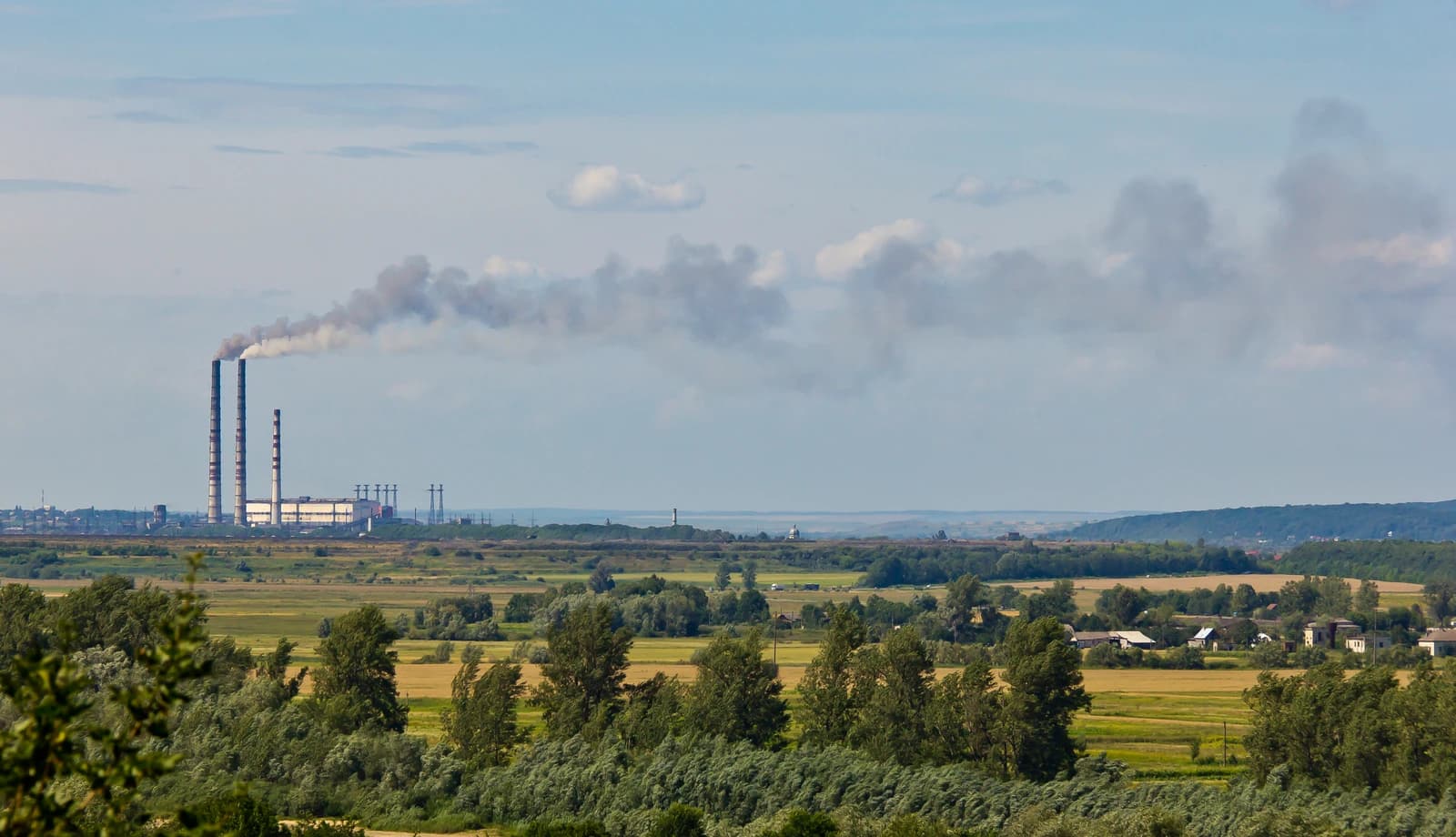
The Lausitz-based utility said it will bid in the next round of the federal auction for capacity payments, targeting the Schwarze Pumpe site in Brandenburg and Lippendorf in Saxony after securing seven projects in the first tender. That earlier round, in which 11 of 41 bids won awards, marked Leag as one of the biggest winners in Germany’s push to add dispatchable generation that can sit idle for much of the year but be paid to stand ready.
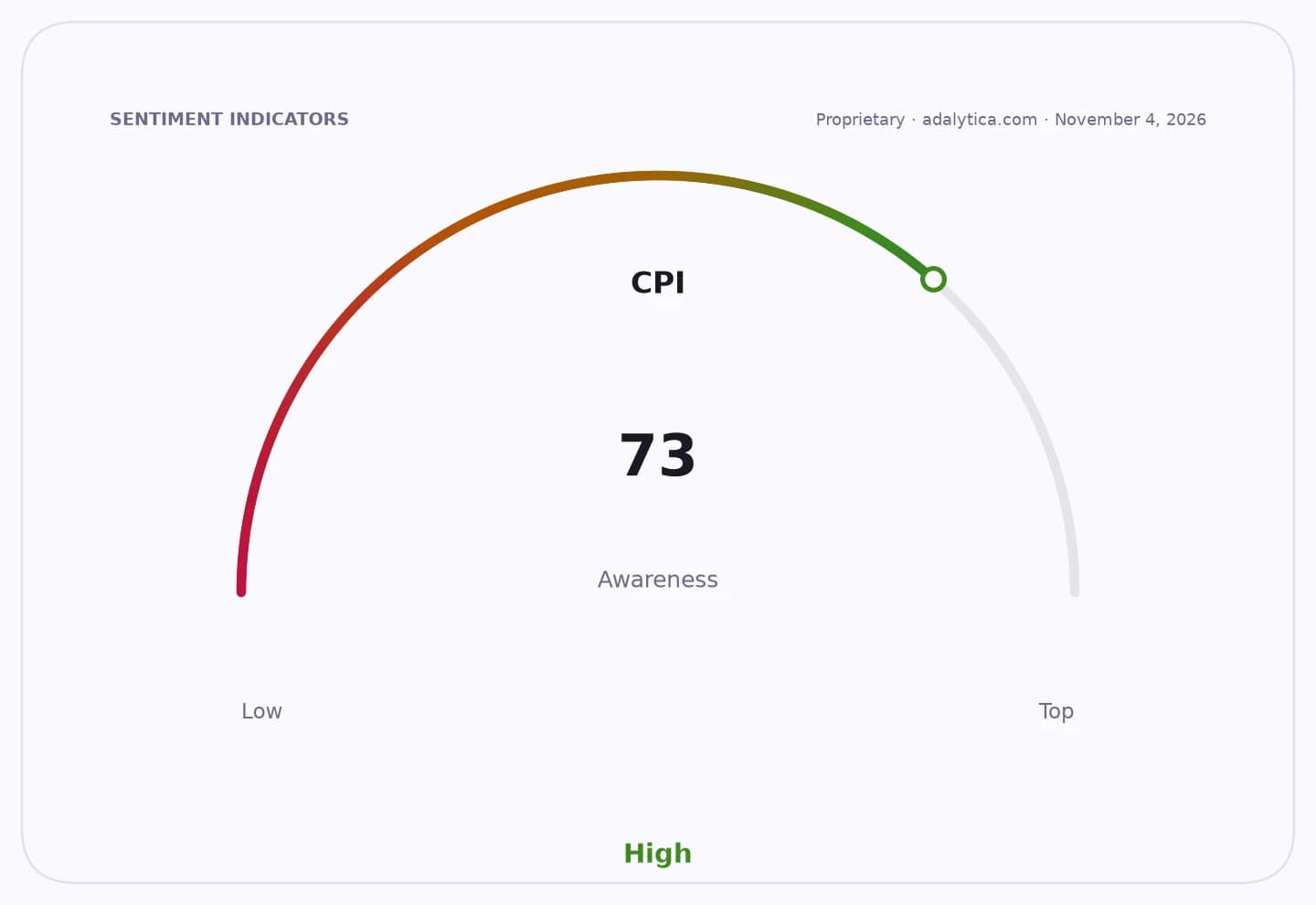
Sentiment Indicators
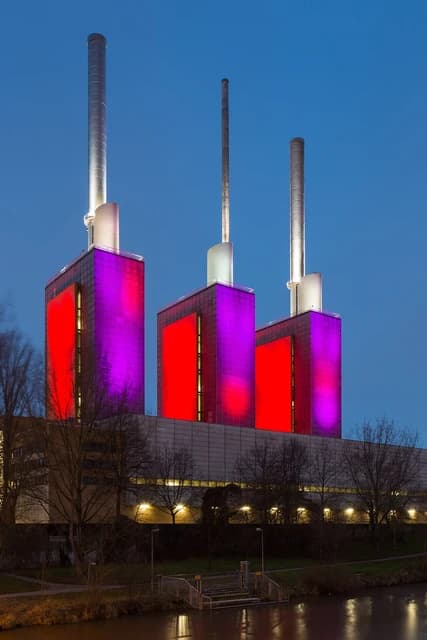
For investors, the development matters because these projects are not traditional merchant power bets. They are regulated-capacity style assets: Leag would receive long-term support payments, with consumers ultimately footing the bill through a new surcharge on electricity bills. That makes the award process a key determinant of future cash flow visibility for utilities, equipment suppliers and fuel-linked businesses, while also affecting power prices and the policy debate over the cost of decarbonisation.
Leag chief executive Adi Roesch said the company aims to submit the “most economical offer” again, pointing to a strategy of converting existing lignite units rather than building entirely new gas plants. The company argues that reusing turbines lowers execution risk and shortens lead times at a moment when delivery slots for new gas turbines are tight. Roesch said the plants may only run “a few hundred operating hours” a year, but would still provide crucial back-up when renewable generation is weak.
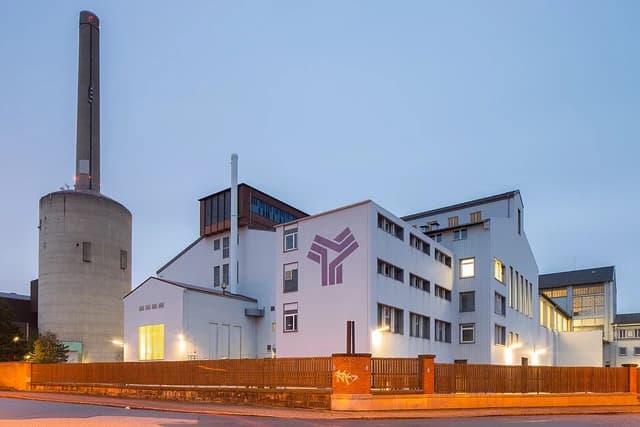
That position has drawn criticism from southern German policymakers, who argue that converted coal sites are less efficient than modern plants and could require more gas imports, raising system costs. Supporters counter that the approach preserves industrial jobs in the Lausitz and keeps coal regions relevant as the country restructures its energy system. Saxony-Anhalt and Brandenburg have become central battlegrounds in that transition because they combine grid needs, industrial employment and political pressure to maintain energy security.
The larger market implication is that Europe’s energy transition is not moving in a straight line away from gas. Even as governments push more renewables, the need for firm backup capacity is rising, a trend reinforced by higher power-system volatility and, in broader markets, by continued interest in gas infrastructure. Natural gas prices remain sensitive to storage levels, weather and export demand, while utilities with infrastructure and permitting advantages are better positioned than pure-play renewables developers to capture the next wave of capacity spending.
Leag says it expects the new plants to be ready by the end of October 2031, but the final economics will depend on the next two tenders and the level of subsidy ultimately approved. For power investors, the key issue is no longer whether Germany needs backup generation — it does — but which technologies, sites and balance sheets will be paid to provide it.
| Entity | Gains | Losses |
|---|---|---|
| Leag | ▲More capacity awards | ▼Higher execution risk |
| German grid and consumers | ▲More backup supply | ▼Higher bill surcharge |
| Lausitz coal region | ▲Industrial jobs retained | ▼Faster coal exit |
| New-build gas developers | ▲Policy support for gas capacity | ▼Advantage to converted plants |