Higher pump prices are still filling the finance minister’s coffers, and the real risk for drivers and investors is that Germany’s fuel bill could climb again in 2027 as taxes, carbon costs and biofuel quotas tighten.
Germany fuel prices could rise again in 2027
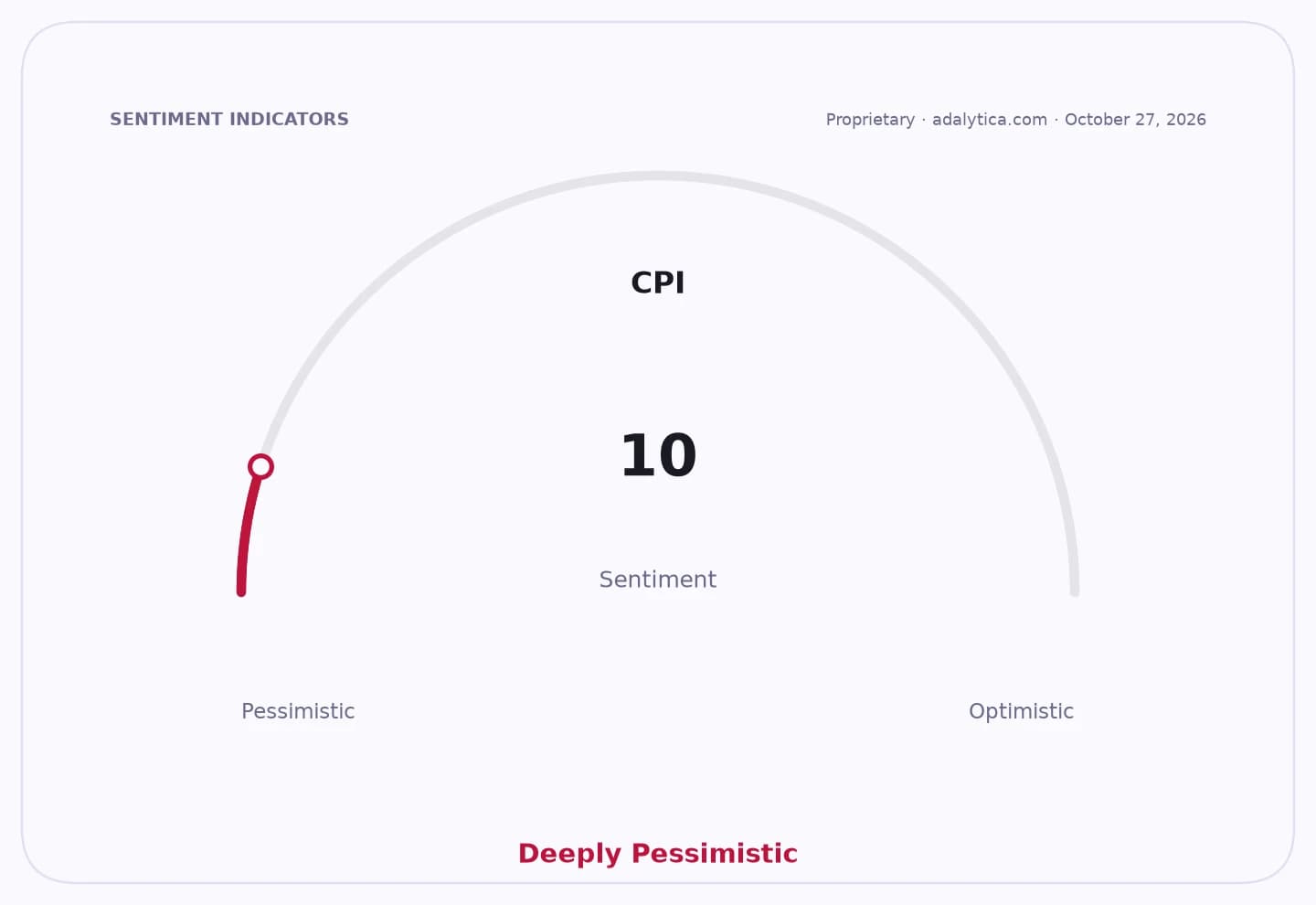
CPI
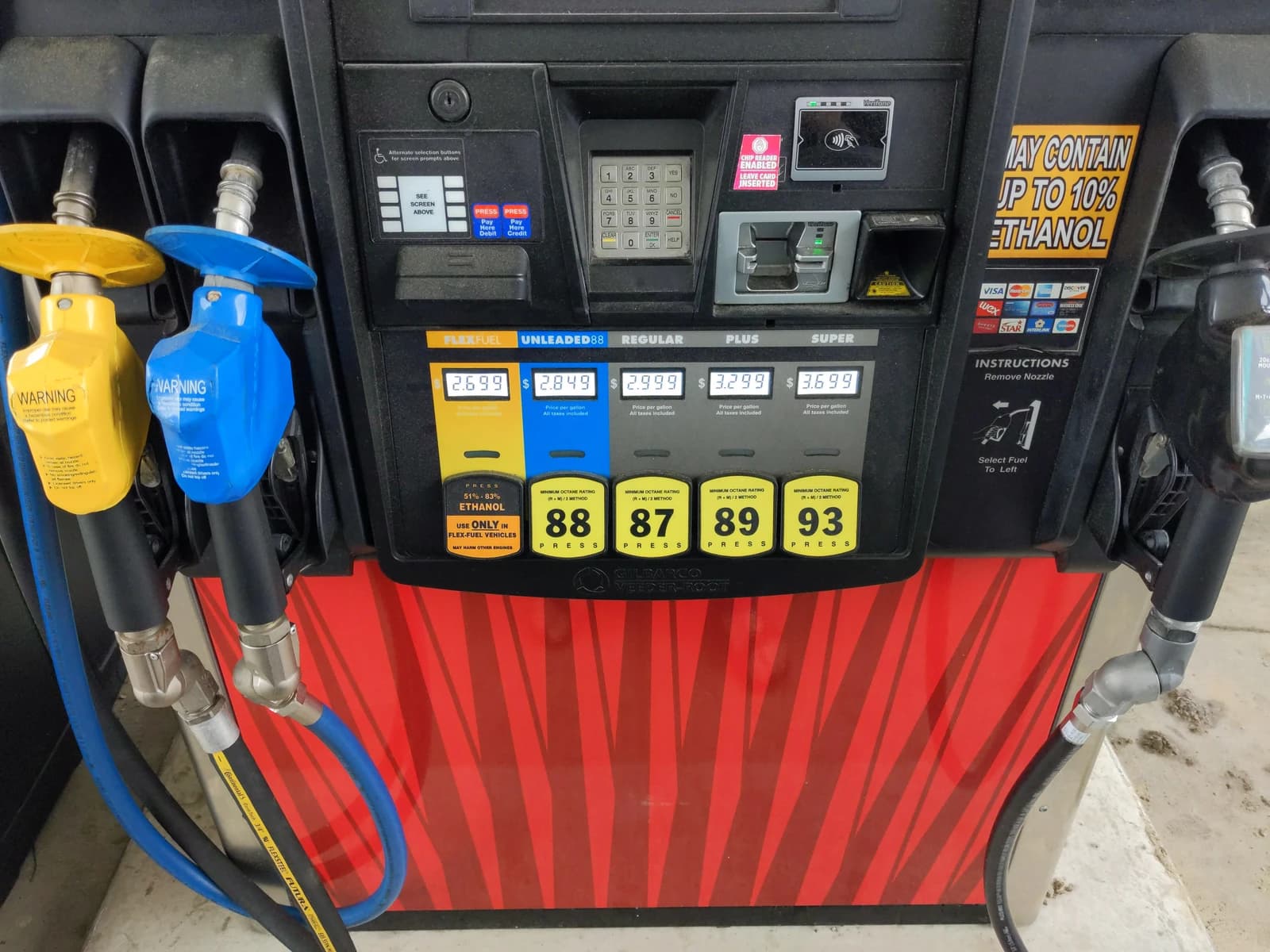
That matters because fuel is not just a household expense in Europe’s biggest economy; it is a direct lever on inflation, consumer purchasing power and the political mood around energy policy. When gasoline and diesel stay expensive, the state captures more value through VAT and fuel duties, while motorists absorb the squeeze. The debate now centers on how much of the next price leg will come from government policy rather than crude oil, and that distinction will shape the next round of inflation expectations.
Sentiment Indicators
The context is unmistakable. Commentary around the latest fuel-price debate points to the end of the temporary “tank discount,” a rising THG quota and a planned price cap as major forces pushing retail fuel costs higher in 2027. Some readers argue the oil industry is keeping too much of the benefit from earlier tax relief, pointing to refinery and wholesale margins. Others say the state is the main winner, because every extra cent at the pump also feeds value-added tax receipts.
That is why this story matters economically. Even if the crude market does not reprice sharply, German consumers can still face a structurally higher fuel bill because policy is doing the heavy lifting. The result is a slow tax drain on disposable income, especially for commuters and lower-income households with limited ability to switch transport modes. It also keeps upward pressure on transport costs across the economy, from logistics to food distribution.
For investors, the key message is that the inflation impulse may not be finished. Germany’s CPI has remained elevated, and the fuel debate comes at a time when core price pressure is still proving sticky. If pump prices rise into 2027, that could keep headline inflation from falling as fast as policymakers want, complicating the European Central Bank’s easing path and supporting pricing power in energy, refining and downstream distribution.
The market angle is broader than one country. Persistent fuel inflation tends to favor companies with exposure to conventional energy supply chains, while it punishes discretionary spending and transport-sensitive sectors. It also strengthens the long-term case for electrification, public transport and alternative fuels, because every fresh spike in gasoline and diesel prices makes the switching economics more compelling for consumers.
At the same time, the policy mix carries second-order effects that investors should not ignore. If lawmakers push harder on quotas, taxes and carbon costs, the winners may be governments and low-carbon mobility plays, while refiners, fuel retailers and gasoline-dependent demand get squeezed. That creates a clear bifurcation: cash flows rise for the fiscal state and parts of the energy complex, but the private motorist keeps losing purchasing power.
The investment takeaway is straightforward: treat German fuel inflation as a recurring policy-driven tailwind for state revenues and a structural headwind for consumers. The market underestimates how much of the next price increase could be embedded in regulation rather than oil, and that makes the beneficiaries of the transition — from EV infrastructure to alternative-fuel exposure — worth owning before 2027 pricing pressure fully shows up.
| Entity | Gains | Losses |
|---|---|---|
| German state | ▲Higher VAT and fuel tax take | ▼Political goodwill |
| Oil majors and refiners | ▲Wider downstream margins | ▼Scrutiny over pricing |
| Drivers and commuters | ▲Nothing | ▼Disposable income |
| EV and alternative-fuel plays | ▲Faster adoption case | ▼Near-term affordability debate |