Serbia is likely headed for higher electricity prices, and investors should view that not as a one-off utility adjustment but as a sign that the country’s energy system needs a longer-term overhaul to secure gas supplies and reduce exposure to volatile markets.
Serbia Electricity Prices Likely to Rise
That is the message from the Energy Association, whose member Željko Marković said electricity “will have to become more expensive” and that Serbia needs a durable strategy for gas supply. For households and industry, the implication is straightforward: cheap power is getting harder to sustain if the country remains vulnerable to fuel shocks, import dependence and price swings in regional energy markets.
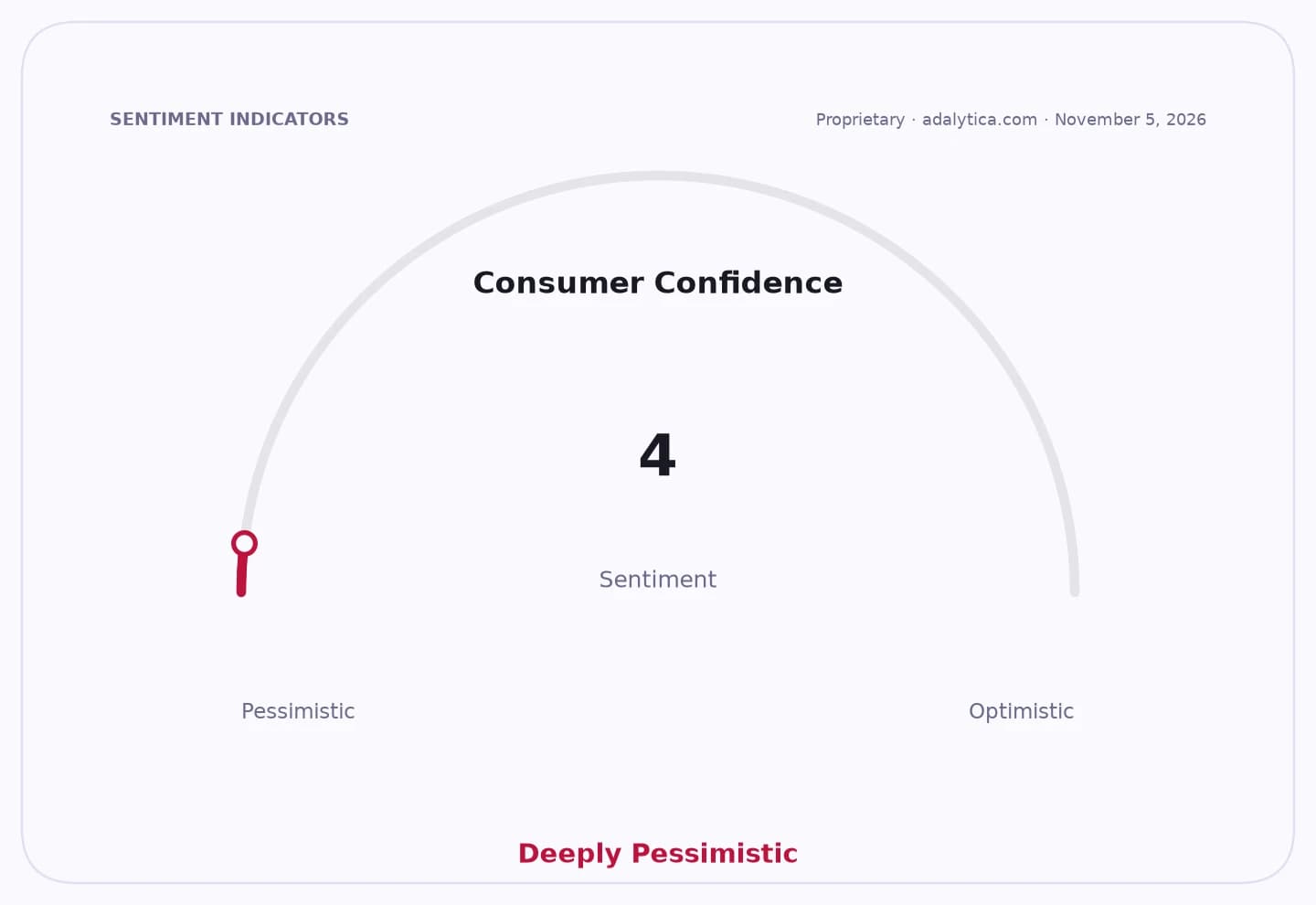
Sentiment Indicators
The timing matters. Across Europe, electricity prices have been pressured by higher natural gas costs and weak renewable output, with several Central and Eastern European power markets seeing day-ahead prices surge to levels not seen since the 2022 energy crisis. When gas prices move sharply, electricity often follows, because gas-fired generation still sets the marginal cost in many systems. That is why the debate in Serbia is not just about utility tariffs — it is about inflation, industrial competitiveness and energy security.
Marković also pointed to a fresh U.S. OFAC license for Hungary’s MOL, linked to a possible stake in Naftna industrija Srbije, which runs through Feb. 28, 2027. That does not solve Serbia’s energy vulnerability, but it does show how closely the country’s fuel supply is tied to sanctions policy and foreign operators. For a market like Serbia, where energy logistics and geopolitics overlap, the ability to secure crude and refined products is part of the same story as keeping the lights on.
For investors, the key question is who absorbs the cost. If electricity prices rise, utilities may get some relief on margins, but consumers and energy-intensive businesses will feel the pinch first. Higher power costs can also feed into broader inflation, which tends to keep interest rates higher for longer and weigh on growth. In that environment, companies with heavy power use face a tougher earnings backdrop, while regulated utilities and infrastructure owners may gain pricing room if governments allow it.
Longer term, this is exactly the kind of backdrop that rewards capital discipline and diversification. Serbia, like much of Europe, cannot rely indefinitely on a mix of imported gas and price interventions. It needs storage, alternative supply routes and more predictable procurement. If policymakers move in that direction, the pain of higher tariffs could eventually buy a more resilient system. If they do not, the country risks repeating the same volatility every time gas markets tighten.
For investors, the takeaway is simple: treat Serbia’s higher electricity costs as part of a broader energy-security reset, not just a utility headline. It is worth watching closely.
| Entity | Gains | Losses |
|---|---|---|
| Power utilities | ▲Higher allowed tariffs | ▼Public backlash if costs rise |
| Energy consumers | ▲More stable future supply | ▼Higher bills now |
| Gas suppliers and infrastructure owners | ▲Stronger strategic role | ▼Greater scrutiny and policy pressure |
| Industrial users | ▲Long-term supply security | ▼Near-term margin pressure |