Türkiye is still talking about phasing out coal before COP31, but the bigger story for investors is that the country’s energy security needs are making that pledge much harder to deliver.
Türkiye coal phaseout faces energy security pressure
That matters because Turkey sits at the intersection of climate policy, geopolitical risk and power demand. A genuine retreat from coal would reshape the country’s generation mix, ease long-term exposure to imported fuels and create opportunities for renewables, grids and energy-transition funding. But if coal use keeps rising in response to regional conflict and fuel-security concerns, the transition becomes slower, more expensive and far less predictable for capital allocation.
Sentiment Indicators
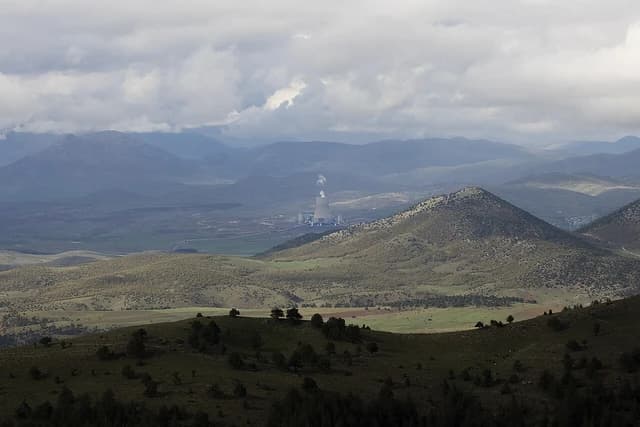
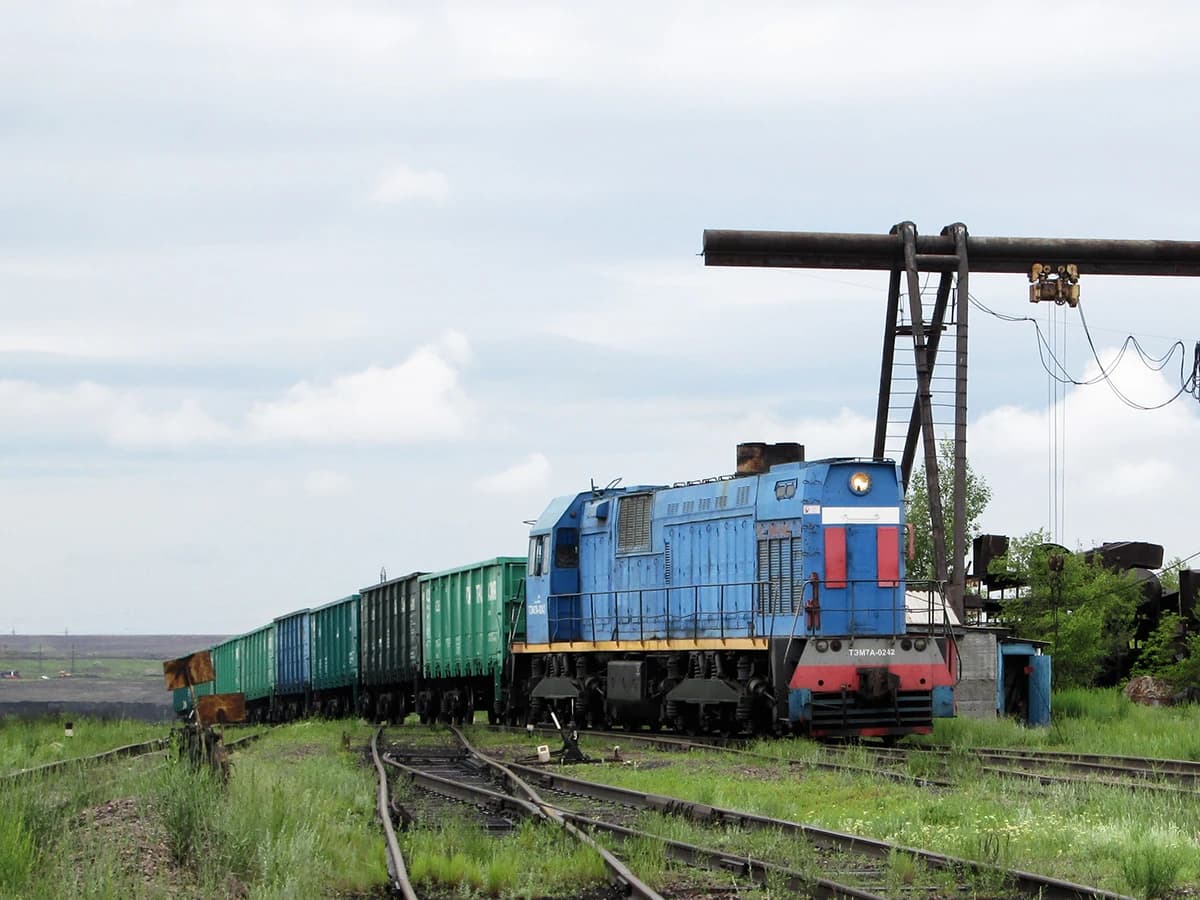
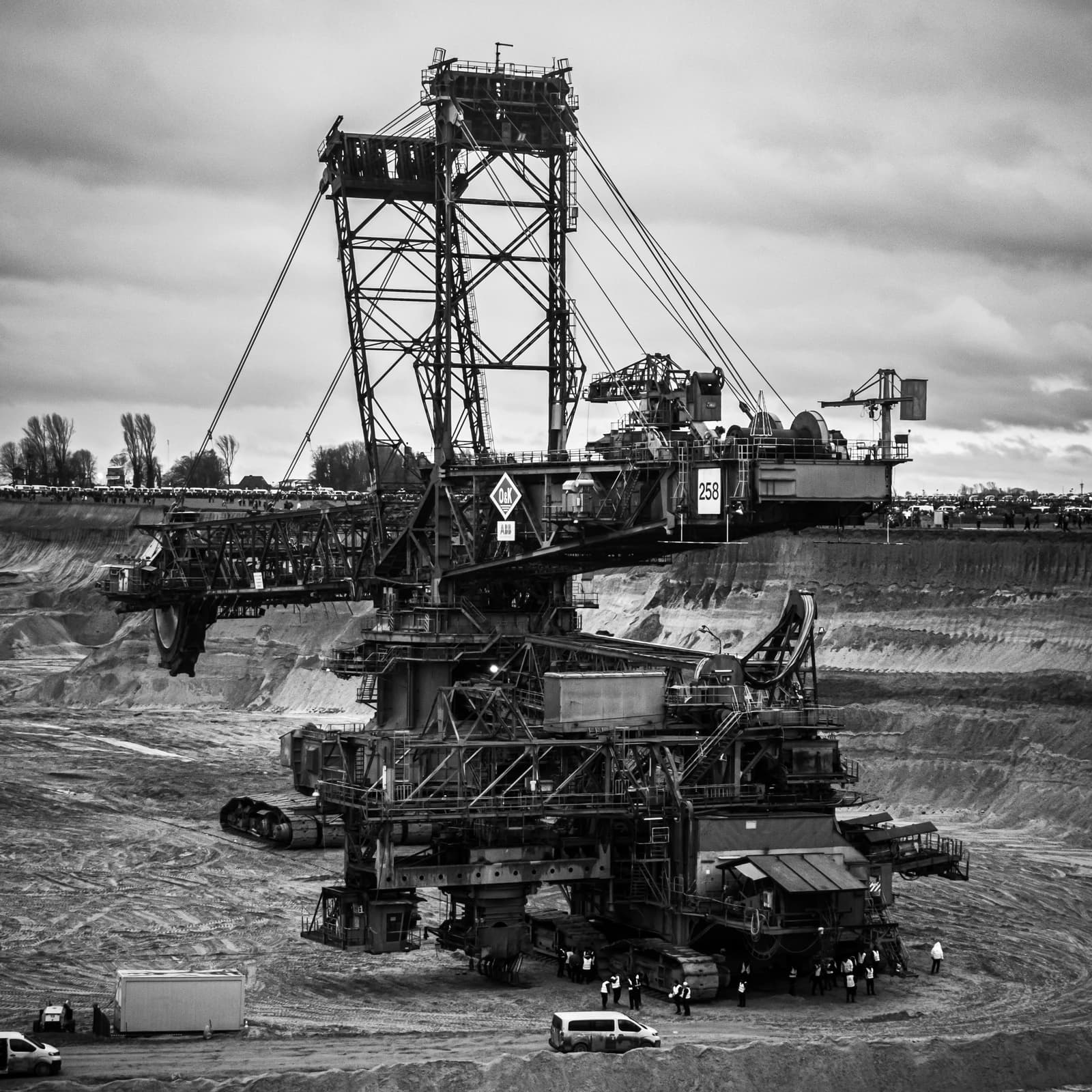
The tension is already visible. Rising coal consumption linked to the Iran war is complicating Ankara’s climate ambitions, even as officials say they want an energy system by 2040 that no longer depends on coal. Domestic resistance is another obstacle, with protests around coal mining in places such as Akbelen showing how politically sensitive closures can be. In other words, this is not just a climate pledge — it is a battle over jobs, power prices, industrial policy and national resilience.
For investors, that creates a split screen. Clean-energy developers, grid operators and transition financiers may gain if Turkey accelerates solar and other low-carbon investments. Coal producers and mine-dependent regions could lose if policy pressure finally turns into enforced closures or tighter regulation. But the market should not assume a straight line from pledge to execution. Countries often announce ambitious phaseouts long before the economics, permitting and politics line up.
The technical picture in the Turkey ETF ticker often used to track the market has been weak as well. The fund sits below its 50-day and 200-day moving averages, and recent RSI readings have improved from deeply oversold levels but still point to a market recovering from stress rather than confirming a strong trend. That is consistent with a country story still searching for clarity rather than one being priced for a clean transition.
Long term, the key question is whether Türkiye can turn climate language into infrastructure spending, permitting reform and a credible coal-down, renewables-up strategy. If it does, the payoff could be meaningful for investors willing to think in years, not weeks. If it does not, coal will remain a structural fixture — and so will the policy risk. For now, this is a story worth watching closely rather than chasing aggressively.
| Entity | Gains | Losses |
|---|---|---|
| Renewable developers | ▲More policy support | ▼Slower permitting if coal stays dominant |
| Coal miners | ▲Near-term energy security demand | ▼Long-term phaseout pressure |
| Turkish government | ▲Energy self-sufficiency narrative | ▼Credibility if COP31 pledges stall |
| Long-term investors | ▲Entry point if transition accelerates | ▼Capital trapped in coal-heavy assets |