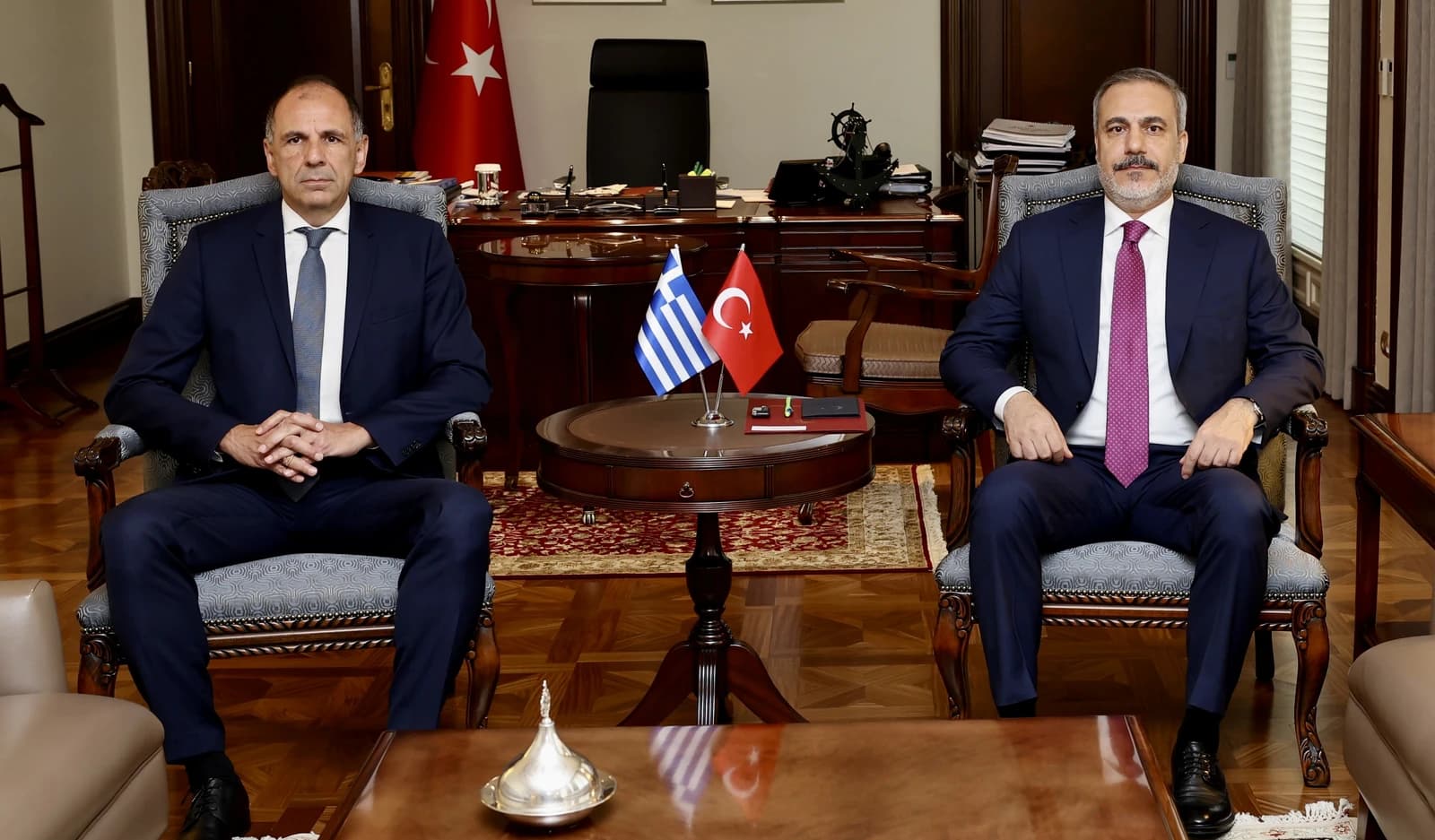
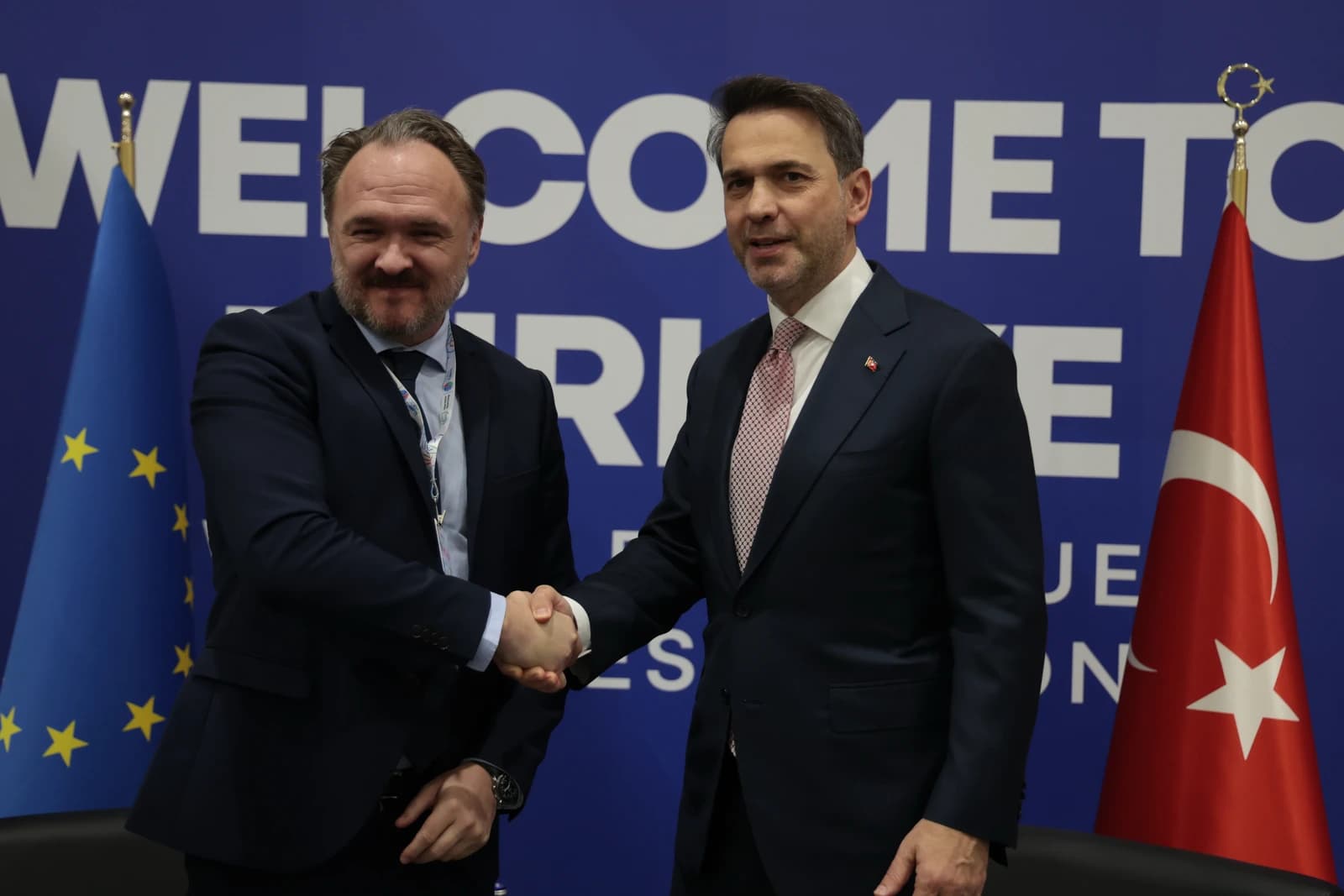
Turkey’s energy minister said Ankara is “open” to cooperation with Greece in the Eastern Mediterranean, a notable de-escalatory signal even as the two countries remain locked in a maritime dispute over an electricity interconnection project and wider offshore rights.
Turkey open to energy cooperation with Greece
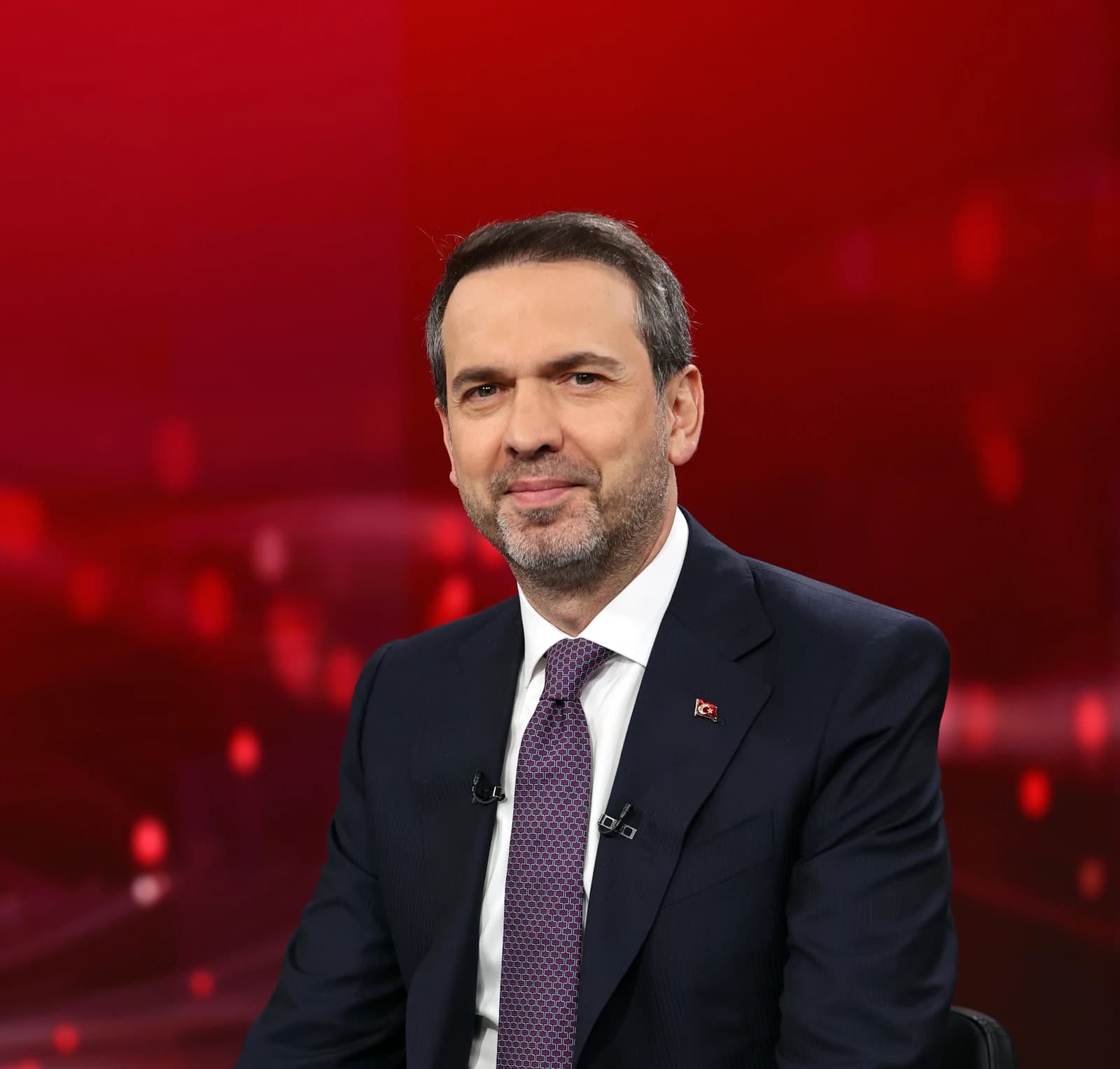
The comments matter because any thaw between the NATO neighbors could lower geopolitical risk around one of the region’s most sensitive infrastructure corridors, where energy, sovereignty and EU politics overlap. For investors, a more cooperative tone reduces the odds of another disruptive standoff in a basin that remains central to gas transit routes, power interconnections and offshore exploration plans.
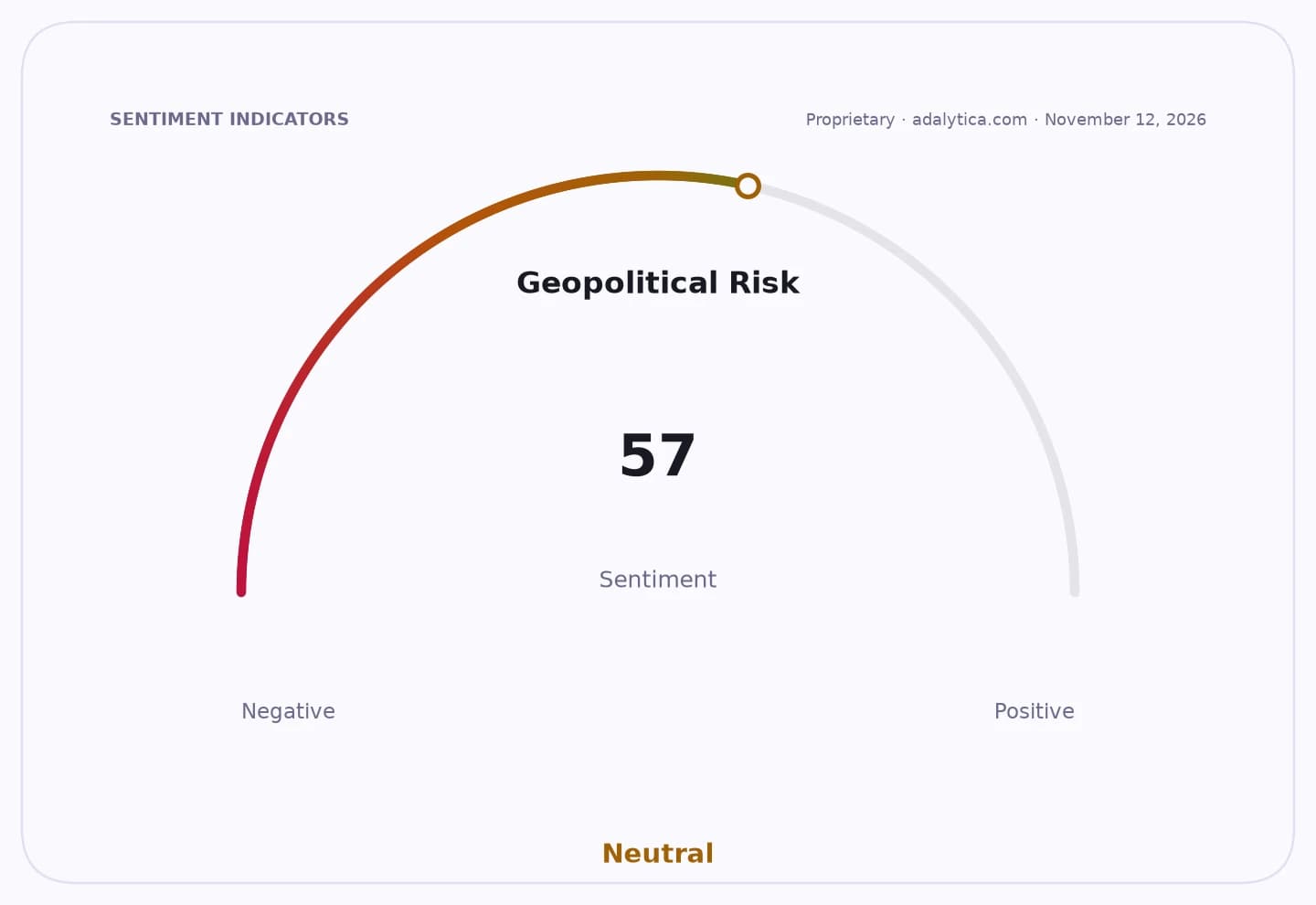
Sentiment Indicators
Alparslan Bayraktar said Turkey would “view positively” a joint path with Greece and suggested broader energy cooperation was possible. The remarks land against the backdrop of repeated friction over the Greece-Cyprus electricity cable project, which Ankara has challenged with maritime notices and which Greek and Cypriot officials have framed as a test of regional rights.
Bayraktar also repeated Turkey’s pitch that it could help provide electricity to Cyprus, including through a submarine cable using renewable power generated in Turkey, and said proposals had previously been rejected for “political” reasons. He went further, reviving Ankara’s longer-term idea of a gas pipeline to northern Cyprus that could later move gas to Turkey and, via Turkey, to European markets.
That sequencing is important. Turkey is not backing away from its claim that it has an alternative answer to the Greece-Cyprus corridor; it is signaling that it wants to shape the architecture of future supply rather than be excluded from it. The message is both diplomatic and strategic: Ankara wants to be seen as indispensable to any Eastern Mediterranean energy network, whether through electricity, gas or reverse-flow capacity.
The market impact is less immediate than a hard policy change, but the implications are broader than a bilateral headline. Eastern Mediterranean infrastructure has long been hostage to politics, and every flare-up raises financing risk, insurance costs and the odds of delays for projects that need multi-year capital. A lower-risk diplomatic tone helps those considering transmission, subsea and upstream investments, even if it does not resolve the underlying maritime dispute.
The comments also arrive as energy markets remain sensitive to geopolitical disruption. Oil prices have been volatile, and investors have been quick to price in supply risk from the Middle East, Russia and the wider Black Sea basin. In that context, any move that reduces the chance of fresh confrontation in the eastern Mediterranean is constructive for regional stability, even if the underlying contest over maritime zones is unchanged.
Turkey’s Oruç Reis survey vessel adds another layer. Ankara said the ship had departed for Pakistan to conduct offshore oil and gas research, underscoring that Turkey is trying to project its energy diplomacy beyond the Eastern Mediterranean and into partner markets where it can expand influence without the same legal friction.
For Greece, Cyprus and the European Union, the key question is whether Ankara’s cooperative language translates into a practical pause in confrontation or simply a parallel effort to outmaneuver rival projects. For investors, the near-term read-through is that the region remains contested, but the door to negotiated energy linkages is not fully shut.
| Entity | Gains | Losses |
|---|---|---|
| Turkey | ▲Diplomatic leverage | ▼None immediately |
| Greece | ▲Lower escalation risk | ▼Pressure on cable strategy |
| Cyprus/EU-backed project | ▲Potential dialogue | ▼More political uncertainty |
| Energy investors | ▲Better de-risking signal | ▼Still exposed to maritime disputes |