Europe is debating whether to name one negotiator, or several, to represent the European Union in any talks with Russia as diplomacy over the war in Ukraine gathers pace but remains deeply contested. The discussion matters because who speaks for Europe could shape the terms of any ceasefire, the bloc’s leverage with Washington and Moscow, and the market’s assessment of how quickly war-related risk premia might ease.
EU debate on one negotiator for Russia talks
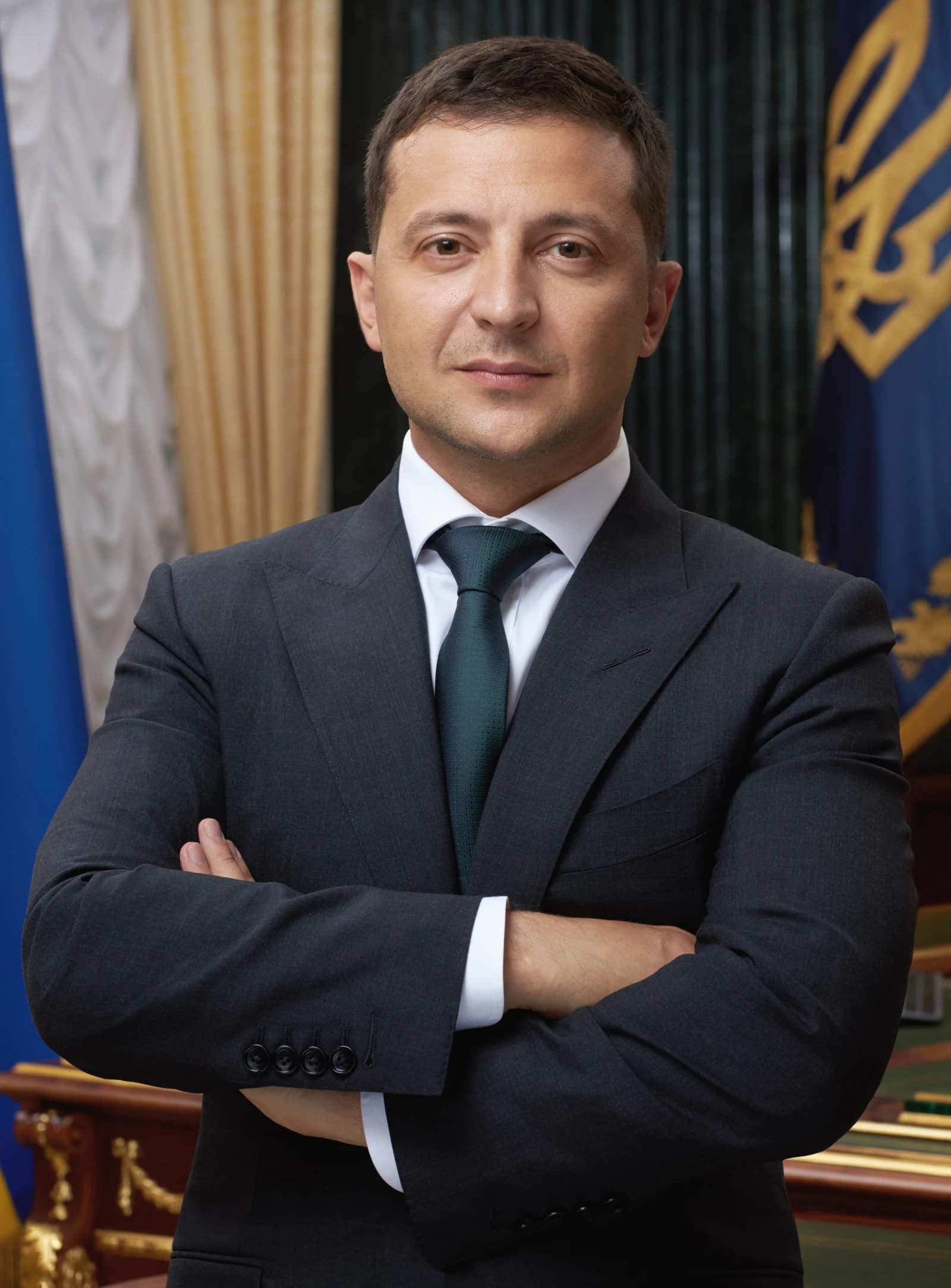
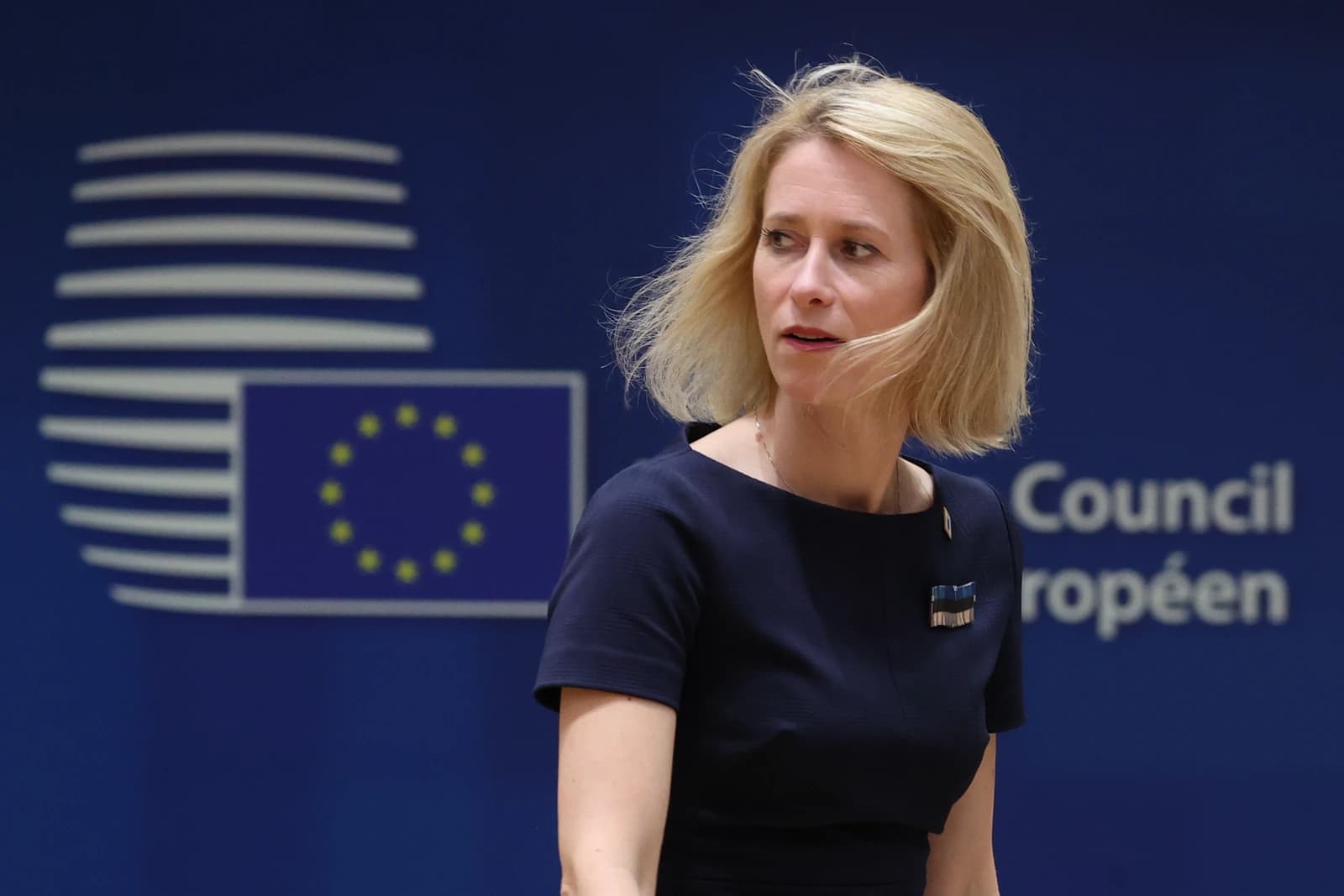
The push was triggered by a letter from Italian Prime Minister Giorgia Meloni to European Council President Antonio Costa, demanding clarity on who would represent the EU in negotiations to end the war. Bild reported that Costa is among the leading candidates, alongside Finnish President Alexander Stubb, former Italian prime minister and European Central Bank chief Mario Draghi, European Commission President Ursula von der Leyen, German Chancellor Friedrich Merz and French President Emmanuel Macron.
Sentiment Indicators
That debate underscores a broader problem for Europe: the bloc wants a seat at the table, but its members do not agree on what that seat should look like. One camp, including countries such as Slovakia, wants to normalize relations with Russia as far as possible. Others remain far more skeptical about direct talks with Moscow. A single envoy could streamline Europe’s position and give Brussels a clearer voice; a multi-negotiator model would reflect political divisions but risk diluting authority.
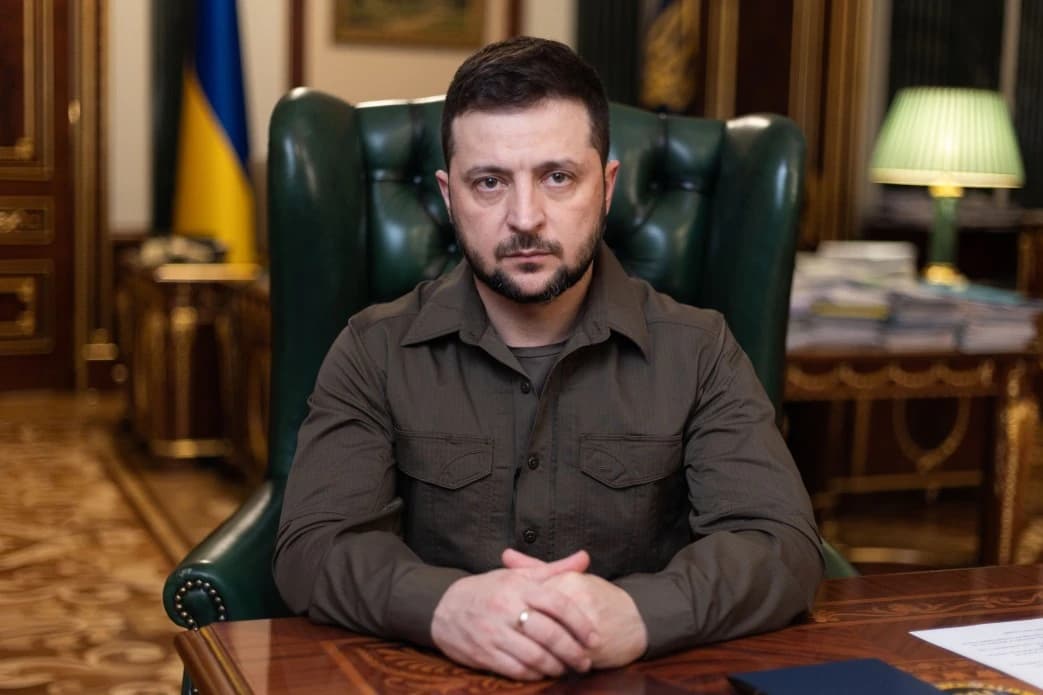
The timing is notable. After two days of trilateral talks in Abu Dhabi involving Russia, Ukraine and the United States, the parties reportedly found common ground on some issues, including a large prisoner exchange. Yet Russia has rejected Europe’s direct participation in the peace process and warned foreign troops against involvement, showing how fragile the diplomatic track remains even after initial progress.
For investors, any credible move toward a negotiated settlement would matter well beyond the battlefield. European gas and oil markets remain highly sensitive to the risk of escalation, sanctions shifts and supply disruptions. Brent-linked energy names, European industrials and defense contractors all trade in part on expectations about how long the conflict persists. Adalytica’s Global Stability Sentiment gauge remains neutral but with “extreme fear” awareness, reflecting how quickly sentiment can swing when diplomacy advances or breaks down.
Energy markets have already shown how geopolitical headlines can move prices. USO, which tracks U.S. oil exposure, has climbed sharply in recent months and remains far above its 50-day average, though recent technical readings show the rally has cooled, with momentum indicators weakening from stretched levels. Gold has also stayed elevated by historical standards, with GLD still above its 200-day average even after a pullback, suggesting investors have not fully priced out geopolitical risk. A credible peace process could pressure both assets if it reduces the odds of supply shocks, sanctions tightening or broader regional instability.
But the bull case for markets is only part of the picture. A more structured European negotiating role could support the eurozone by lowering uncertainty around energy import costs and industrial input prices, while easing pressure on governments already stretched by defense and fiscal spending. The bear case is that fragmentation inside the EU leads to mixed messages, slowing any agreement and keeping risk premiums intact. If Europe cannot settle on one voice, it may have less influence over a deal that is increasingly being shaped by Washington and Moscow.
For now, the key issue is not who gets the title but whether Europe can turn its diplomatic weight into a coherent strategy. If it can, that could matter for war risk, commodity prices and the outlook for European assets. If it cannot, the region may remain a bystander to talks that will still determine its energy security and geopolitical footing.
| Entity | Gains | Losses |
|---|---|---|
| EU central negotiator | ▲Clearer EU voice | ▼Member-state rivalry |
| Russia and US | ▲Faster bilateral leverage | ▼Europe’s direct influence |
| Oil and gold bulls | ▲Higher risk hedge demand | ▼Peace-driven downside |
| European importers and industry | ▲Lower energy uncertainty | ▼Prolonged conflict premium |