Greece has escalated its fight over the Turkey-Libya maritime memorandum to the United Nations, arguing that Libya’s eastern parliament cannot legalize a 2019 deal Athens says is void and without legal effect.
Greece Objects to Turkey-Libya Maritime Deal at UN
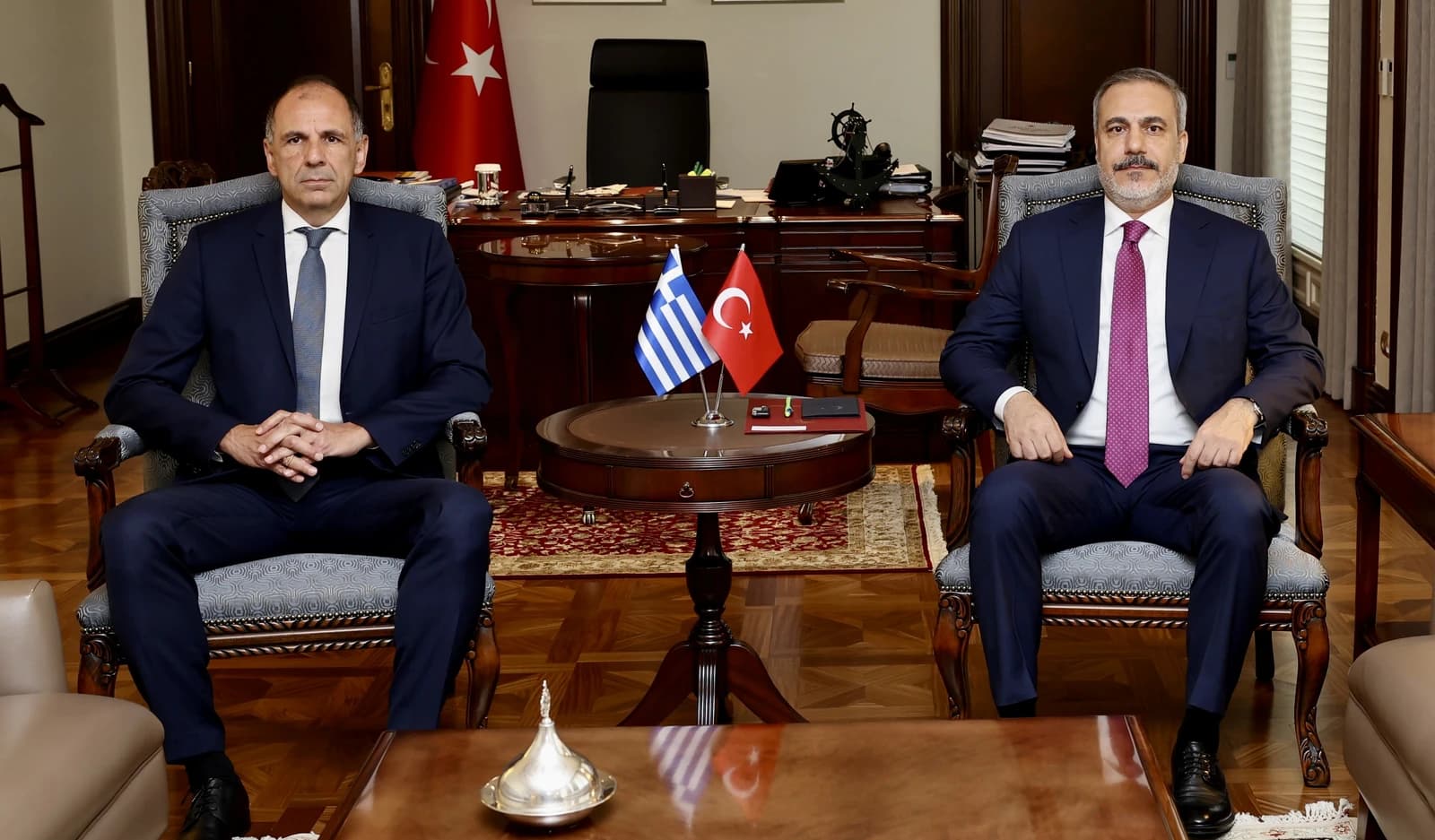
The move matters because the agreement sits at the center of a broader contest over sea borders, offshore energy rights and political influence in the eastern Mediterranean. By formally registering its objection with the UN secretary-general, Athens is trying to prevent the Libyan ratification from hardening into a diplomatic or commercial precedent that could complicate exploration plans, licensing and future boundary talks in a region where energy security remains a strategic prize.
Sentiment Indicators
In a letter dated Oct. 22 and circulated as an official UN General Assembly document, Greece said the eastern Libya House of Representatives’ approval of the memorandum does not confer legal force on the 2019 Turkey-Libya accord. Athens said the deal remains invalid because Turkey and Libya do not have opposing or adjacent coastlines that would justify the maritime line drawn in the text.
Greece also repeated its longstanding objection that the memorandum erases Greek islands from the map. The letter specifically cites Crete and the Dodecanese, saying the deal disregards their right to maritime zones beyond territorial waters and amounts to a “gross reshaping of geography” that conflicts with the UN Convention on the Law of the Sea and established delimitation practice.
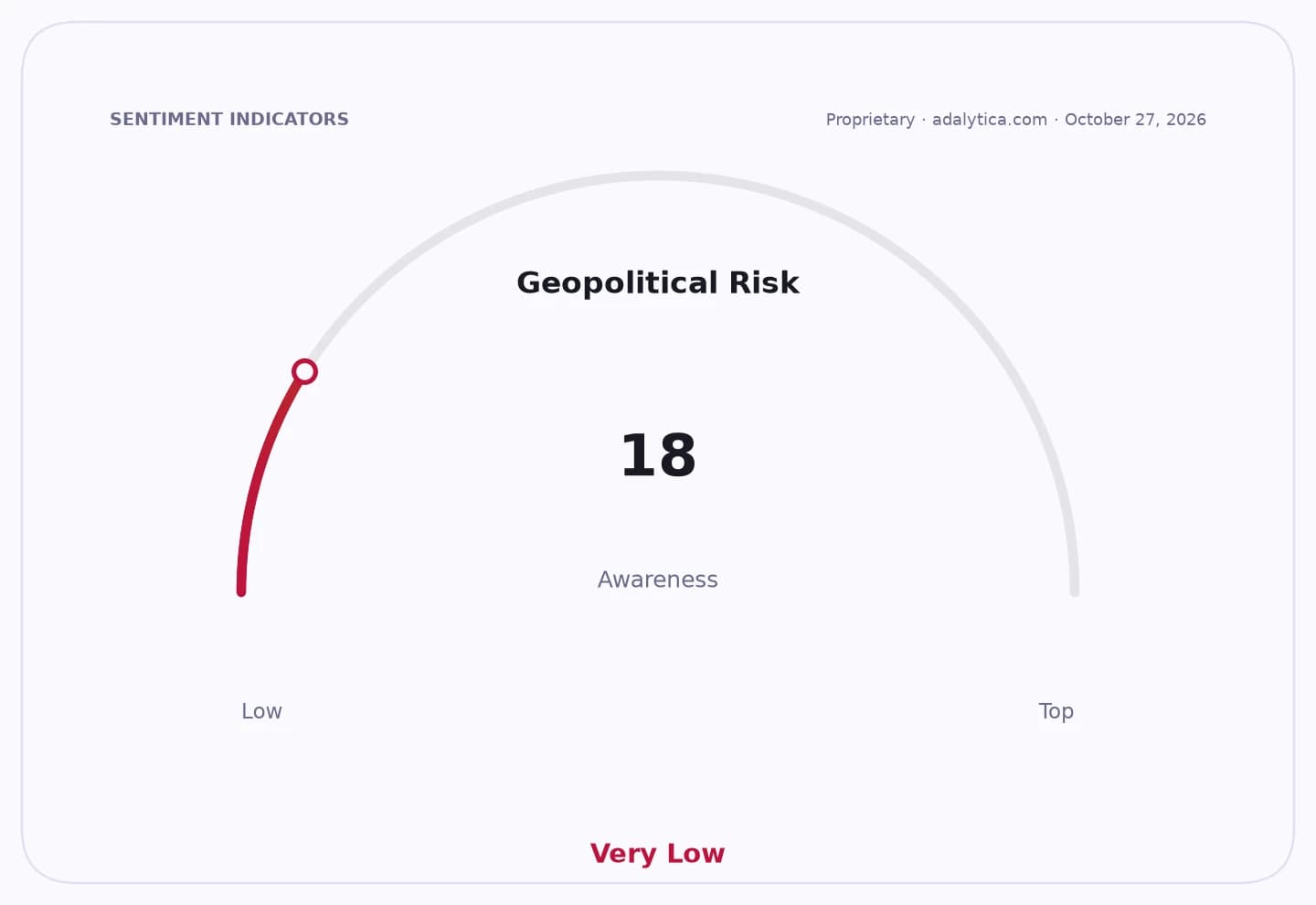
Geopolitical Risk — 30-day sentimentadalytica.com
Explore this data interactively — full history, time series and cross-market comparisons.
The timing is important. The Libyan parliament’s approval on Oct. 20 strengthened Turkey’s legal and diplomatic hand in a dispute that has already fueled years of tension with Greece, Egypt and Cyprus. It also revives questions over whether Tripoli and Ankara can use the document as a basis for future hydrocarbon cooperation or offshore activity in contested waters.
Athens is not only contesting the original 2019 memorandum. It is also objecting to a separate Turkey-Libya hydrocarbons agreement signed in 2022, to the extent that it relies on the earlier maritime line. Greece said any step taken under that arrangement that affects its sovereign rights would violate international law, signaling it is prepared to respond if the deal is used to advance exploration or licensing plans near Greek-claimed waters.
The Greek response also targets Libya’s own maritime claims. Athens said a May 27, 2025 Libyan note to the UN setting out coordinates and a map of Libya’s claimed continental shelf limits is legally unsupported, and it repeated objections it filed in September. That dual approach underscores the strategy in Athens: isolate the Turkey-Libya accord while also resisting any separate Libyan effort to redraw maritime boundaries in the central Mediterranean.
For investors, the direct market impact is less about immediate price action than about the risk premium attached to eastern Mediterranean energy projects and infrastructure. A more assertive legal stance by Greece raises the odds of prolonged diplomatic friction, slower progress on cross-border energy cooperation and more caution around offshore licensing, seismic surveys and drilling plans. It also matters for energy companies and contractors that rely on stable maritime regimes to commit capital.
The broader backdrop is one of sharpened regional competition rather than de-escalation. Recent developments have intensified the eastern Mediterranean standoff, while Greece says it remains open to negotiated settlements based on international law, citing its agreements with Italy and Egypt as proof that delimitation can be resolved through diplomacy rather than unilateral claims.
The likely next phase is procedural rather than military: more UN filings, sharper diplomatic exchanges and continued attempts by each side to lock in legal positions before any offshore activity or future boundary talks. For markets, the key question is whether the dispute remains a paper confrontation or starts to interfere with energy investment decisions in a strategically sensitive basin.
| Entity | Gains | Losses |
|---|---|---|
| Greece | ▲Diplomatic record of objection | ▼Less room for compromise |
| Turkey-Libya axis | ▲Legal-political backing from ratification | ▼Greater international pushback |
| Energy investors | ▲Clarity on dispute risk | ▼Higher geopolitical uncertainty |
| Libya's eastern parliament | ▲More leverage for Tripoli-Ankara alignment | ▼Deeper regional isolation |