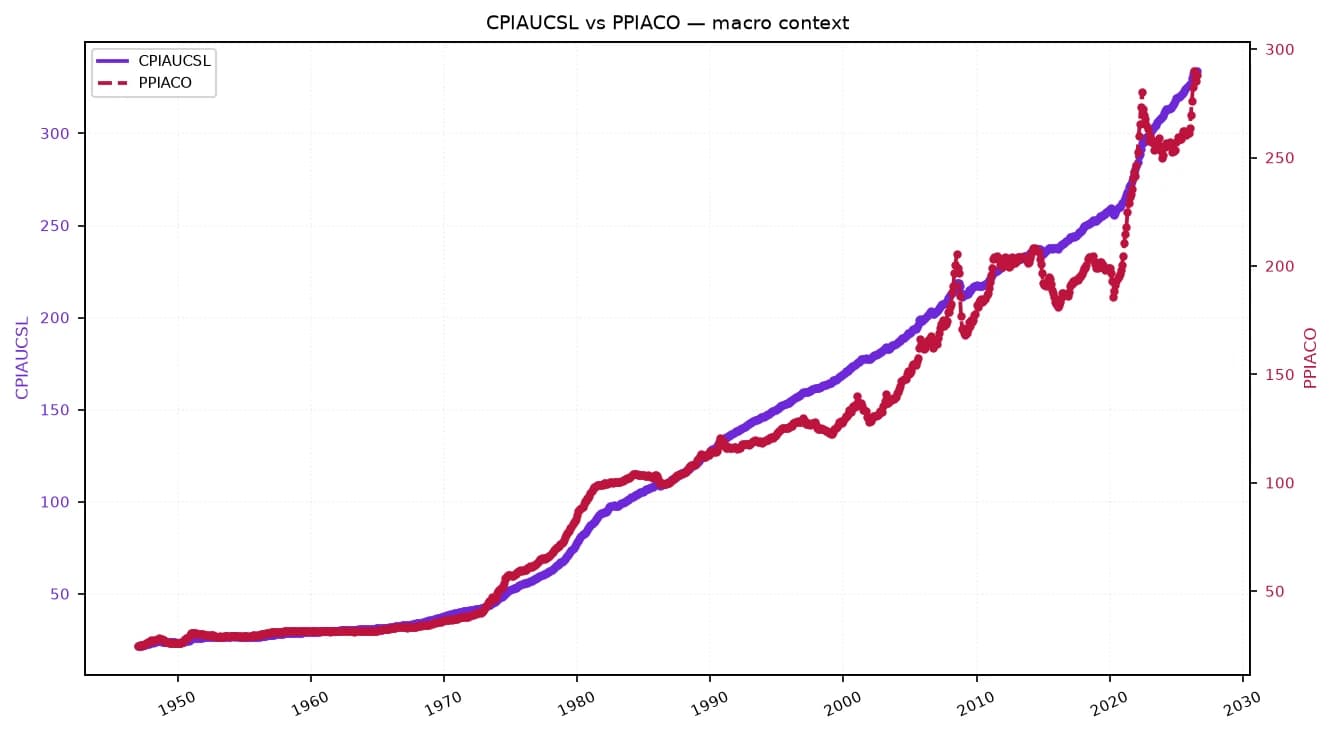
Copper’s latest rebound is reviving miners and scrap sellers after a sharp pullback earlier this year, with Freeport-McMoRan and Southern Copper both rallying as the market steadies around supply tightness, resilient demand and a clearer profit backdrop for producers.
Copper rebound lifts Freeport-McMoRan and Southern Copper
The move matters because copper sits at the center of industrial activity, power grids and the energy transition, making it one of the cleanest gauges of global manufacturing appetite. After sliding from peaks reached amid trade tensions and supply concerns, prices have stabilized enough to improve the economics of mine output, scrap collection and inventory management — a shift that directly feeds through to earnings at producers and to the resale value of metal in the recycling chain.
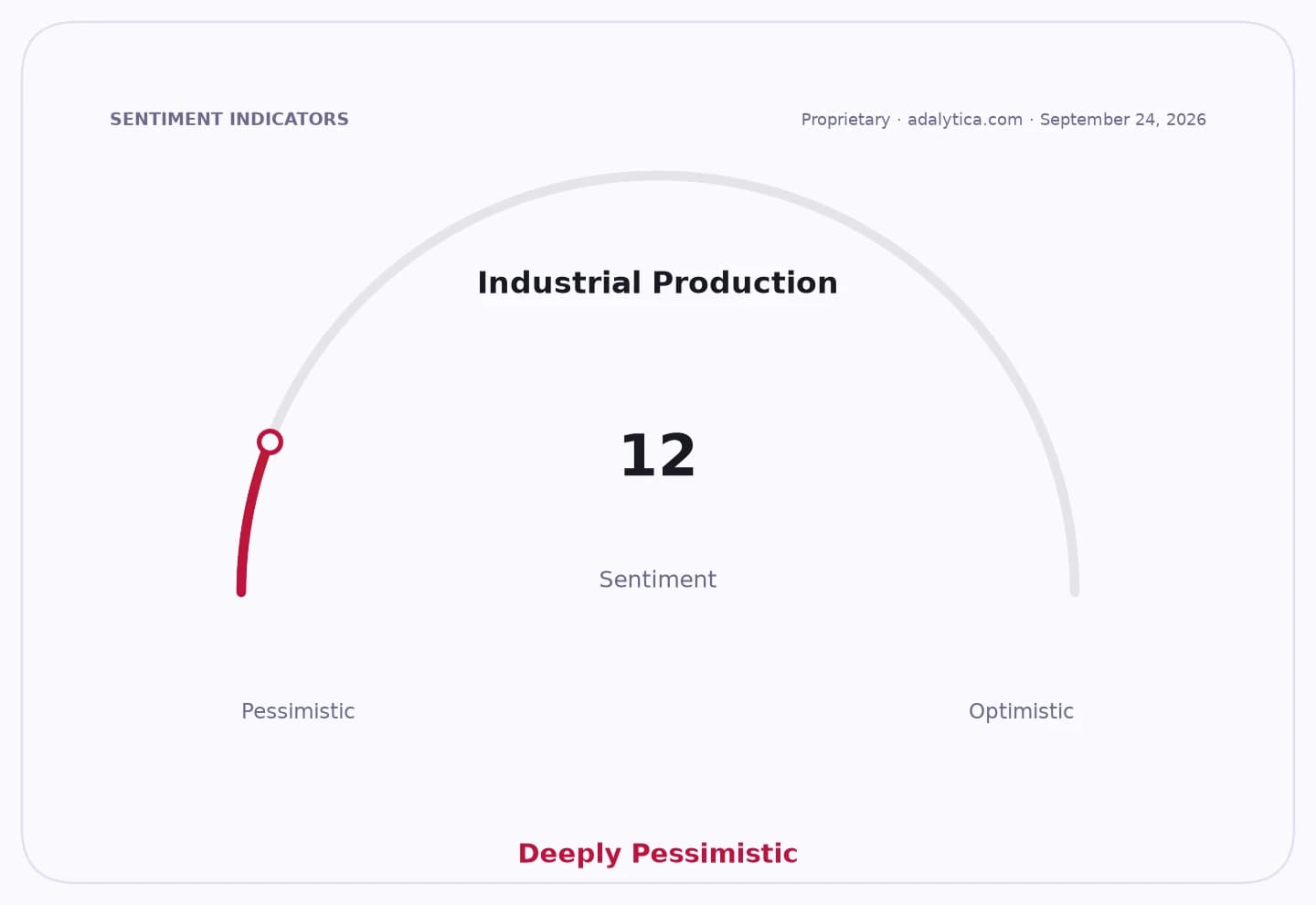
Sentiment IndicatorsⓘProprietary · adalytica.com · August 22, 2026
This is a snapshot — live sentiment, awareness and momentum for 130+ markets update continuously in the dashboard.Open AlphaPulse
That is exactly why a haul of 13 kilograms of copper can become more than a curiosity. When copper prices are elevated, even modest scrap volumes can carry unexpected value, and that reverberates through collection businesses, recyclers and industrial users. The recent price correction had cooled activity in the scrap market, but the latest stabilization suggests transactions are picking up again as buyers and sellers reset expectations.
The broader market backdrop remains constructive, even if less overheated than earlier in the year. U.S. West Texas Intermediate crude has also eased back from recent spikes, while the 10-year Treasury yield sits near 4.7%, a reminder that financing conditions are still restrictive enough to keep pressure on capital-intensive industries. In that setting, commodity producers with low-cost assets and scale tend to hold an advantage, while smaller recyclers and traders are more exposed to price swings and working-capital risk.
Freeport-McMoRan has been the clearest beneficiary in the equity market. Its shares jumped to $76.66 on Aug. 21, up sharply from $40.45 in October, as investors priced in stronger copper realizations and a recovery from the spring selloff. Technical momentum also improved, with the stock above both its 50-day and 200-day moving averages and RSI readings back in bullish territory, suggesting the recent advance is being confirmed by trading action rather than just a one-day squeeze.
Southern Copper has seen a similar but even more dramatic rerating. The stock closed at $216 on Aug. 21, versus $119.93 last October, and has regained its footing after a deep March drawdown. That matters because copper pricing feeds directly into the company’s revenue line and supports investment plans in its Latin American asset base. When the metal price is firm, miners can accelerate stripping, development and maintenance spending; when it weakens, those projects become harder to justify.
The investment case now splits into two camps. The bull argument is that copper remains structurally supported by electrification, grid buildout and limited new supply, leaving producers with favorable pricing power even after the recent correction. The bear case is that the latest rebound may be vulnerable if inventories continue to build or if industrial demand softens, in which case margins for miners and scrap operators could normalize faster than expected.
For investors, the key question is not whether copper stays volatile — it will — but whether it holds high enough to sustain cash generation after years of underinvestment. If it does, producers with leverage to realized prices should continue to outperform, while the scrap market and industrial buyers will need to navigate a more expensive feedstock environment. The next catalyst will be whether the current stabilization turns into a durable range or just another pause in a still-unsteady commodity cycle.
| Entity | Gains | Losses |
|---|---|---|
| Freeport-McMoRan | ▲Higher copper realizations | ▼Lower prices if rally fades |
| Southern Copper | ▲Stronger margins, investment case | ▼Scrap buyers, higher input costs |
| Scrap sellers/recyclers | ▲Better resale values | ▼Volatility in collection spreads |
| Industrial copper users | ▲Stabilization if supply normalizes | ▼Elevated feedstock costs |