CoreWeave’s wild ride shows why neocloud stocks have become one of the market’s hottest AI trades — and why the easy money may already be behind them.
CoreWeave and neocloud stocks after the AI rally
For investors, the bigger story is not just a share-price pop. It is that the market is briefly rewarding a very specific business model: companies that buy scarce AI computing capacity and rent it out to hyperscalers, model builders and enterprises desperate for more GPU power. That demand is real, but so are the risks. Neoclouds tend to be capital-intensive, heavily financed and exquisitely sensitive to shifts in financing costs, customer spending and competitive pricing.
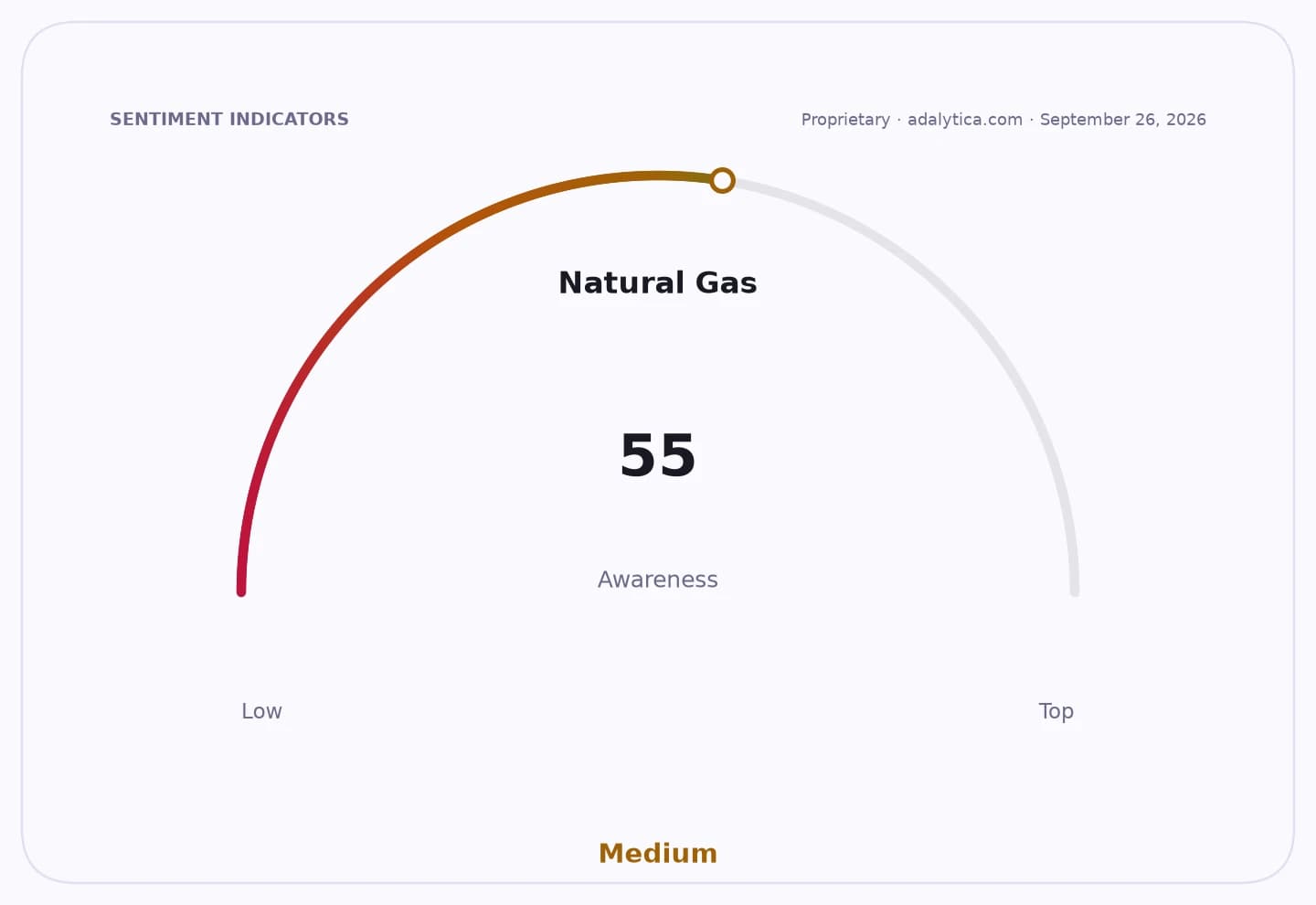
Sentiment IndicatorsⓘProprietary · adalytica.com · August 20, 2026
This is a snapshot — live sentiment, awareness and momentum for 130+ markets update continuously in the dashboard.Open AlphaPulse
CoreWeave’s stock tells that story in miniature. After surging as high as $139.93 in late October, it has since collapsed to $89.12, even though it remains far above its July low near $60. The shares are now trading roughly where the 50-day moving average sits, while the RSI is in the low 60s — neither washed out nor cheap, just a volatile stock trying to find a fair price after an enormous run. For long-term investors, that matters because these kinds of setups rarely stay open for long. Once growth slows or balance-sheet concerns rise, the market tends to move on quickly.
The attraction is obvious. CoreWeave and its neocloud peers are tied directly to the AI buildout, which still has years to run. Microsoft, Nvidia and the rest of the AI infrastructure stack are all signaling that demand for compute remains enormous. Nvidia shares are still sitting well above both the 50-day and 200-day moving averages, a reminder that the semiconductor kingpin continues to benefit from the same spending wave that powers the neocloud trade. Microsoft, meanwhile, has recovered sharply from its midyear slump and is back near the highs, underlining how much the largest tech platforms are still investing in data center capacity and AI infrastructure.
But the best part of the trade may already have been captured in the price. CoreWeave’s own filing says it expects its cost of capital to keep declining as it gains scale and can access lower-cost financing, including asset-backed securitizations and rated debt. That is encouraging, but it also highlights the central pressure point: these businesses need cheap capital to keep expanding. If financing tightens, margins can get pinched fast. If customers slow their buildouts, utilization drops. If rivals cut price, the economics get tougher still.
That is why neocloud stocks can look explosive on the way up and fragile on the way down. They are levered not just to AI demand, but to the market’s willingness to fund that demand. When investors are optimistic, the model can scale rapidly. When sentiment turns, the same leverage works in reverse.
The macro backdrop still helps, at least for now. Adalytica’s trade signals show strong awareness around the S&P 500 and extreme greed in the U.S. dollar, reflecting a market environment where risk appetite has been lively even as the currency has weakened sharply. That supports speculative AI infrastructure names in the short run, but it can also make reversals violent when investors decide to de-risk.
So should you buy neocloud stocks after their moment in the sun? For most investors, the answer is to be selective and patient. This is not a place to chase headlines. The long-term winners in AI are more likely to be the companies with real pricing power, durable cash flow and fortress balance sheets. CoreWeave may still grow quickly, but it needs to prove that growth can translate into sustainable economics, not just bigger borrowing.
In other words, neocloud stocks are worth watching, but the window for easy gains looks narrow. If you want exposure to the AI buildout, consider keeping these names as a smaller, speculative slice of a diversified portfolio — not the whole bet.
| Entity | Gains | Losses |
|---|---|---|
| CoreWeave and neocloud peers | ▲AI demand surge | ▼Rising financing costs |
| Nvidia | ▲GPU demand growth | ▼Customer concentration risk |
| Microsoft | ▲More cloud and AI capacity | ▼Higher infrastructure spending |
| Long-term investors | ▲AI exposure if bought carefully | ▼Chasing overheated valuations |