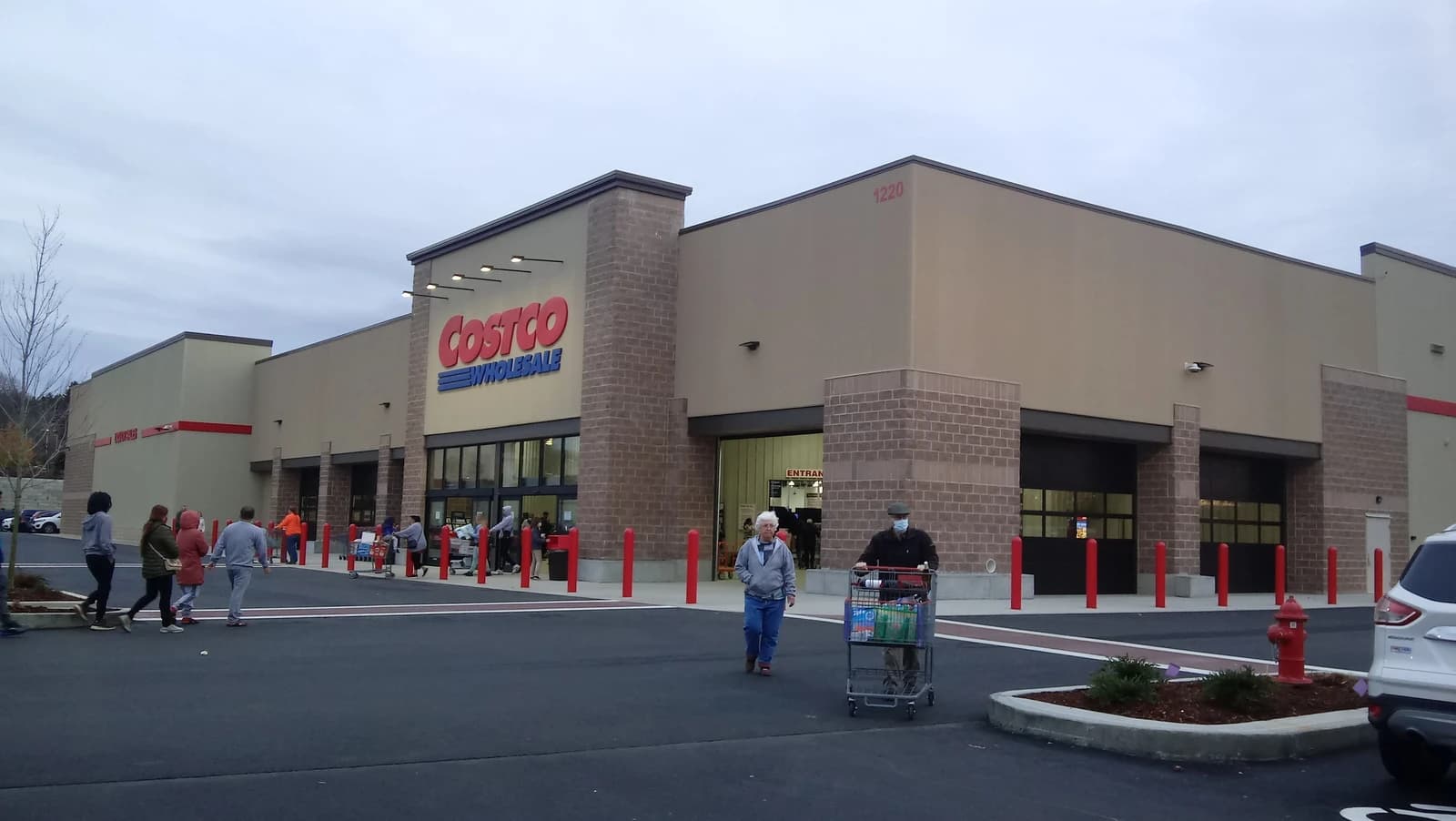
A social-media-fueled dating trend is giving Costco an unexpected new role: not just a warehouse retailer, but a place where singles are trying to meet in person as fatigue with dating apps deepens.
Costco dating trend draws singles to stores
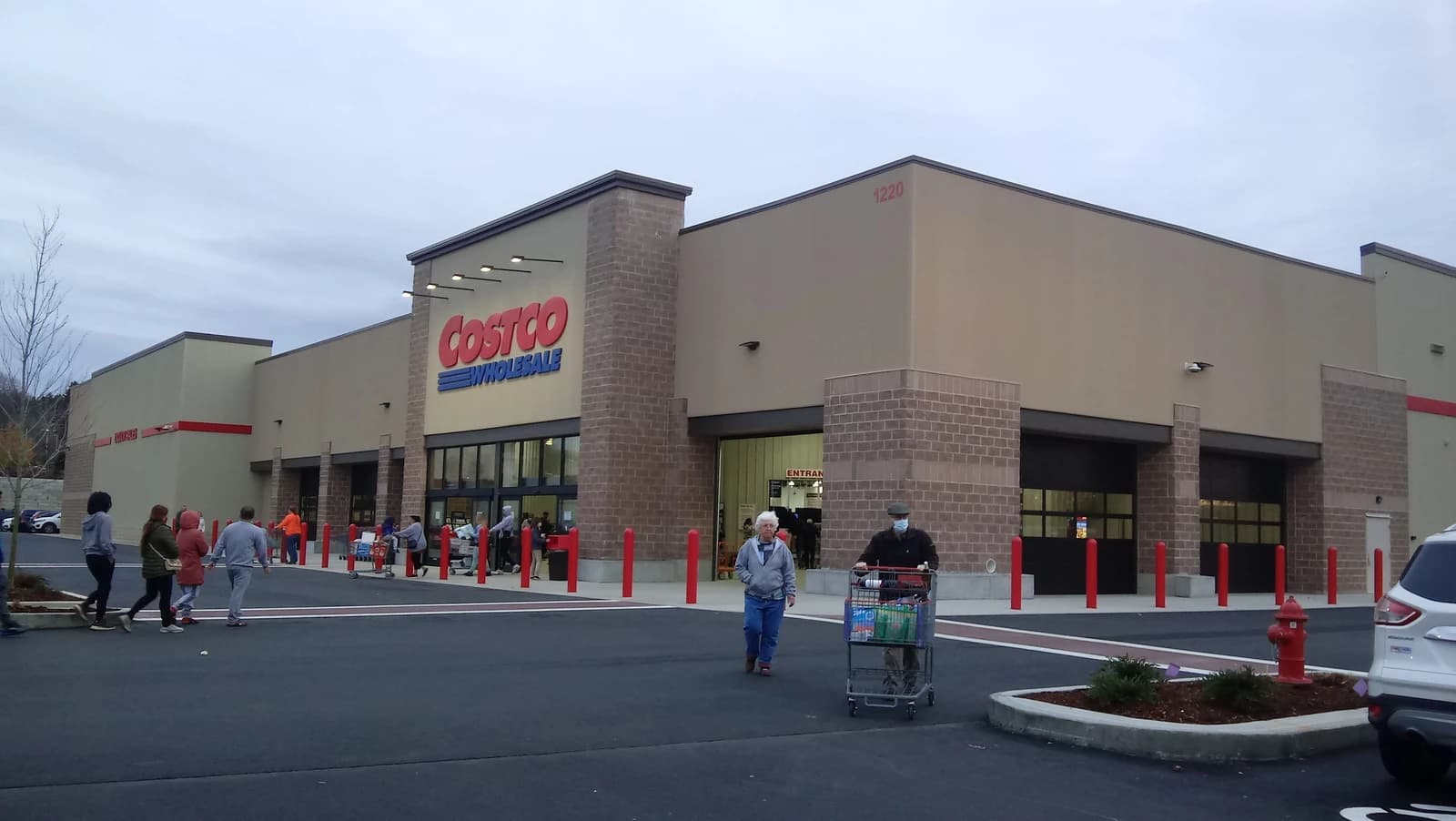
The idea, dubbed “Costco dating,” reflects a broader shift in consumer behavior away from prolonged online chatting and back toward real-world encounters. For retailers, it is also another sign that store traffic now carries value beyond sales per square foot: the membership warehouse is becoming part shopping trip, part social venue, and part low-cost date.
Costco is an especially fitting backdrop because its model already draws a sticky, repeat customer base willing to spend time in the aisles. The chain reported 82.9 million paid members in the latest quarter ended May 10, up from 79.6 million a year earlier, and 148.5 million cardholders, underscoring the scale of the potential social pool inside its stores. Membership fee revenue rose 11% in the quarter, reinforcing the importance of traffic and loyalty to the business model.
That helps explain why the trend has gained traction. The appeal is not romance alone; it is the convenience of a built-in, low-pressure setting where people can strike up a conversation over groceries, the food court or even a shared $1.50 hot dog. Supporters say it feels more authentic than app-based dating, where matches can spend weeks or months messaging before ever meeting. For some, the store setting also makes conversation easier because it offers immediate, practical icebreakers — from asking about a product to joking about the size of a bulk purchase.
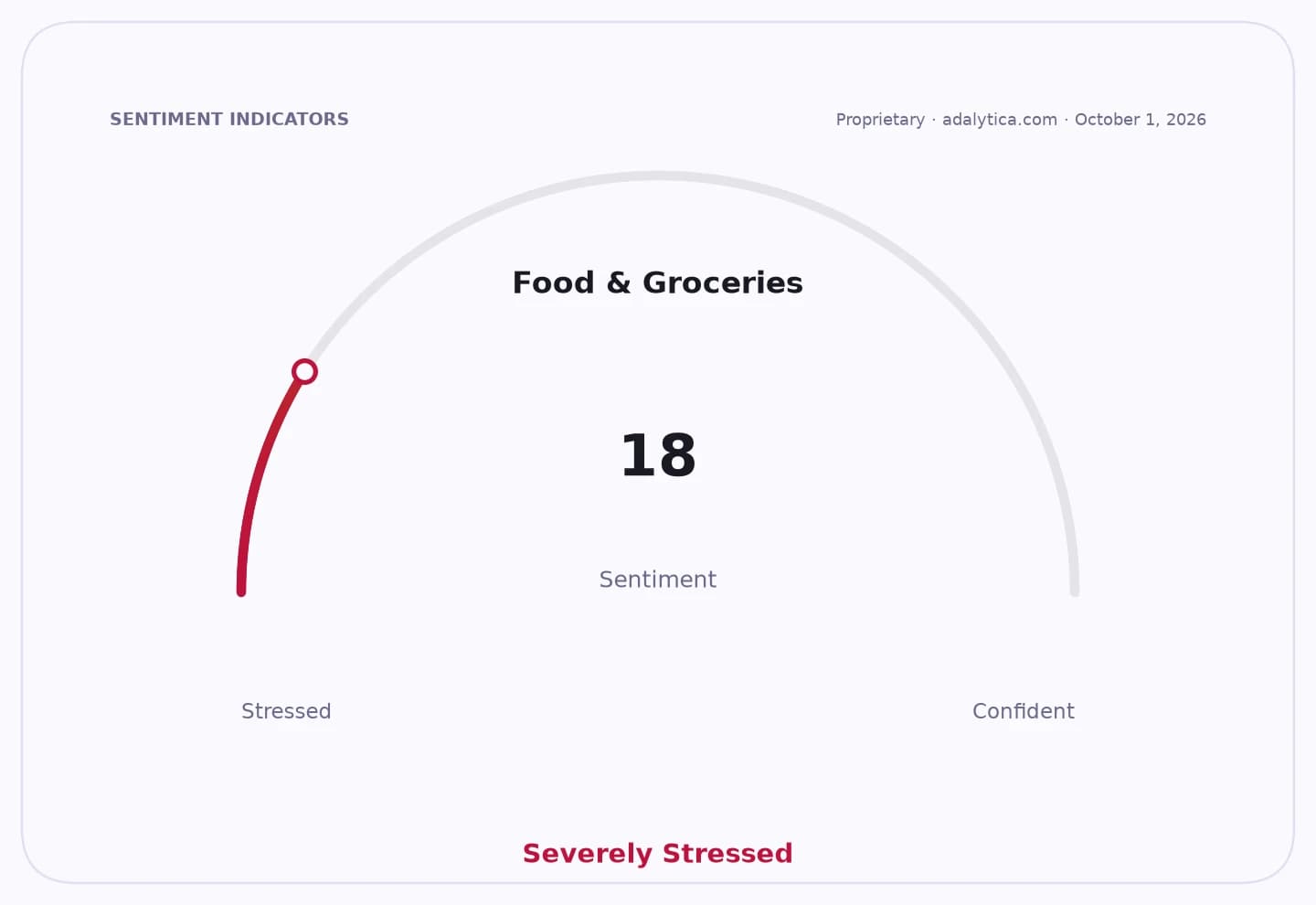
The trend also says something about the current state of the dating economy. Consumers are increasingly looking for lower-cost, lower-friction ways to socialize at a time when app fatigue, subscription costs and the effort required to maintain digital courtship have all made in-person interaction more attractive. That is economically relevant because it shows how a retailer with a strong membership moat can capture time, not just wallet share.
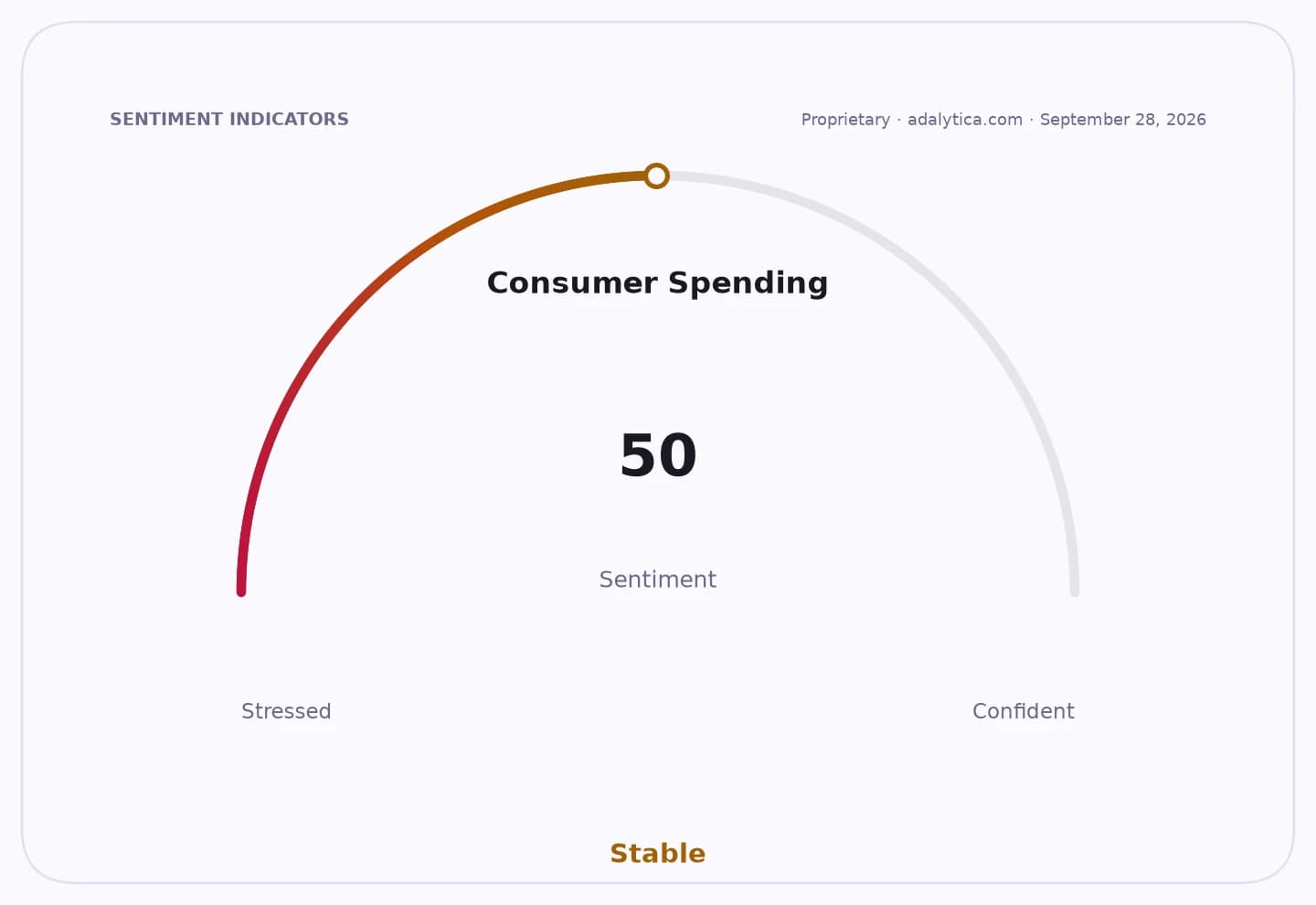
For Costco investors, the immediate financial impact is likely modest. “Costco dating” will not move same-store sales on its own. But it does reinforce a key investment case: the chain’s stores are destination assets with unusually broad appeal, which supports traffic resilience and pricing power even as discretionary spending remains under pressure. The stock has also been volatile, with the latest close at $922.77, recovering from recent weakness but still below its 200-day moving average of about $958, suggesting the market remains focused on execution and membership momentum rather than viral lifestyle trends.
The bull case is that any development that keeps Costco top of mind among younger shoppers can strengthen the brand over time and deepen customer loyalty. The bear case is that the trend is mostly cultural noise, with little direct link to earnings growth. Still, the fact that consumers are choosing Costco as a place to meet, linger and socialize speaks to the durability of the format — and to how deeply the warehouse club has embedded itself in everyday life.
| Entity | Gains | Losses |
|---|---|---|
| Costco | ▲More foot traffic, stronger brand relevance | ▼Risk of trend fading fast |
| Singles using apps | ▲Less app fatigue, real-world encounters | ▼Fewer digital-only matches |
| Dating apps | ▲None | ▼Less time spent on platforms |
| Investors in COST | ▲Evidence of sticky customer engagement | ▼Little direct earnings impact |