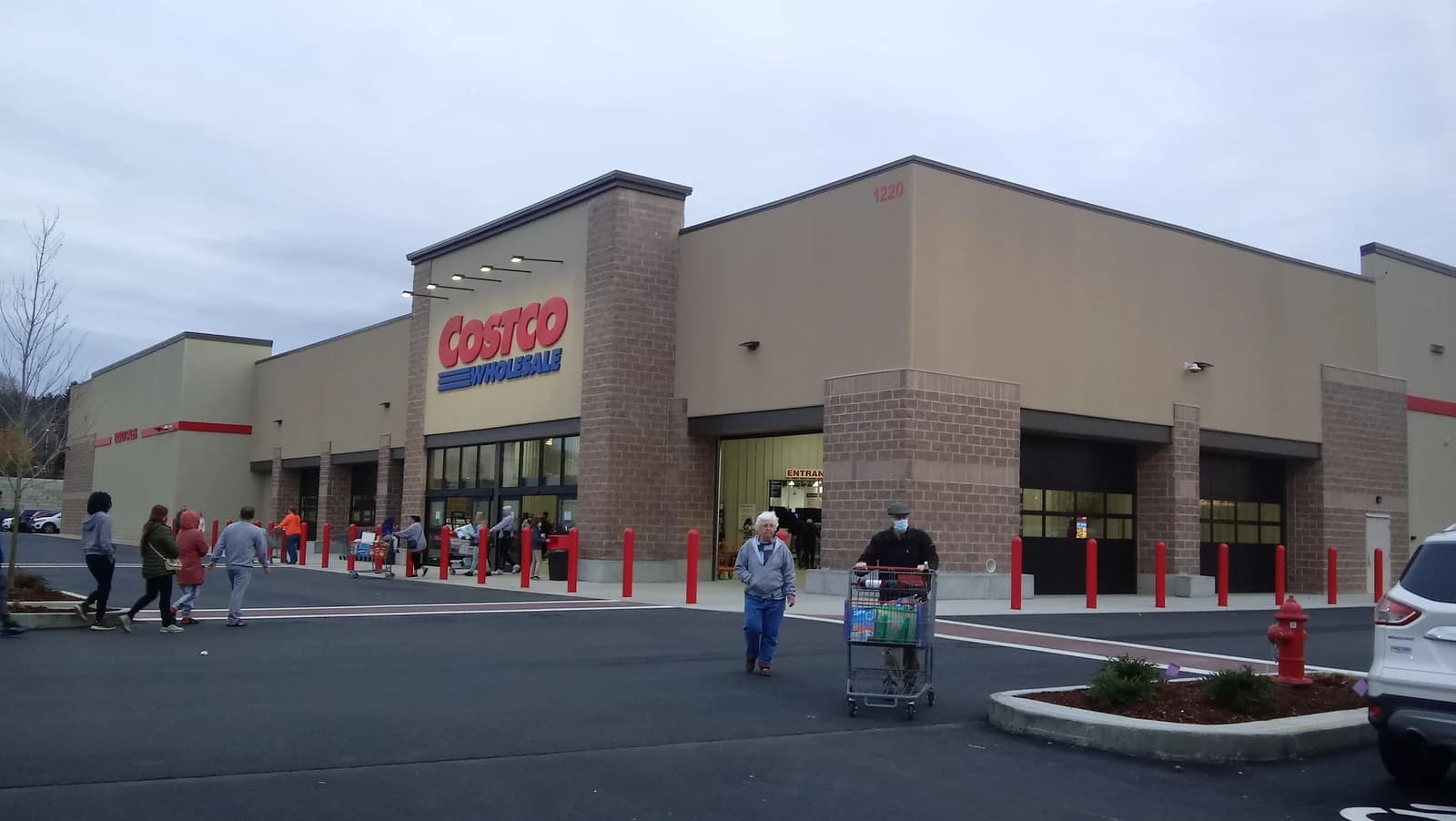
A simple Japanese glass storage container sold at Costco is resonating with shoppers because it collapses three kitchen jobs into one: storing leftovers, reheating food and serving it at the table.
Costco Japan sells Iwaki glass container
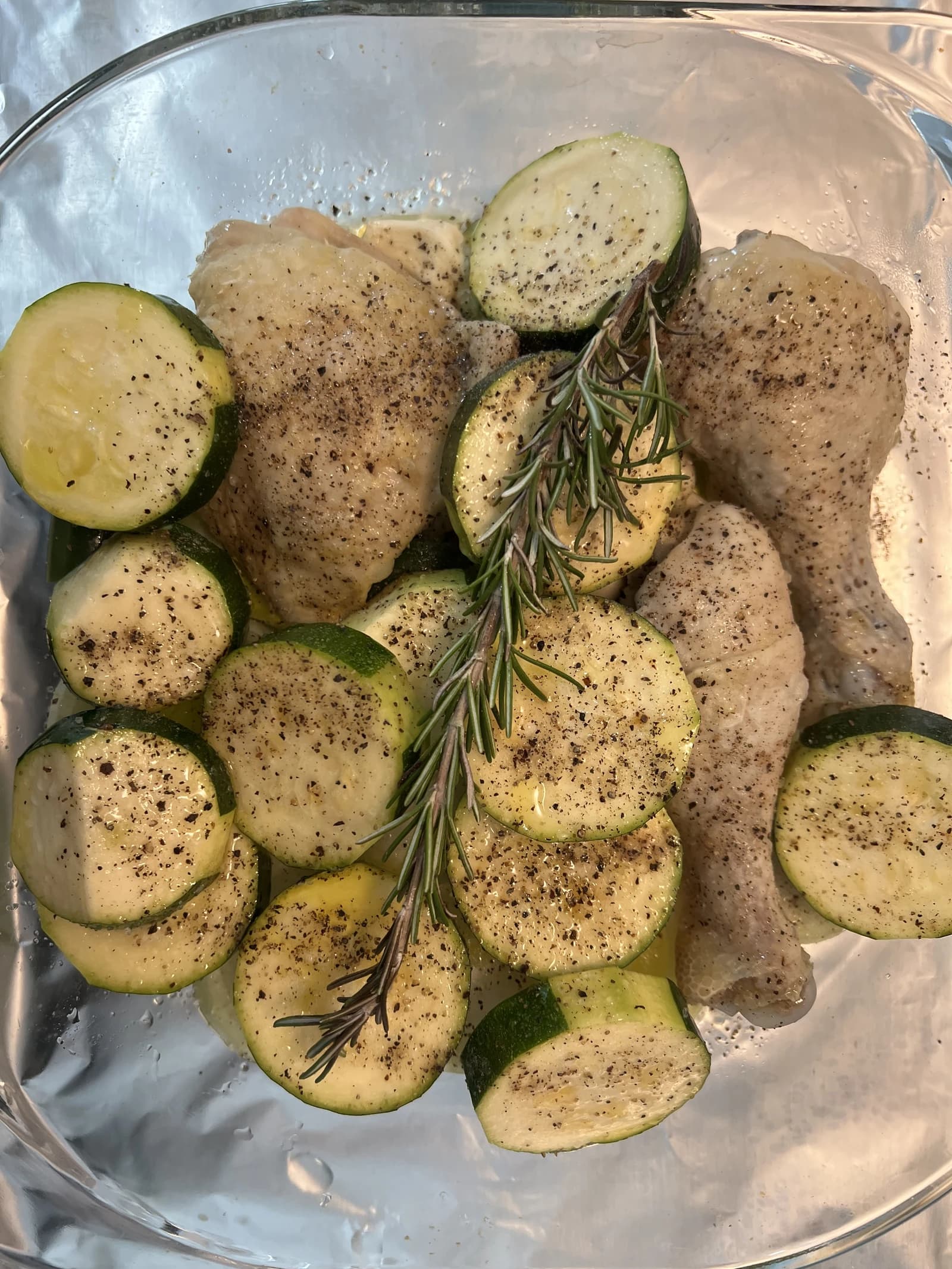
That matters because the appeal is not just convenience. In an environment where consumers are still looking for ways to stretch food budgets and reduce waste, products that replace multiple dishes can win share even when they are not the cheapest item on the shelf. Costco’s 200-milliliter Iwaki Pack & Range container, priced online at 448 yen each and sold in packs of four or more, has drawn strong reviews for exactly that reason: users say it can go from refrigerator to microwave to dinner table, and even handle oven and steamer use.
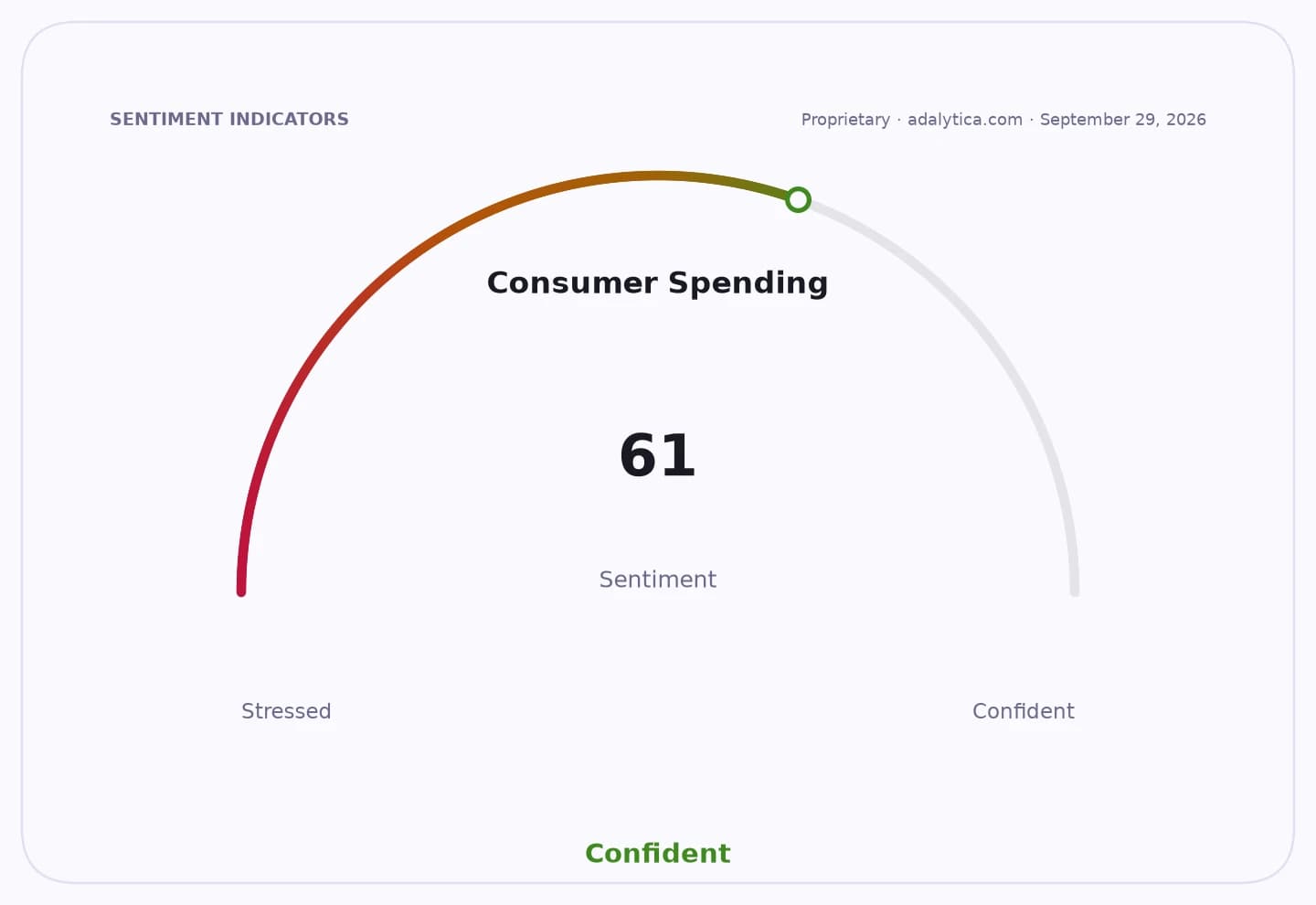
Sentiment Indicators
The broader investment story is that value is shifting from price alone to utility per item. Households want tools that simplify meal prep, preserve leftovers and cut cleanup, which is helping premium-but-practical kitchenware stand out against generic storage solutions. The product’s compact size makes it especially useful for small side dishes and soups, a category where waste is common and convenience is highly prized.
For retailers, that is a favorable mix. Costco can lean on its reputation for curated, high-utility household goods, while brands like Iwaki benefit from the kind of repeat purchasing that comes when a kitchen staple earns a “buy 10 and reuse them” reputation. The fact that the item is being discussed alongside competing glass and vacuum containers from IKEA, OXO and Korean brand VAKUEN shows how competitive the food-storage market has become, with shoppers comparing durability, sealing performance and versatility rather than just sticker price.
That is why this trend matters beyond one container. The market underestimates how powerful the “one item, multiple uses” proposition can be in a cautious consumer backdrop. If shoppers keep prioritizing efficiency at home, the winners will be brands and retailers that sell time savings, food preservation and less waste in one package. For investors, that keeps Costco and the broader household essentials channel in focus as durable beneficiaries of practical spending.
| Entity | Gains | Losses |
|---|---|---|
| Costco | ▲Higher basket value | ▼Generic kitchenware rivals |
| Iwaki | ▲Stronger brand demand | ▼Low-end plastic containers |
| Consumers seeking value | ▲Less waste, fewer dishes | ▼Shoppers buying single-use items |
| IKEA, OXO, VAKUEN | ▲Category visibility | ▼Anyone relying on price alone |