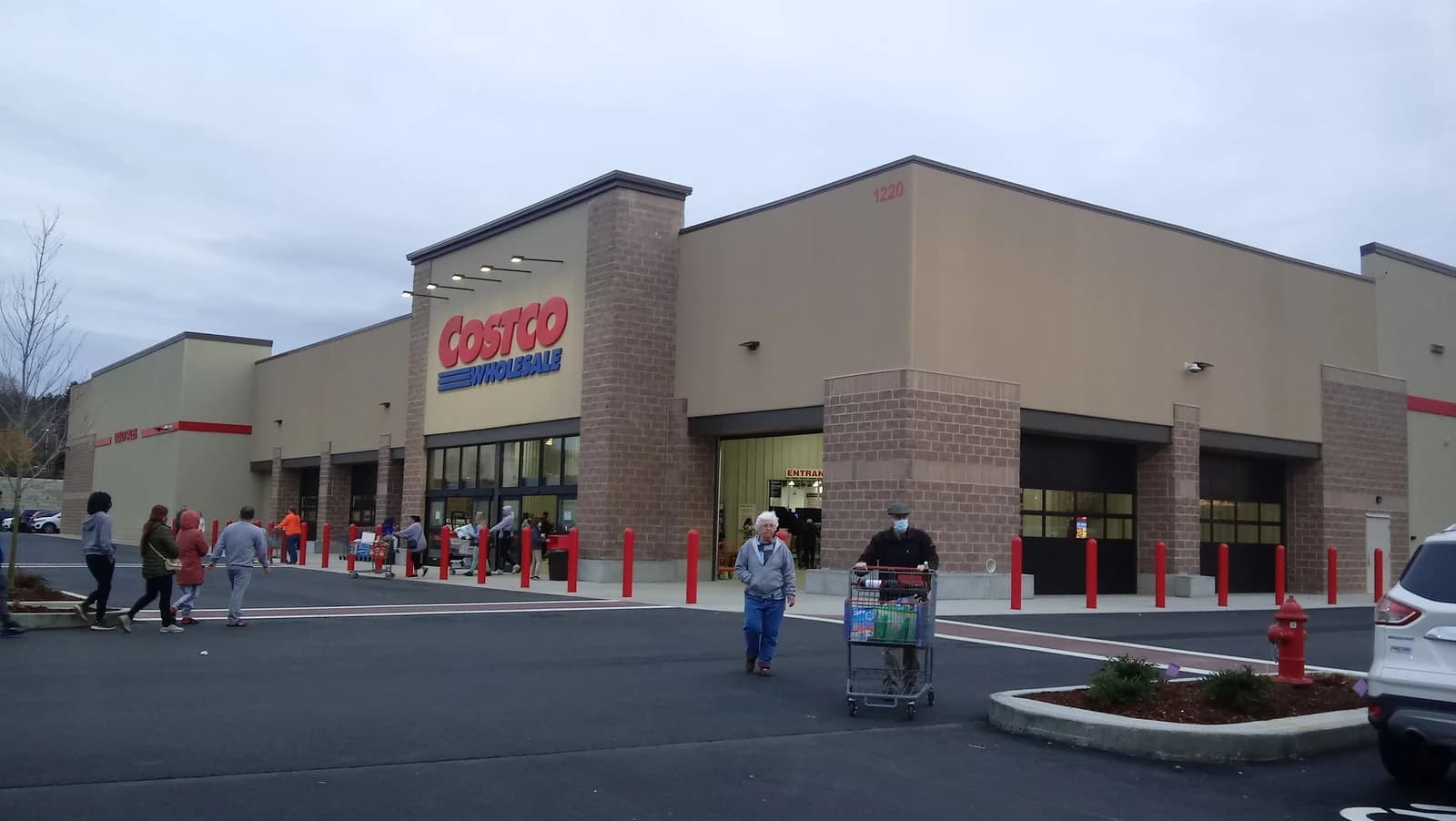
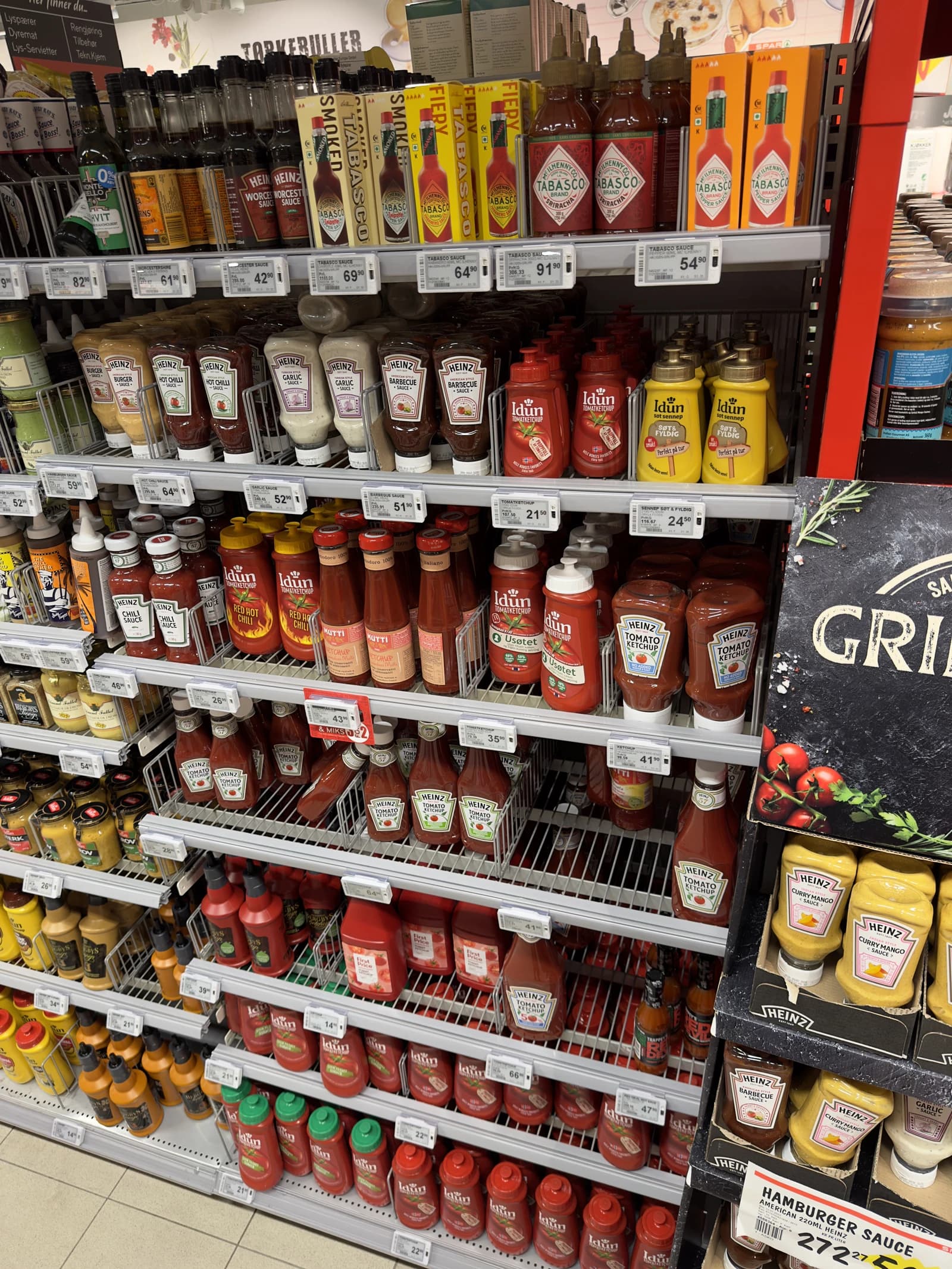
Costco’s roughly 15% price increase on a key item is modest beside the inflation in underlying components, but it underscores how much pricing power the retailer now has inside its supply chain.
Costco price increase boosts margin power

That matters because Costco’s business is built on volume, low margins and member loyalty, not on aggressive markups. When a company that prides itself on “pricing authority” can still raise prices in the middle of a cost-inflation cycle, it suggests the burden of higher input costs is being pushed further down the chain — to suppliers, manufacturers and, ultimately, consumers.
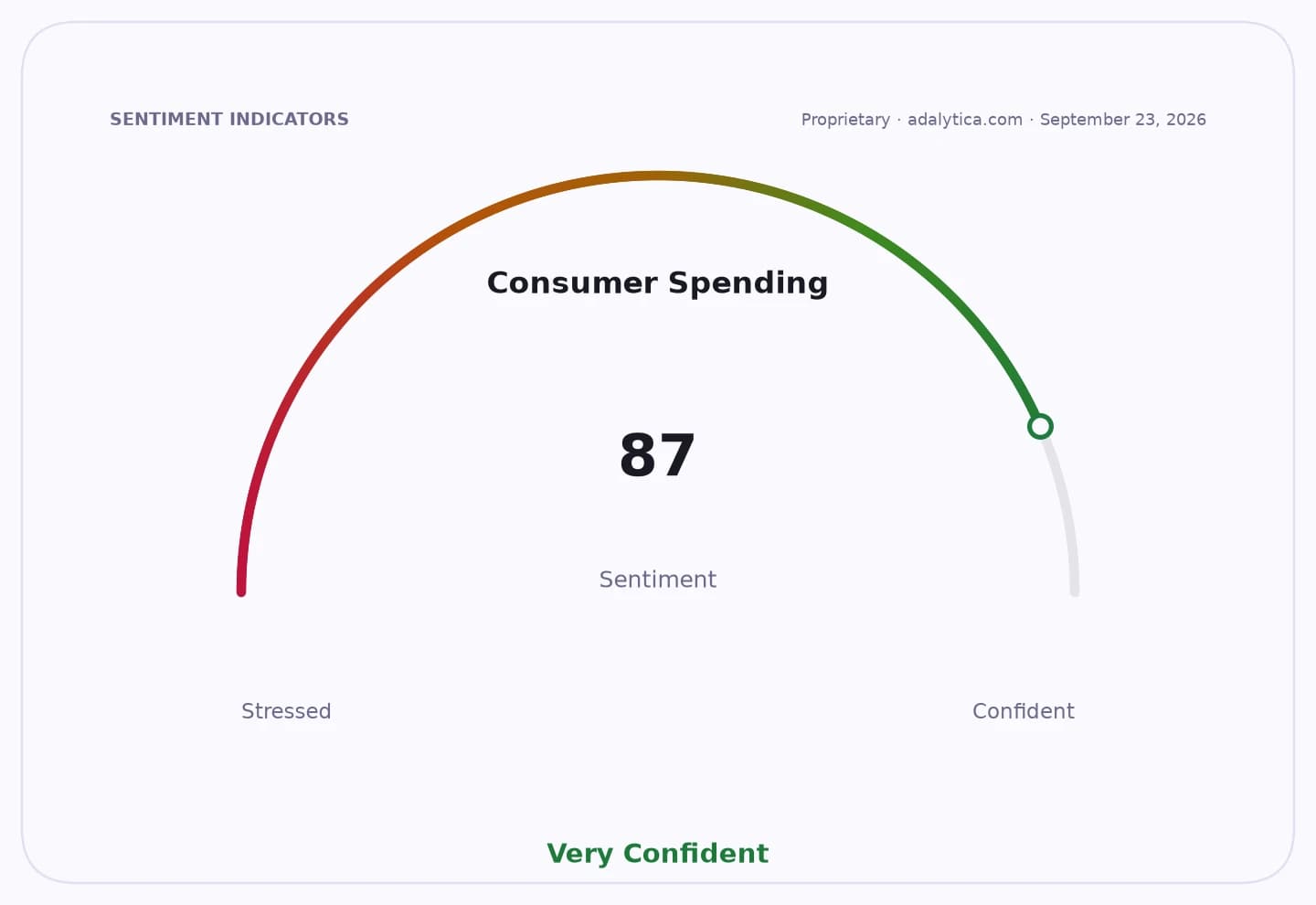
Sentiment IndicatorsⓘProprietary · adalytica.com · August 23, 2026
This is a snapshot — live sentiment, awareness and momentum for 130+ markets update continuously in the dashboard.Open AlphaPulse
The move also fits a broader retail backdrop in which inflation has eased but has not disappeared. Consumer prices are still rising enough to keep pressure on household budgets, and food and essential goods remain sticky. For a warehouse club like Costco, that combination is important: it can preserve traffic by keeping shelf prices competitive, while selectively lifting prices where customers are still likely to buy.
Investors will read that as a margin and mix story as much as a pricing story. Costco’s shares have remained volatile even as technicals improved, with the stock trading around $947.74, above its 50-day moving average of $947.35 and just below its 200-day average of $956.72. The conventional RSI reading of 47.1 points to a neutral setup, while the MACD has turned positive but remains close to flat, suggesting the market is still waiting for proof that pricing power can translate into sustained earnings momentum.
The bull case is straightforward: Costco’s scale, membership model and reputation for value give it unusual leverage in a still-fragile consumer environment. If input costs keep rising faster than retail prices, the company can protect profitability by negotiating harder with vendors and by using price adjustments more surgically than rivals. The bear case is that the room to pass on costs is not unlimited. If consumers become more cautious — Adalytica’s Consumer Spending Sentiment snapshot is in “Fear” territory — even disciplined price increases could start to weigh on traffic or trade-down behavior.
The key question for the next few quarters is whether Costco can keep using its supply-chain leverage to defend margins without damaging the value proposition that drives membership retention. If it can, the company will continue to look like one of the stronger operators in consumer retail; if not, the same inflation that gives it pricing cover could eventually compress demand.
| Entity | Gains | Losses |
|---|---|---|
| Costco | ▲Better margin protection | ▼Risk of softer traffic |
| Suppliers | ▲Higher input pass-through | ▼Less pricing leverage |
| Members | ▲Stable value proposition | ▼Higher checkout bills |
| Competitors | ▲Harder to match scale | ▼Less room to absorb costs |