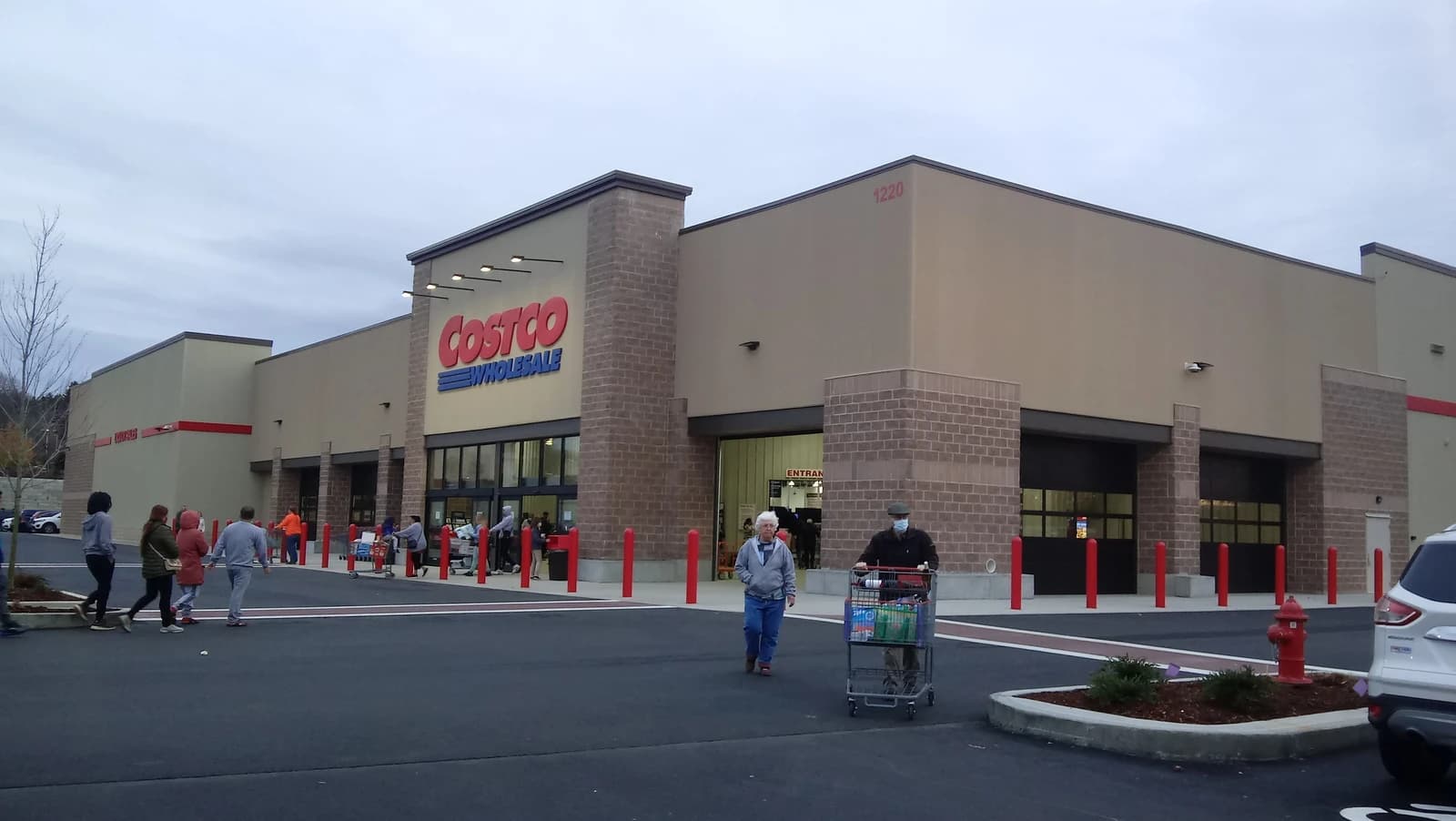
Costco Wholesale is closing one store after 37 years and opening a replacement nearby, a reminder that the warehouse club’s real story is not one location shutting down but a business still able to redeploy capital into fresher, more productive sites.
Costco Replaces 37-Year-Old Store Nearby
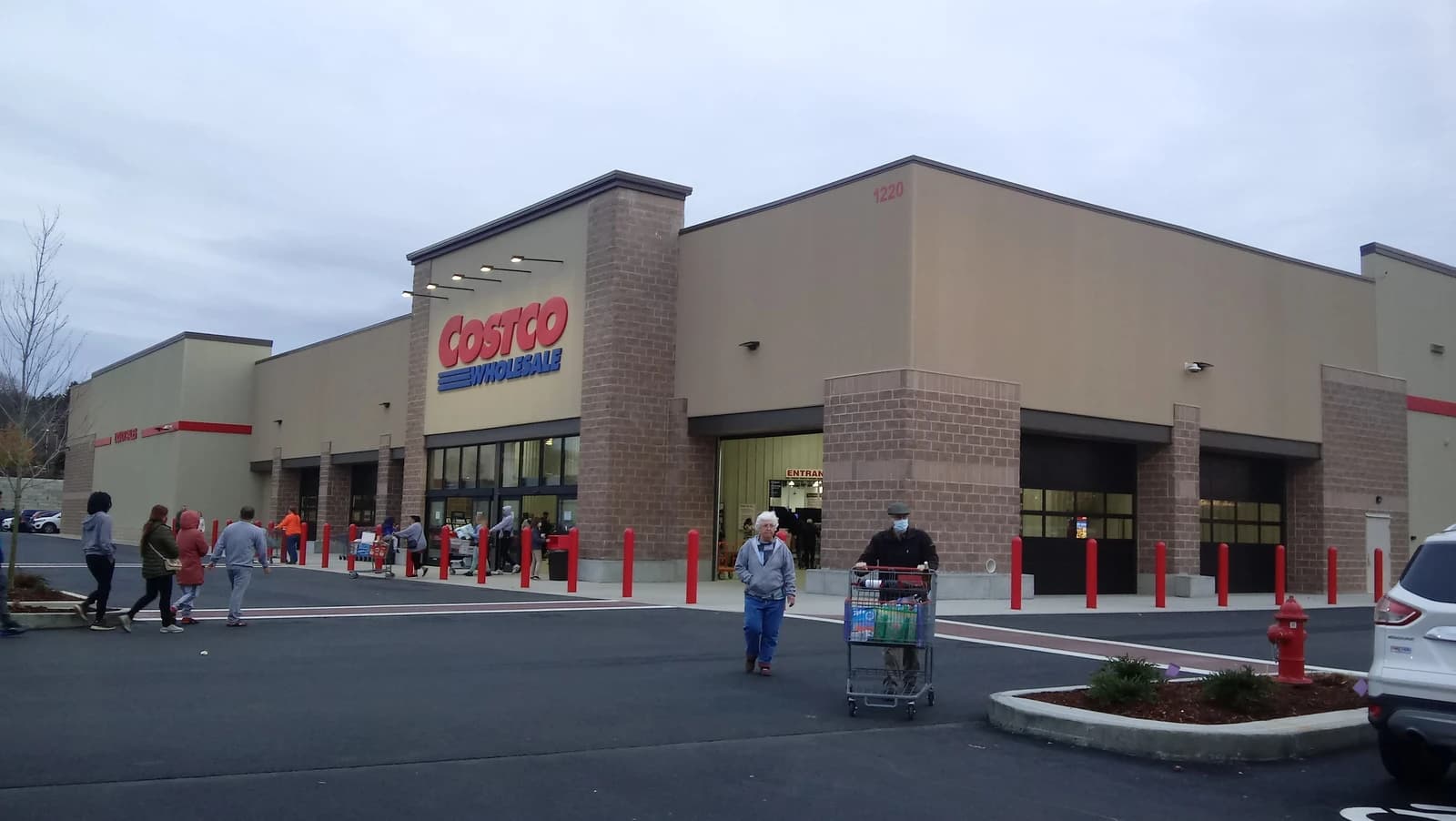
For investors, that matters because Costco’s model is built on renewal. The company’s stores are high-traffic, membership-driven assets, and when one reaches the end of its useful life, replacing it can preserve the sales base while improving efficiency, merchandising and customer experience. In a retail sector where many chains are shrinking or trying to survive, Costco is still investing for the long haul.
The market has already been treating Costco that way. The stock has climbed to about $1,106 a share, up sharply from roughly $870 in December, showing that investors continue to pay up for the warehouse club’s resilient earnings power and recurring membership revenue. Even after the run, the shares remain supported by a business that tends to compound slowly but reliably, one renewal, warehouse and membership fee at a time.
That is the bigger lesson here: a store closure at Costco is not the kind of red flag that usually rattles a long-term thesis. These moves are part of a disciplined real-estate strategy that helps keep the chain relevant in changing neighborhoods and changing shopping patterns. If the new location captures the same loyal customers, Costco can protect traffic, sustain basket size and keep the membership flywheel turning.
The main risk is valuation, not the store move itself. Costco already trades like a premium compounder, so investors should expect periods when the stock pulls back hard if growth cools or sentiment shifts. But for patient shareholders, that premium has historically reflected something real: one of the strongest moats in retail.
For long-term investors, the takeaway is simple. A 37-year-old store getting replaced is less about decline than adaptation, and adaptation is exactly how Costco keeps winning. It remains a stock worth watching — and for diversified portfolios, one worth holding for years, not quarters.
| Entity | Gains | Losses |
|---|---|---|
| Costco | ▲fresher, more efficient store base | ▼old-location disruption |
| Members | ▲improved shopping experience | ▼temporary inconvenience |
| Long-term shareholders | ▲continued compounding thesis | ▼near-term valuation risk |
| Competing retailers | ▲little | ▼more pressure from Costco’s durability |