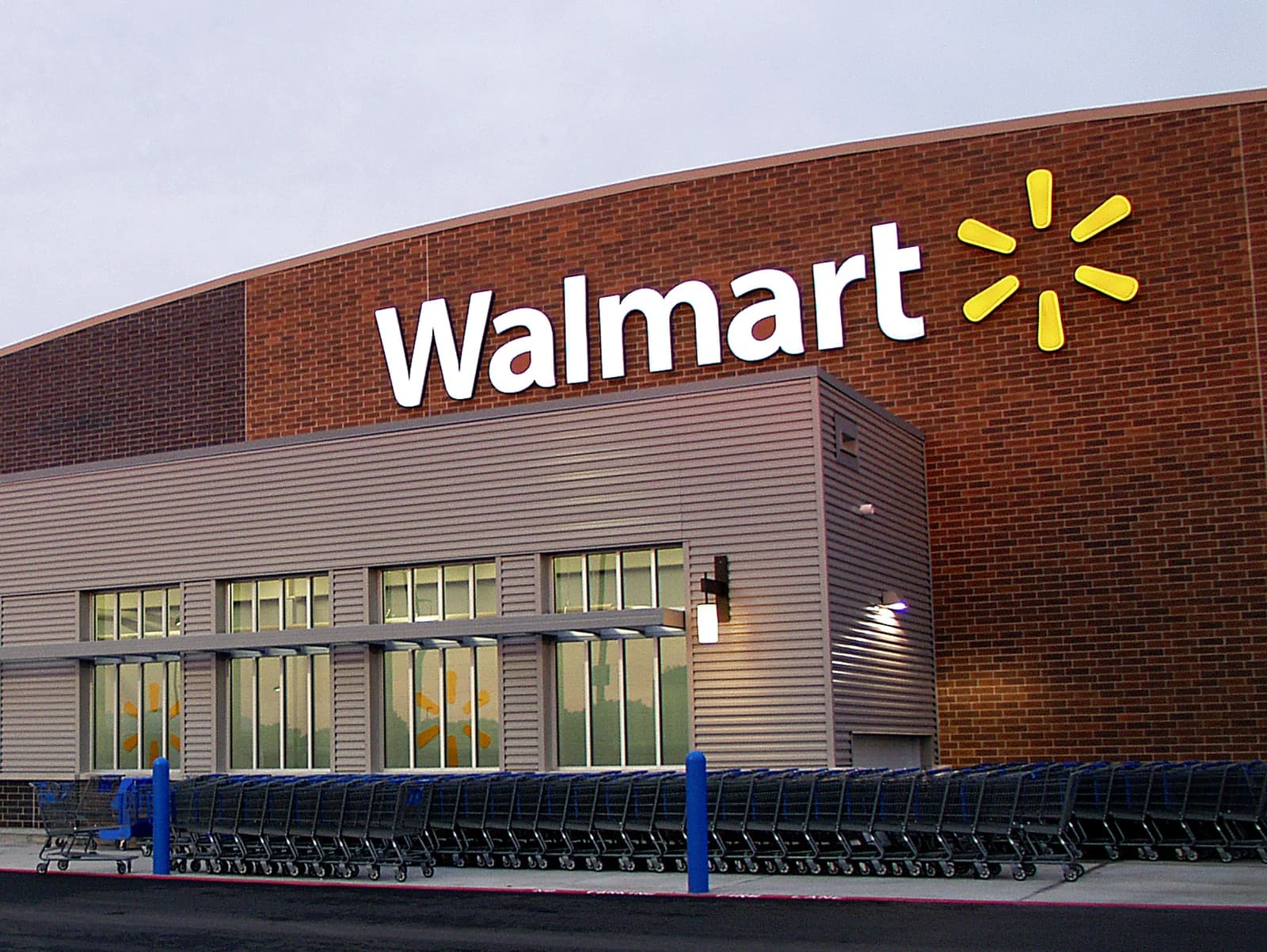
Walmart is still finding room to keep grocery prices relatively subdued even as overall inflation remains sticky, and that is exactly why investors should pay attention.
Walmart Keeps Grocery Prices Relatively Subdued
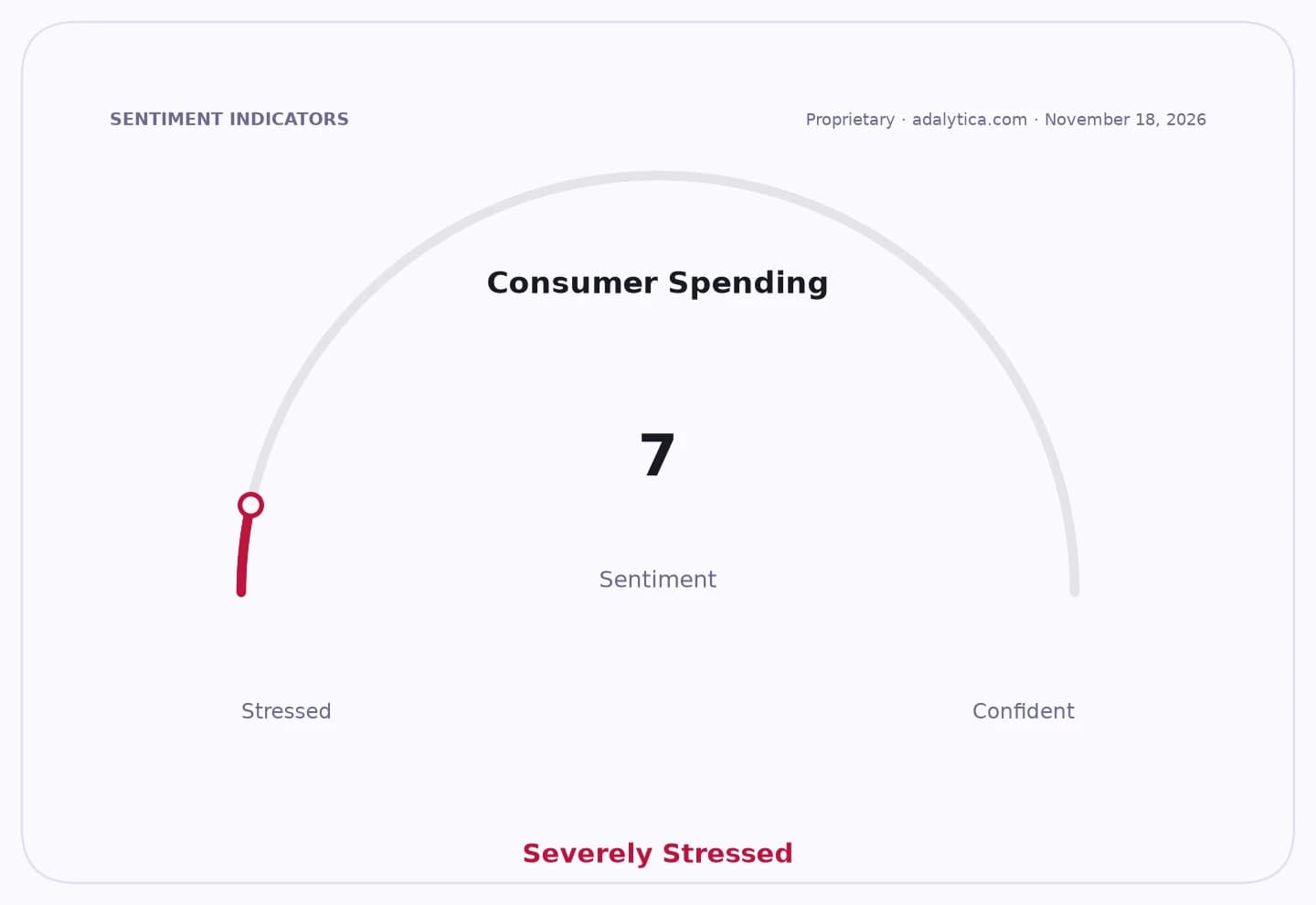
Consumer Spending
For shoppers, the message is simple: the nation’s biggest grocer is continuing to lean on scale and supply-chain muscle to protect its value reputation. For the economy, it matters because Walmart sits at the front line of consumer spending, especially for households feeling squeezed by food costs. If the country’s largest retailer can keep a lid on grocery inflation, it can take some pressure off family budgets even while broader prices keep grinding higher.
Sentiment Indicators
That broader backdrop is hardly benign. The consumer price index has climbed to 337.476 from 333.979 in May, while the core measure that strips out food and energy rose to 655.299 from 648.652 over the same span. Producer prices have also moved higher, with the all-commodities index at 293.921 in October, up from 290.281 in May. In other words, Walmart is not operating in a low-inflation world. It is trying to hold down one of the most politically and economically sensitive parts of the shopping basket while cost pressures remain alive in the pipeline.
That is why the stock action matters too. Walmart shares have rallied back to about $127.95, well above the 200-day moving average of roughly $118.68, after a sharp summer pullback. The 50-day moving average has turned higher as well, while the RSI sits near 50, suggesting the stock has cooled off from overbought levels without breaking its long-term uptrend. Investors seem to be betting that Walmart’s grocery business can keep doing what it has long done best: win market share in weak consumer environments.
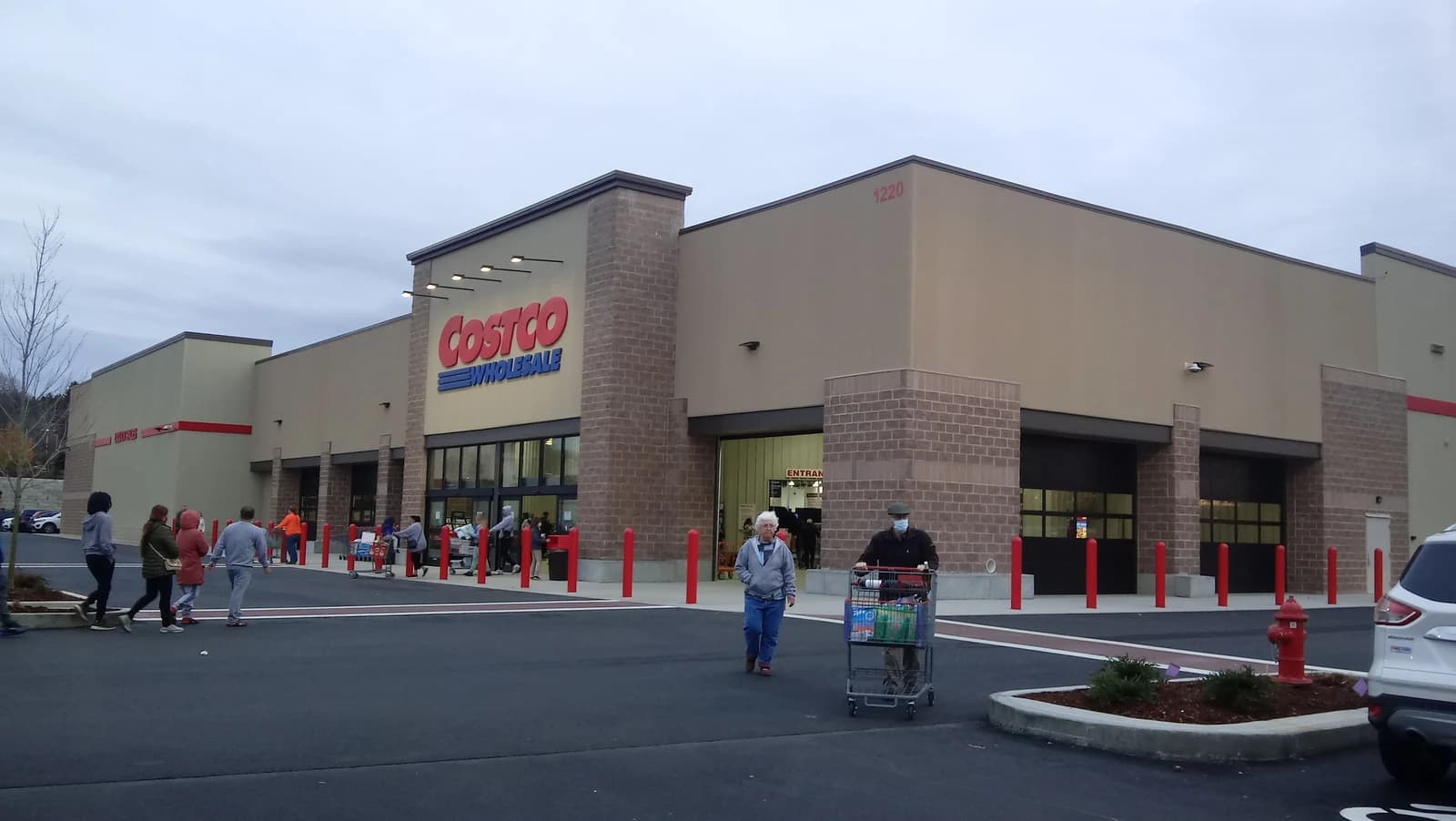
Target’s recent move tells a different story. Shares have climbed to about $165.83, but the company remains more exposed to discretionary spending and less directly tied to the everyday grocery traffic that makes Walmart such a steady defensive holding. Costco, another retail bellwether, has held up too, but Walmart’s edge is that it reaches far deeper into the income spectrum, where inflation pain is felt first and most acutely.
Adalytica’s consumer spending sentiment gauge underscores that tension. Its reading is in “Fear” at 18, even after a one-day bounce, which suggests households are still uneasy about the cost of living. That generally favors the cheapest, most trusted retailers. In that kind of environment, Walmart’s grocery message is more than a pricing update — it is a reminder that value retail can still thrive when consumers trade down and stretch every dollar.
The long-term takeaway for investors is straightforward. Grocery is not the flashiest part of the retail sector, but it is one of the most durable. If Walmart can keep price increases restrained while volumes stay resilient, it reinforces the company’s moat and supports steady cash generation over years, not quarters. For patient investors, that is the sort of operating discipline worth owning through inflation cycles. It belongs on the watchlist, and for long-term portfolios, it remains a classic buy-and-hold name.
| Entity | Gains | Losses |
|---|---|---|
| Walmart | ▲Value reputation | ▼Margin pressure |
| Budget-conscious shoppers | ▲Lower grocery bills | ▼Less relief from inflation |
| Target | ▲Some retail traffic | ▼Weaker grocery edge |
| Costco | ▲Defensive retail demand | ▼Price-comparison pressure |