Sam’s Club just made its premium membership harder to ignore by folding Walmart+ into the $120-a-year Plus plan at no extra charge, a move that could deepen loyalty in a consumer environment where households are still hunting for everyday savings.
Walmart Sam's Club Plus adds Walmart+ benefits

For investors, this is less about a flashy perk than about the economics of membership retail. Warehouse clubs and mass merchants win when they become part of a shopper’s routine, and the easier it is to stack benefits across groceries, gas, shipping and pharmacy, the stickier that relationship becomes. That matters because membership fees are high-margin revenue, and recurring renewals are what turn a store visit into a long-duration cash flow stream.
Sentiment Indicators

The new bundle starts Oct. 20 and gives Sam’s Club Plus members access to Walmart+ benefits including gas discounts, free shipping on eligible orders, streaming access through Peacock or Paramount+, prescription delivery and other services. Walmart says shoppers who already pay for both memberships can save $98 a year by linking their accounts. For existing Walmart+ subscribers, upgrading to the combined offering costs an extra $22 a year, while standard Sam’s Club memberships remain unchanged at $60 and do not include Walmart+.
That price framing is important. Walmart is effectively telling consumers that its premium ecosystem is now more integrated and more valuable than two separate subscriptions. In a market where shoppers are increasingly selective about which memberships deserve a place in the household budget, packaging two familiar brands into one deal can make the premium tier easier to justify. It also gives Walmart more opportunities to pull customers into its digital channels, delivery network and pharmacy services, all of which can support both spending frequency and margin resilience over time.
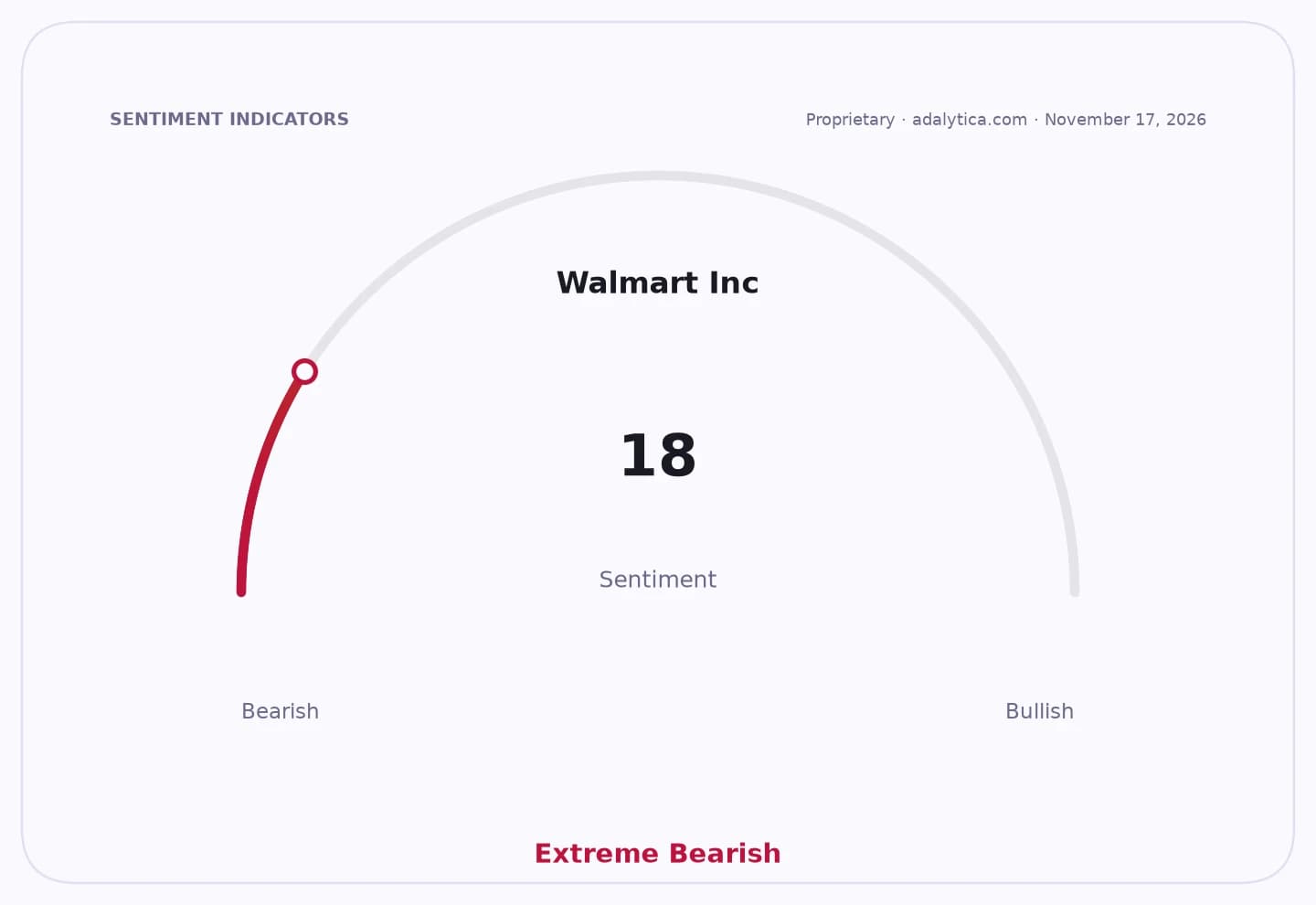
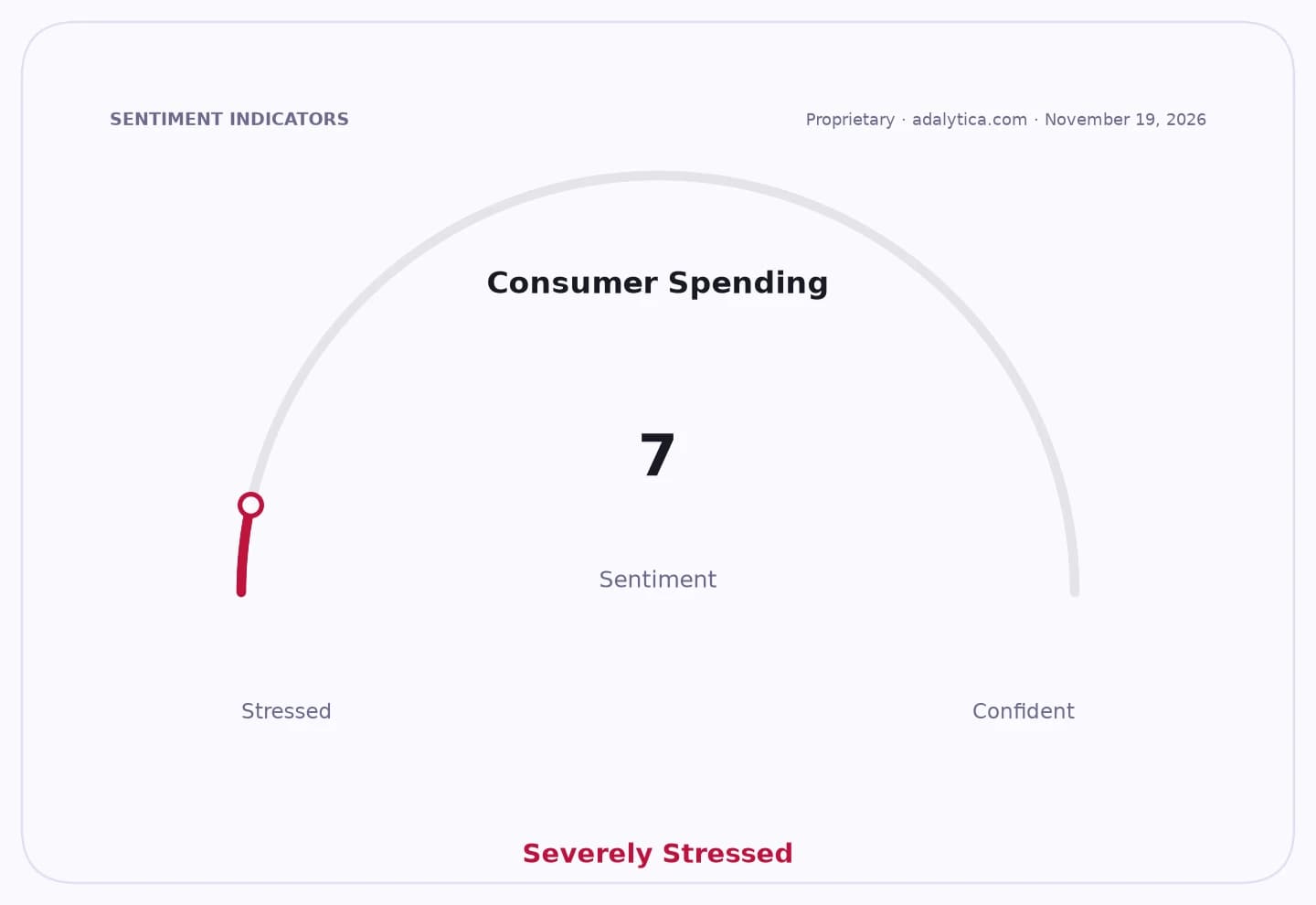
The timing fits a broader backdrop of cautious consumers. Adalytica’s consumer spending sentiment gauge is in fear territory, which helps explain why membership-based retailers continue to lean on perceived savings, convenience and extras to defend share. Technical indicators on Walmart’s stock also suggest investors have been working through a volatile stretch, with the shares still far above their 200-day moving average but with momentum cooling from earlier highs. Costco, another membership heavyweight, remains a formidable competitor, and its stock has also stayed strong, underscoring how much investors continue to prize recurring-fee retail models.
For Walmart, the strategic message is bigger than one promotion. The company is trying to make its ecosystem feel indispensable, not merely cheap. If the bundle lifts renewals, improves cross-shopping and keeps customers inside Walmart’s retail and digital orbit, the economics can compound for years. If you own the stock for the long term, this is the kind of move worth watching: not because it will transform earnings overnight, but because membership retail is built one loyal household at a time.
| Entity | Gains | Losses |
|---|---|---|
| Walmart/Sam’s Club | ▲Higher loyalty and renewals | ▼More bundle complexity |
| Plus members | ▲More perks for same fee | ▼Less flexibility in standalone plans |
| Walmart+ standalone users | ▲Access to broader benefits | ▼Higher upgrade cost |
| Costco and rivals | ▲None materially | ▼Harder competition for premium members |