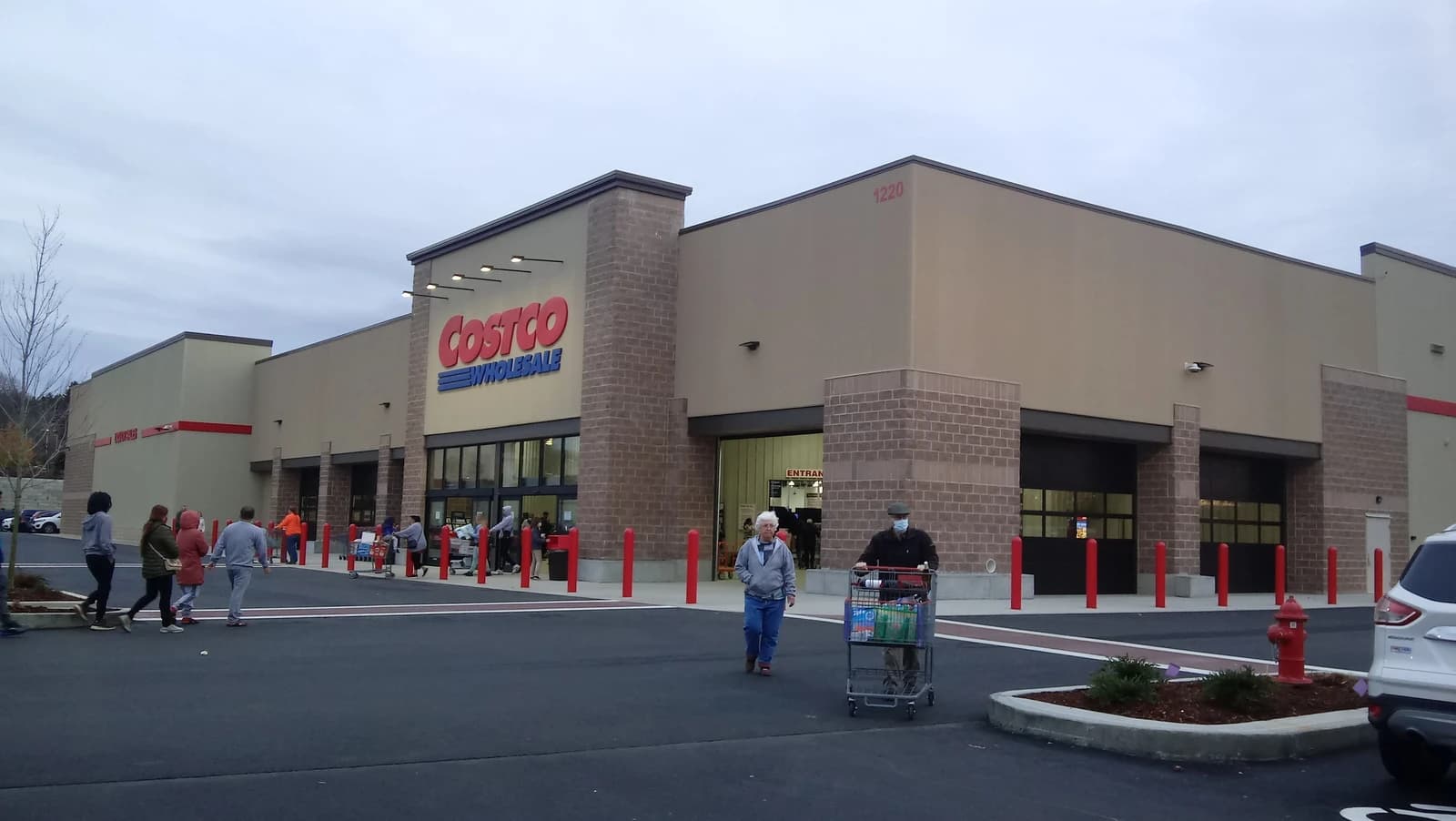
Costco’s move to sell luxury SoHo dark chocolate truffles for the holiday season shows how aggressively warehouse clubs are trading up their assortments to capture affluent shoppers without giving up value pricing.
Costco Adds SoHo Dark Chocolate Truffles
That matters because the battleground in U.S. retail is no longer just about staple goods and bulk paper towels. It is about who can own holiday spending, premium gifting and “affordable indulgence” when consumers are still willing to pay for treats, but only if the price feels rational. Costco has built its brand on that equation, and adding a luxury chocolatier to the mix is a clean example of how the chain monetizes members’ desire to splurge while keeping the tab below what a specialty store would charge.
For investors, the signal is bigger than one confectionery item. Costco’s ability to pull upscale brands into the warehouse validates a premiumization strategy that supports traffic, basket size and membership loyalty. The stock has already been bid up sharply, with shares closing at $959.44 on Oct. 12, well above both the 50-day moving average of about $931.58 and the 200-day average of about $962.11, while the RSI reading of 78.1 suggests momentum has run hot. That kind of price action tells you the market is already paying for consistency and defensive growth — but it still leaves room for selective upside if Costco keeps proving it can win both value shoppers and luxury buyers.
The economics are straightforward. High-end truffles sold through a mass channel can lift gross profit dollars without requiring Costco to abandon its low-markup image, especially during the holiday quarter when confectionery and gifting categories see outsized demand. It also reinforces the warehouse club model at a time when competitors are chasing the same customer with private label, specialty drops and seasonal exclusives. In other words, Costco is not just moving chocolate. It is using distribution scale as a toll road for premium goods.
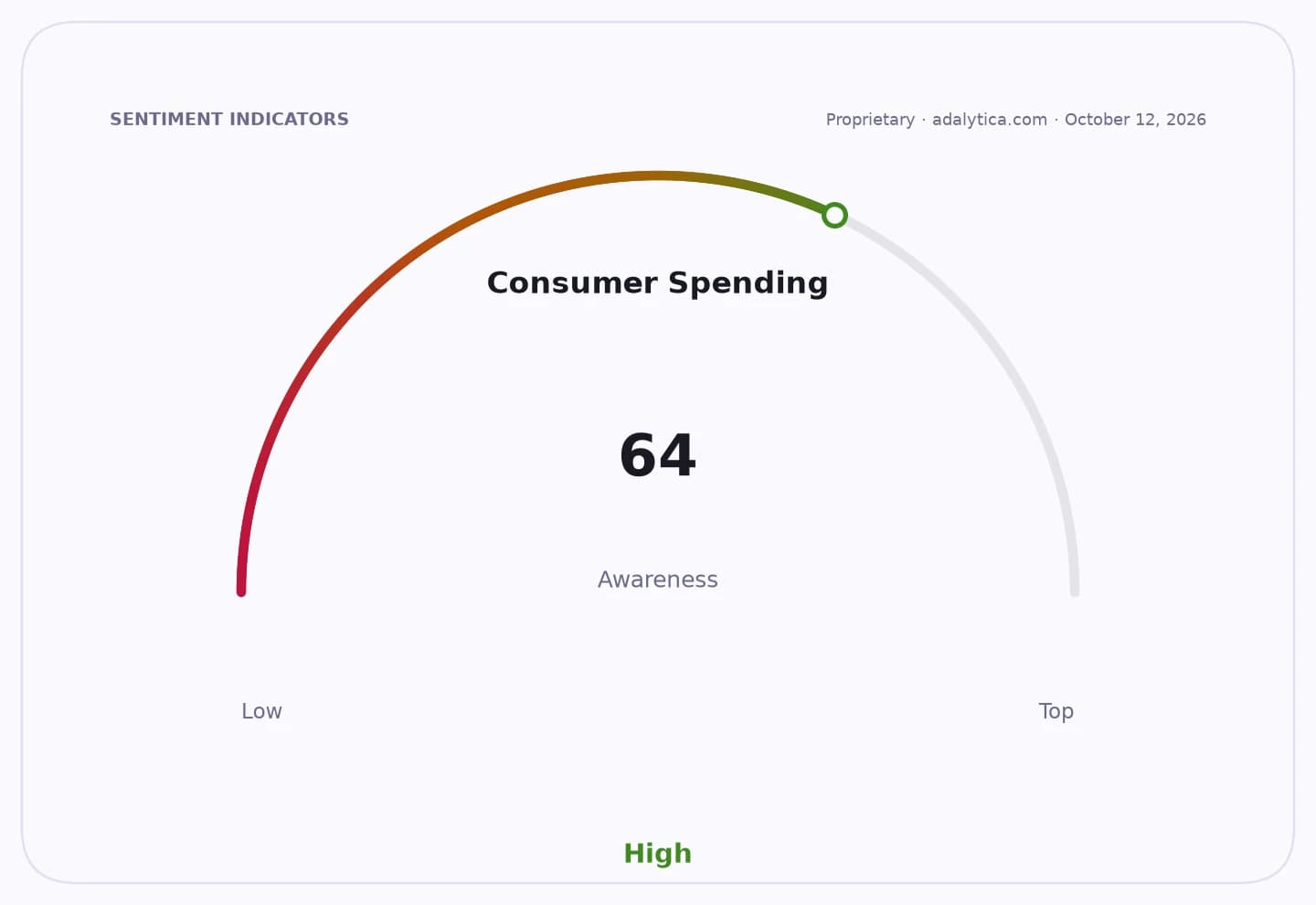
That is why the opportunity here extends beyond COST itself. Brands that can fit inside Costco’s volume engine gain instant reach and credibility, while weaker players risk being squeezed out of the premium snack aisle. The broader consumer story is that households are still selective, not absent. They are willing to spend on small luxuries, and retailers that can package aspiration with value are likely to outperform into the holidays.
The next catalyst is simple: if Costco continues to use limited-time seasonal items to drive traffic and member engagement, the market will keep rewarding the company’s mix of resilience and growth. For investors, the thesis remains clear — Costco is one of the best ways to own premium consumption in a cautious consumer economy, and the holiday truffle launch is another reminder why.
| Entity | Gains | Losses |
|---|---|---|
| Costco | ▲Higher basket size | ▼None meaningfully |
| SoHo chocolatier | ▲Mass-market exposure | ▼Exclusivity |
| Specialty chocolate retailers | ▲None | ▼Share of premium gifting |
| Dollar-minded shoppers | ▲Holiday value choice | ▼Niche luxury pricing |