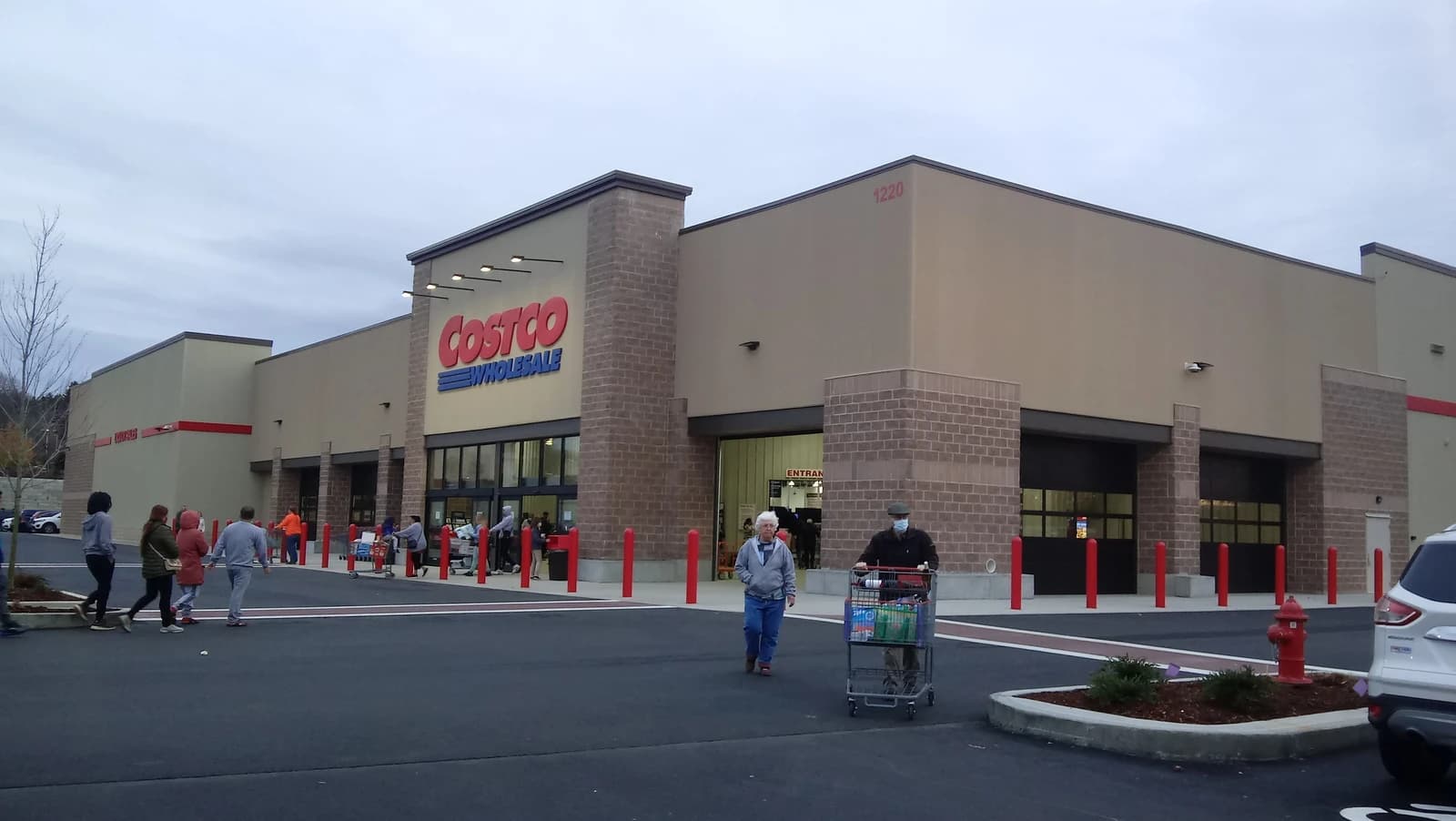
Costco will shut all of its U.S. warehouses on Thanksgiving, a reminder that the retailer’s biggest competitive advantage is built as much on employee loyalty as on traffic and basket size.
Costco to close U.S. warehouses on Thanksgiving
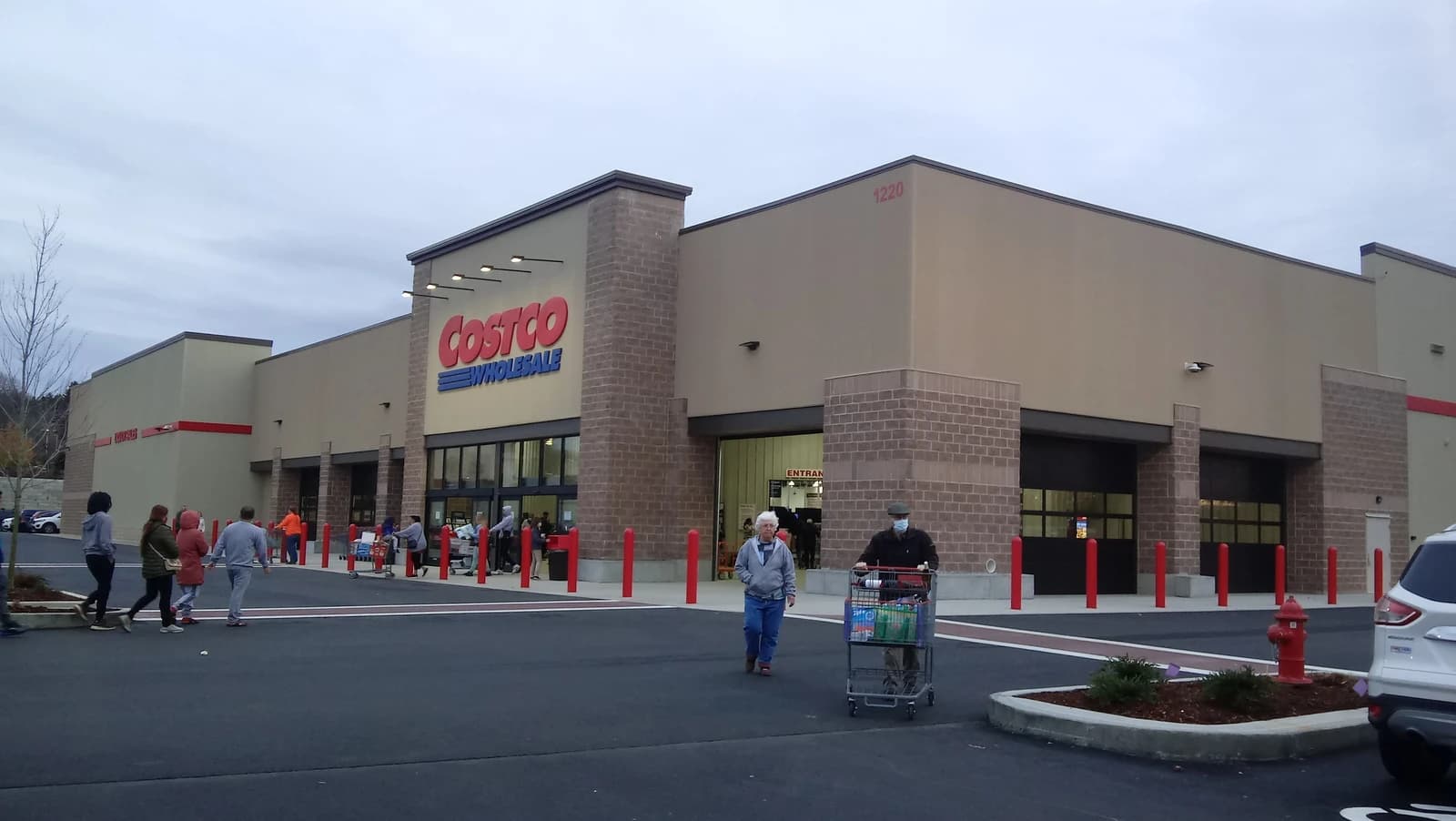
The closure, which affects every U.S. warehouse on Nov. 26, is economically modest in the short run but strategically important. Holiday trading is one of the most lucrative periods for big-box retailers, yet Costco is once again choosing to forgo a day of sales in favor of a policy that reinforces its brand with workers and members alike. In a sector where extended hours and holiday openings are often used to squeeze out incremental revenue, Costco’s decision underscores a different model: protect labor relations, preserve service quality and accept the opportunity cost.
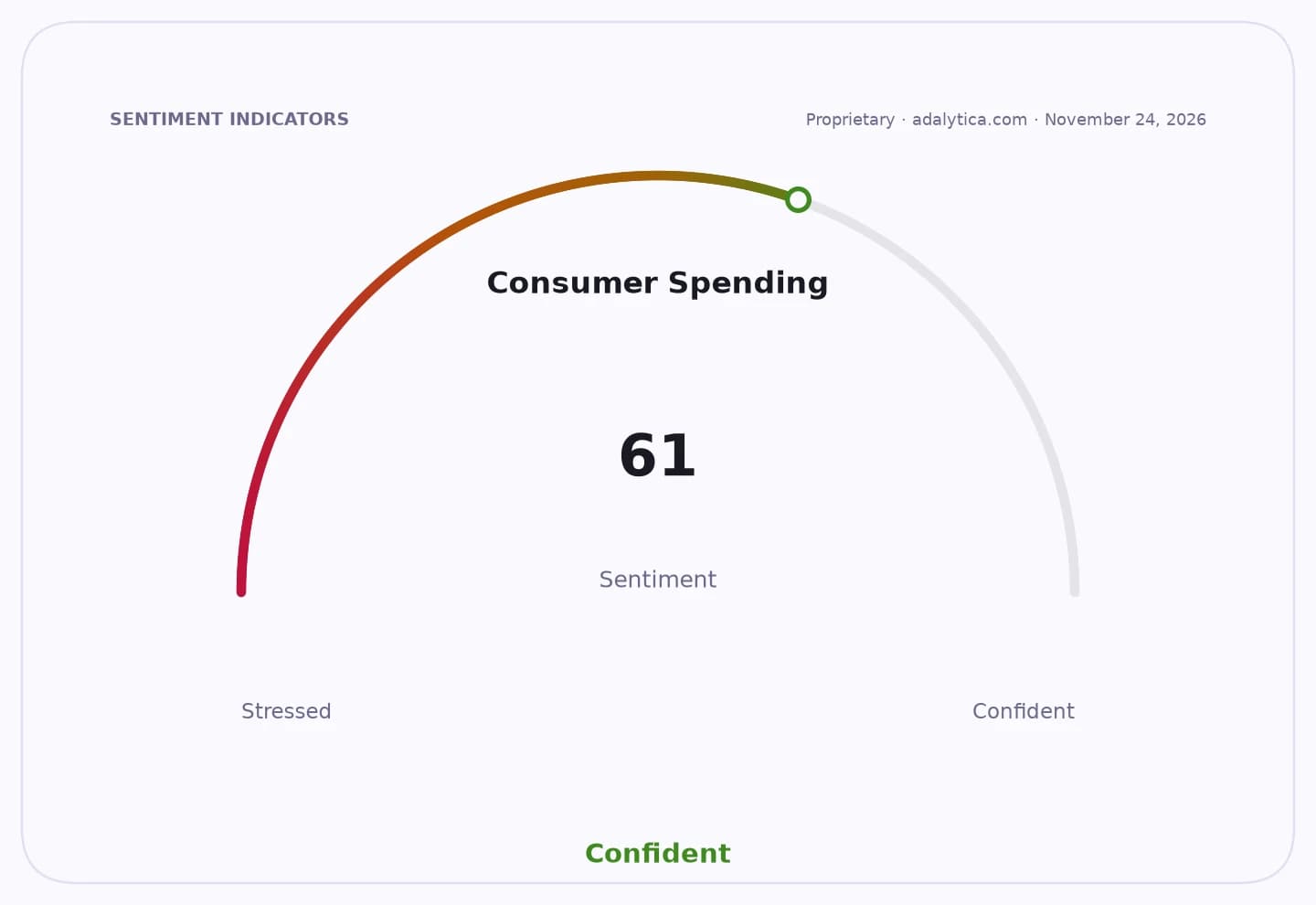
Sentiment Indicators
That approach matters because Costco’s business relies on high trust and high throughput. The company has long differentiated itself with limited holiday openings, closing U.S. locations on seven days each year — New Year’s Day, Easter Sunday, Memorial Day, Independence Day, Labor Day, Thanksgiving and Christmas. The policy is unusual in U.S. retail, where many chains stay open on major holidays to chase last-minute spending. Walmart and Target also close on Thanksgiving, but Costco’s broader holiday shutdown schedule is part of a longer-standing strategy that has helped keep turnover low and execution tight in a membership-based model where labor quality directly affects renewal rates and customer experience.
The near-term financial impact should be limited. Costco’s Thanksgiving closure removes a single day of warehouse sales, but the company is offsetting that with holiday promotions running through Nov. 30. More importantly, the closure comes amid a period of elevated investor attention on retail traffic and consumer spending into Black Friday, when large chains use opening hours and discounts to gauge demand heading into year-end. That makes Costco’s move less about lost revenue than about reinforcing a premium operating culture that supports its long-term economics.
For investors, the signal is that Costco is still willing to sacrifice some short-run sales for a durable operating advantage. The stock has been trading well above its 200-day moving average and remains technically strong, with recent closes keeping it above both its 50-day and 200-day averages. That reflects confidence that the warehouse club can sustain margins and membership growth even while making employee-friendly choices that some competitors might view as costly. The broader retail backdrop is also uneven: consumer spending sentiment tracked by Adalytica has improved sharply from recent lows, but the mood remains fragile, and holiday spending will be closely watched for signs of how much pricing power retailers still have.
The bull case is that Costco’s discipline is exactly why it continues to command loyalty, traffic and valuation support. The bear case is more practical: every closed hour forfeits sales, and in a holiday season that can swing investor sentiment, even a symbolic shutdown can be read as a sign of restraint in a competitive market. But the bigger narrative is unchanged. Costco is signaling that it would rather protect the operating model that made it a retail winner than maximize every holiday transaction.
| Entity | Gains | Losses |
|---|---|---|
| Costco employees | ▲Holiday time off | ▼Missed holiday shifts |
| Costco | ▲Worker loyalty, brand equity | ▼One day of U.S. warehouse sales |
| Shoppers needing last-minute items | ▲Clear advance notice | ▼Thanksgiving convenience |
| Rival retailers staying open | ▲Potential traffic gains | ▼Comparison with Costco’s loyalty model |