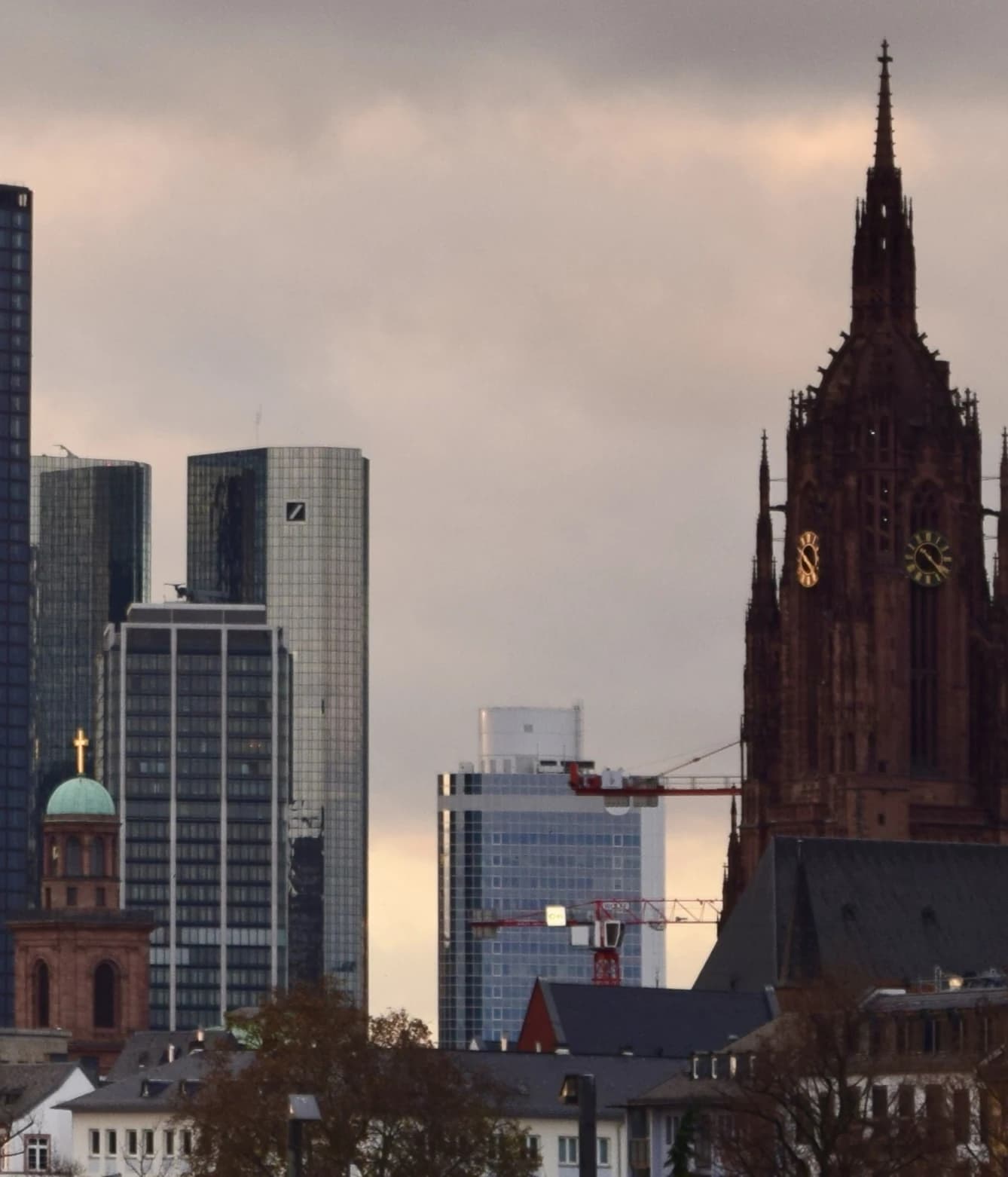
EU bank regulators are about to redraw how foreign lenders serve corporate clients, and the biggest winners look likely to be onshore banking hubs such as Germany rather than London. The rollout of CRD6 from January will make it far harder for banks headquartered outside the bloc to directly book core EU lending from third-country branches, forcing lenders with European ambitions to shift more corporate credit, guarantees and related financing into EU-licensed entities.
CRD6 shifts EU corporate lending to German hubs
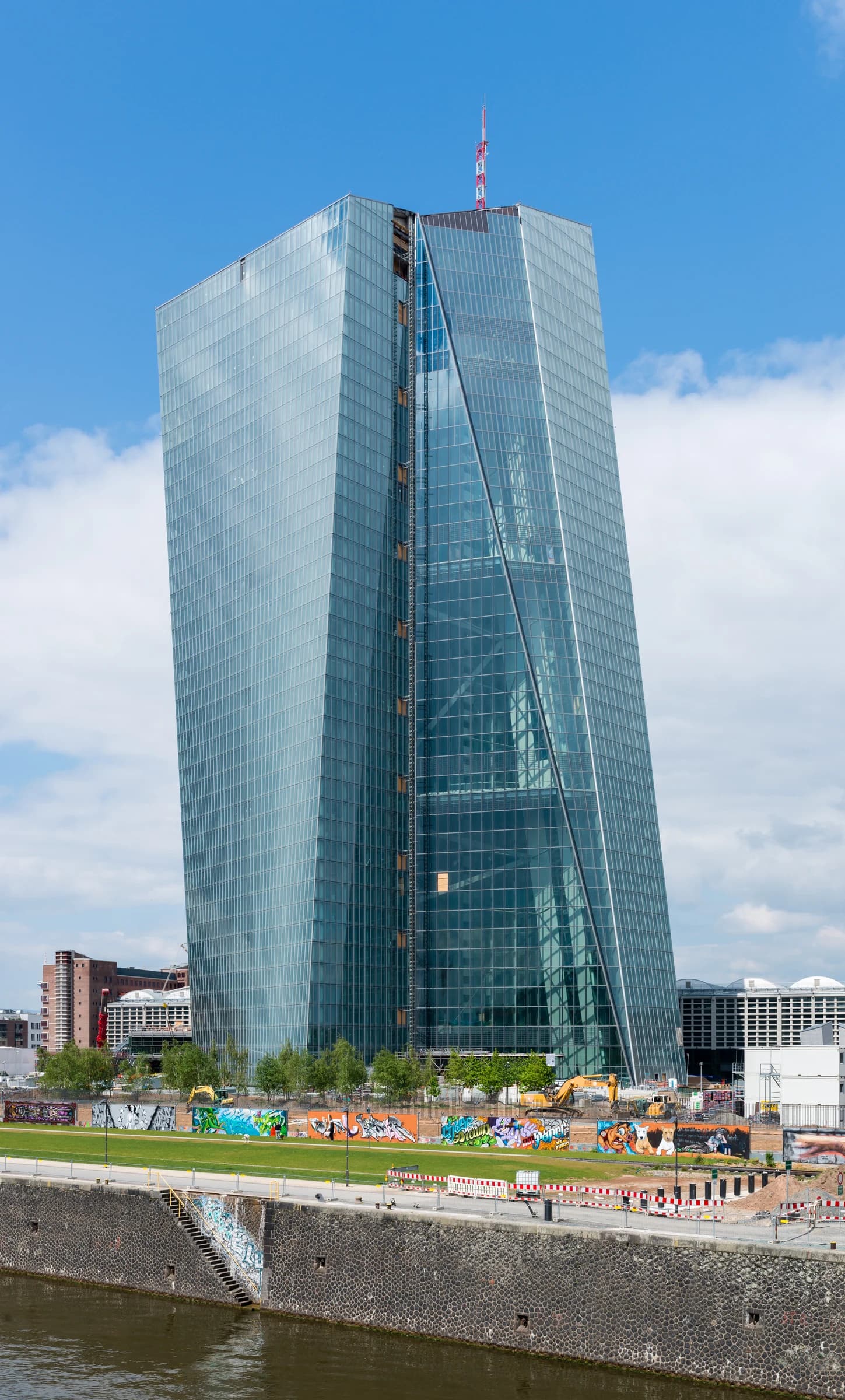
That matters because the rule change goes to the heart of where profit pools in European banking will sit. For years, international lenders could service companies across the bloc from places such as London. Under CRD6, that model will be sharply constrained unless the bank uses an EU-authorized branch or subsidiary. For corporates, that means loans to an Italian, German or French company will increasingly need to be booked through a licensed EU vehicle. For banks, it means capital, staff and product capabilities will migrate toward the continent, while London is pushed more toward UK and non-EU business, capital markets and syndication.
Sentiment IndicatorsⓘProprietary · adalytica.com · October 6, 2026
This is a snapshot — live sentiment, awareness and momentum for 130+ markets update continuously in the dashboard.Open AlphaPulse
The clearest implications are showing up among Asian lenders with large European footprints. South Korean banks have already started carving up their European businesses, with Germany set to absorb more EU corporate credit while London focuses on Britain, the wider non-EU market and investment-banking services. Hana Bank said its German subsidiary expects to book a rising share of new EU lending after CRD6 takes effect, and is preparing for more corporate lending, additional capital and staff if demand rises. Woori Bank is making a similar shift, assigning EU clients to its German subsidiary and non-EU clients to its London branch.
That reallocation is economically important because it should deepen the role of EU balance sheets in cross-border credit at a time when banks are still cautious about capital efficiency. CRD6 does not just change paperwork; it changes where loan risk sits, where regulators supervise it and where profits can be recognized. For banks with scarce capital, that can alter the economics of serving multinational clients. It also raises the value of EU passports, especially for subsidiaries that can open branches elsewhere in the bloc or provide services across borders more freely than a third-country branch.
London, meanwhile, is not disappearing from the picture, but its role is narrowing. British exit from the EU already changed the city’s legal status, and CRD6 adds another layer of friction for EU corporate lending. That should help explain why banks are leaning harder into structured finance, swaps, syndication and trading businesses in London rather than plain-vanilla EU corporate loans. Woori recently said its London branch and trading center arranged a 70 million-pound loan and interest-rate swap for a local company, underscoring the pivot toward products that can still be run efficiently from the UK.
Investors should care because this is a slow-moving but durable profit reallocation across the banking map of Europe. Germany stands to gain relative scale, fee income and lending volumes if foreign banks channel more business through local subsidiaries. London’s share of European corporate banking could shrink at the margin. For publicly traded lenders such as Deutsche Bank and HSBC, the broader message is that European regulatory fragmentation remains a strategic advantage for banks with the right licenses and a drag on those without them.
The shares are already reflecting a more turbulent backdrop for large international banks. Deutsche Bank stock has been under pressure in recent sessions, while HSBC has also pulled back from earlier highs, even as both remain well above long-term technical support measured by the 200-day moving average. The price action does not change the CRD6 story, but it does suggest investors are watching execution closely as banks reposition capital and revenue streams. For long-term holders, the key question is not whether the rule changes the next quarter, but which banks can turn regulatory complexity into a durable franchise advantage over the next five years.
The bottom line: CRD6 is forcing a structural shift in European corporate lending, and that is likely to favor EU-licensed subsidiaries in Germany over London branches serving the bloc. Investors should watch which banks can convert that shift into higher-quality loan growth, stronger fee income and better capital efficiency. For now, this looks like a story worth adding to the watchlist, not just for traders, but for patient investors thinking in years.
| Entity | Gains | Losses |
|---|---|---|
| German bank subsidiaries | ▲More EU lending, higher franchise value | ▼More capital and staffing needs |
| London branches | ▲Non-EU and capital markets focus | ▼Direct EU corporate loan business |
| EU corporate borrowers | ▲Clearer onshore access to lenders | ▼Less flexibility in booking loans |
| Third-country banks without EU licenses | ▲Limited regulatory burden from direct EU lending | ▼Loss of cross-border lending access |