Deferring credit card purchases can smooth a large expense over several months, but in a high-rate environment it more often becomes a way to borrow against future income at a steep cost.
Credit Card Deferral Costs Rise in High Rates
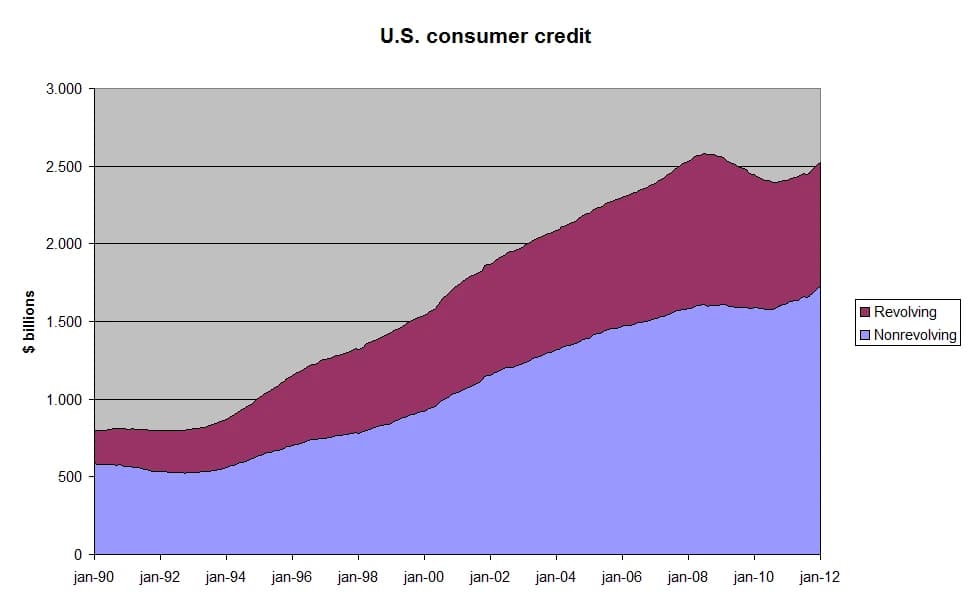
That is the practical warning from lenders and credit bureau Equifax, which say consumers should treat a card as financing, not as an extension of salary, and should only defer purchases that fit within next month’s budget. The guidance matters because households are still carrying elevated debt burdens while benchmark borrowing costs remain far above the ultra-low levels that once made installment financing look benign.
Sentiment IndicatorsⓘProprietary · adalytica.com · September 5, 2026
This is a snapshot — live sentiment, awareness and momentum for 130+ markets update continuously in the dashboard.Open AlphaPulse
The difference between paying current and deferring is not just timing. Banco Guayaquil says current purchases are due on the next statement and can avoid interest if paid in full, while deferred purchases are split into instalments and, in most cases, accrue interest. Banco Bolivariano warns that longer tenors raise the total finance charge, meaning the monthly payment can look manageable even as the final bill rises materially.
That distinction has become more important as US policy rates, while off their peak, are still around 3.63%, with unemployment near 4.1% and consumer prices still roughly 40% above their 2026 base reading in the supplied data context. Even if a cardholder’s monthly payment appears affordable, the true economic cost of stretching a purchase over six, 12 or more months can be substantial when interest compounds and wages are already committed to rent, food and other essentials.
The advice from Equifax and the banks is therefore less about convenience than balance-sheet management. Goods with a long useful life, such as appliances or furniture, may justify a deferred plan if the instalments align with cash flow. Fast-moving spending, such as groceries and other everyday items, does not. In other words, the financing term should roughly match the life of the asset; otherwise consumers are still paying for something long after the benefit has been consumed.
That framework also explains why debt stacking is the central risk. Every new deferred purchase adds to existing obligations and narrows disposable income for future bills. For consumers already relying on multiple card balances, the hazard is not just higher interest expense but a growing chance of missing payments, which can quickly trigger late fees, penalty rates and deterioration in credit quality.
For lenders, the story cuts both ways. Deferred plans can support spending and keep card usage high, but they also increase revolving balances and raise credit risk if households misjudge their repayment capacity. Recent bank disclosures from issuers including Capital One and American Express show why investors are watching delinquency and charge-off trends closely: the industry can earn more from interest and fees only as long as borrower stress stays contained.
For investors, the key question is whether consumer borrowing remains disciplined or turns into a cycle of refinancing daily life. A modest rise in deferred balances can help card revenues; an uncontrolled rise in household leverage typically shows up later in higher provisions, weaker credit performance and pressure on card valuations. The safest rule for consumers is the same one lenders are now emphasizing: defer only what you can afford, for only as long as the asset lasts, and always compare the full cost with paying current.
| Entity | Gains | Losses |
|---|---|---|
| Consumers with large durable-goods purchases | ▲Budget flexibility | ▼Higher total interest |
| Card issuers | ▲Interest income | ▼Higher delinquency risk |
| Households already highly indebted | ▲Short-term liquidity | ▼Future disposable income |
| Everyday-spending users | ▲Little benefit | ▼Debt buildup |